Cane Corso
AKC & CKC Working Group

Is This the Right Breed for You?
✔ Excellent Match For
- Experienced dog owners who want a loyal, natural guardian
- Those who can provide firm, consistent leadership and training
- Families seeking a protective companion with proper socialization
• Natural protectors: Instinctively guard family and territory without excessive aggression.
• Low grooming needs: Short coat requires minimal maintenance.
• Moderate exercise requirements: Content with regular walks and playtime.
✖ Consider Carefully If
- You're a first-time dog owner (requires experienced handling)
- You cannot commit to extensive early socialization and training
- You live in breed-restricted housing or areas
• Strong-willed nature: Requires confident, consistent leadership.
• Potential aggression: Without proper training, can be dog-aggressive or wary of strangers.
• Health concerns: Prone to hip dysplasia, eyelid issues, and bloat.
Owner Suitability
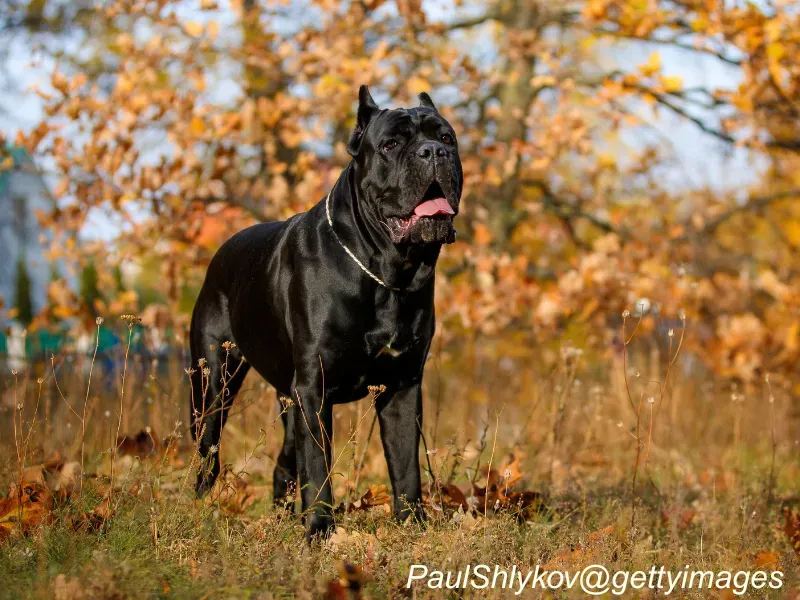
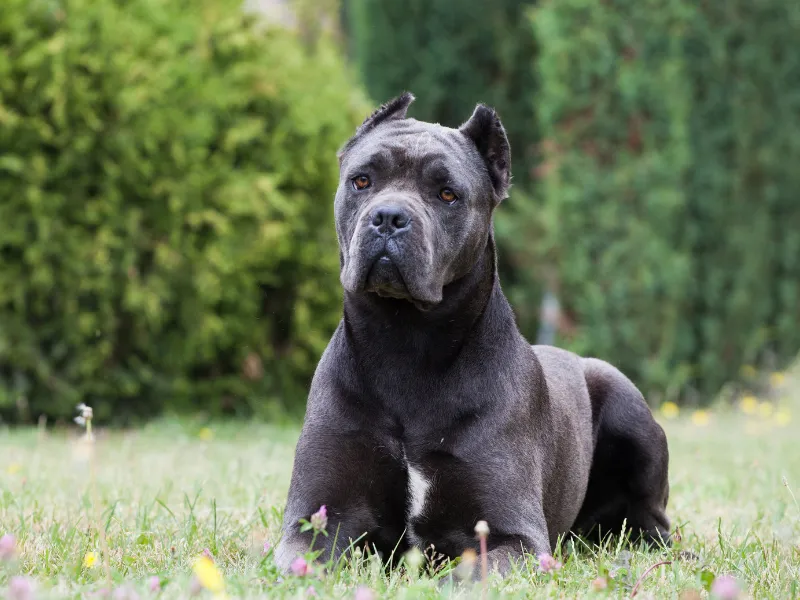
C Cane Corsos are powerful guardians requiring experienced, confident owners who establish clear leadership from the start. Extensive early socialization is critical to prevent them from becoming overly protective or reactive due to their natural guarding instincts. With proper training, they're loyal, affectionate family dogs who are gentle with loved ones. Their imposing appearance invites breed discrimination, so be prepared for public scrutiny.Stats:
- Height: 24-28 inches
- Weight: 80-110 pounds
- Coat: Short, stiff, glossy with dense undercoat
- Colors: Black, gray, fawn, red, or brindle; may have black/gray mask
- Lifespan: 9-12 years
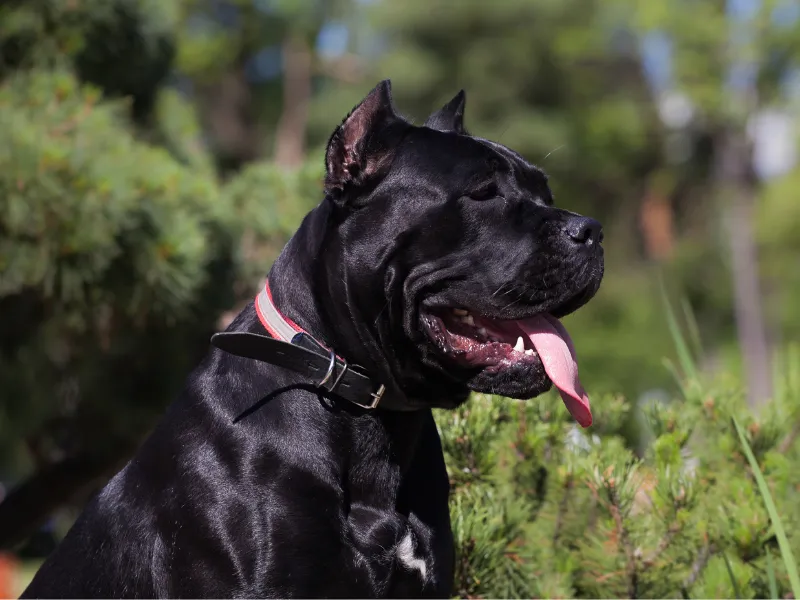
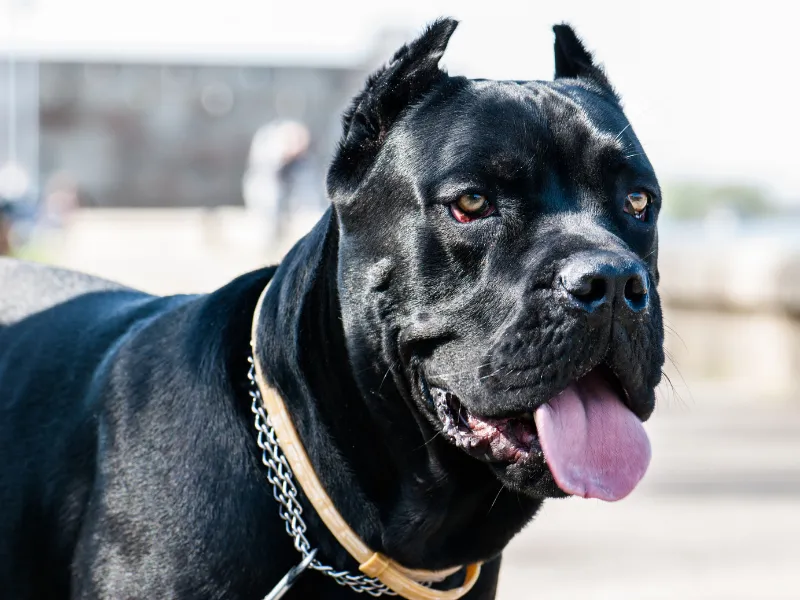
Cane Corsos are an intimidating looking breed. They make excellent guard dogs, but early socialization & training are imperative.
Origin & History
The Cane Corso is an ancient Italian breed descended from Roman war dogs, specifically the "Canis Pugnax" used in battle. The name "Cane Corso" comes from the Latin "Cohors" meaning "protector" or "guardian." After the Roman Empire fell, these dogs transitioned to farm work, guarding property, and hunting wild boar throughout rural Italy.
By the mid-20th century, the breed nearly became extinct but was revived by dedicated Italian breeders in the 1970s. The Cane Corso was recognized by the FCI in 1996 and the AKC in 2010. Today, they serve as loyal family guardians, police/military dogs, and protectors of livestock and property while maintaining their noble, athletic appearance.
This majestic breed represents centuries of Italian heritage, combining imposing physical presence with keen intelligence and deep loyalty to their families.
| Traits: | 1 | 2 | 3 | 4 | 5 |
|---|---|---|---|---|---|
| Energy: Moderate to high; needs regular vigorous exercise | ✓ | ||||
| Easy To Train: Intelligent but strong-willed; needs consistent training | ✓ | ||||
| Shedding: Low-moderate; short, smooth coat releases minimal fur. | ✓ | ||||
| Grooming: Low maintenance; weekly brushing and occasional baths | ✓ | ||||
| Family Dog: Devoted to family; excellent with children when socialized | ✓ | ||||
| Watchdog: Exceptional natural guardian; highly protective | ✓ | ||||
| Beginner Friendly: Not recommended for first-time owners | ✓ | ||||
| Prey Drive: Moderate to high; bred as hunting dogs | ✓ | ||||
| Barking: Moderate; typically only when necessary | ✓ | ||||
| Good with other dogs: Good if properly socialized; dominant nature may lead to aggression with unfamiliar dogs. | ✓ |
Health Concerns:
- Hip Dysplasia: Common in large breeds
- Elbow Dysplasia: Joint development abnormality
- Bloat (GDV): Life-threatening emergency
- Demodectic Mange: Skin condition caused by mites
- Eyelid Abnormalities: Entropion/ectropion
- Heart Conditions: Including dilated cardiomyopathy
- Epilepsy: Seizure disorder
Please check the Canine Health Information Center (CHIC) and parent breed clubs for health information.
Glossary of general canine health conditions.