Airedale Terrier
The King of Terriers
AKC & CKC Terrier Group


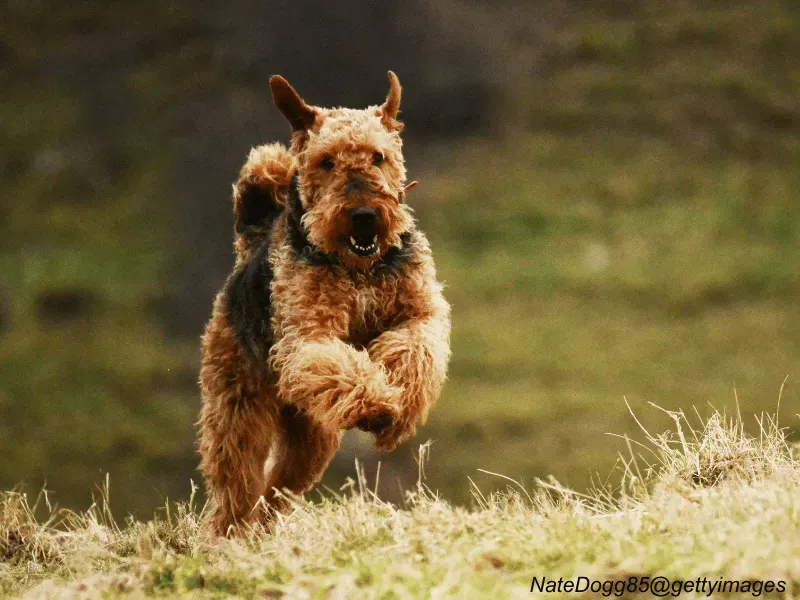

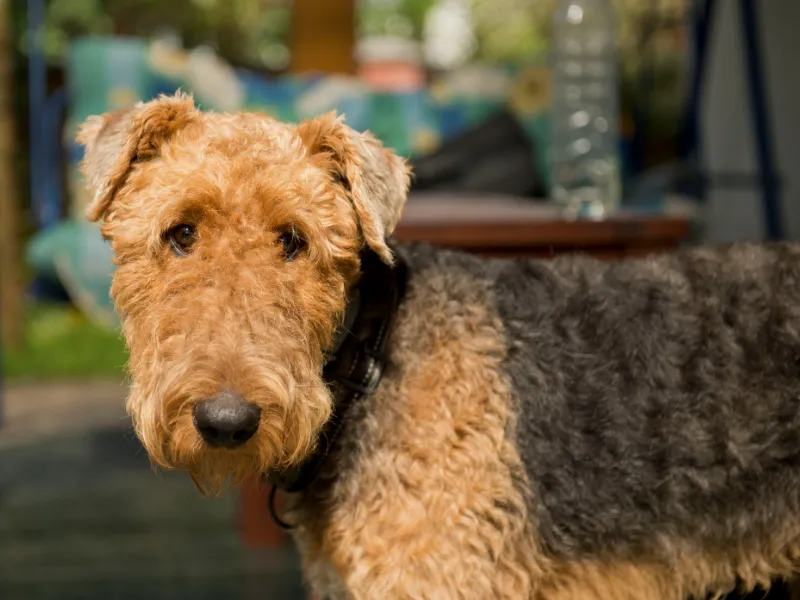
Is This the Right Breed for You?
✔ Excellent Match For
- Active individuals or families who enjoy outdoor activities
- Experienced owners who appreciate intelligent, independent breeds
- People who want a loyal watchdog with a dignified presence
• Highly versatile: Excel in obedience, agility, tracking, and water sports.
• Intelligent and trainable: Quick learners with positive methods.
• Low-shedding coat: Hypoallergenic qualities for allergy-sensitive households.
✖ Consider Carefully If
- You prefer a laid-back, low-energy companion
- You're a first-time dog owner (needs experienced handling)
- You have limited time for grooming and exercise
• High exercise needs: Requires 60+ minutes of vigorous activity daily.
• Strong-willed nature: Needs consistent, firm but positive training.
• Regular grooming: Professional stripping/clipping every 6-8 weeks.
Owner Suitability
The Airedale is the largest terrier, combining intelligence, versatility, and terrier spirit. They need active owners who provide both physical exercise and mental challenges. Early socialization and consistent training are essential. When properly engaged, they're loyal, affectionate family dogs who form strong bonds. Best for experienced owners who appreciate their independent nature.Stats:
- Height: 22-24 inches
- Weight: 50-70 pounds
- Coat: Dense, wiry outer coat with soft undercoat; low-shedding
- Colors: Tan with black or grizzle saddle
- Lifespan: 11-14 years
Hypoallergenic: Yes—minimal shedding with proper coat care.
Origin & History
The Airedale Terrier originated in the Aire Valley of Yorkshire, England in the mid-19th century. Bred as a versatile working dog for working-class families, they were developed by crossing the Otterhound with various terriers (including the now-extinct Black and Tan Terrier) to create a larger, more powerful hunting dog capable of working both on land and in water. They were used to hunt otters, rats, and other vermin along the riverbanks, giving them their name—the "Airedale" from the valley they called home.
Known as the "King of Terriers" for being the largest of the terrier breeds, Airedales quickly proved their worth beyond hunting. Their intelligence, courage, and adaptability made them valuable in World War I, where they served as messengers, sentries, and ambulance dogs, carrying supplies to soldiers on the front lines. One Airedale named Jack was credited with running through heavy fire to deliver a message, saving his entire battalion.
The breed's versatility has served them well throughout history—they've been used as police dogs in England and Germany, as gamekeepers' companions, and as trusted family protectors. Their dignified appearance and spirited personality have made them popular show dogs, with the breed recognized by the AKC in 1888. Today, Airedales excel in obedience, agility, tracking, and therapy work, while remaining beloved family companions. They combine the terrier's tenacity with a surprisingly gentle nature toward their families, earning their reputation as one of the most versatile and charismatic breeds in the canine world.
| Traits: | 1 | 2 | 3 | 4 | 5 |
|---|---|---|---|---|---|
| Energy: Needs daily exercise | ✓ | ||||
| Easy To Train: Intelligent but independent; can be stubborn | ✓ | ||||
| Shedding:Light; wiry coat releases minimal fur. | ✓ | ||||
| Grooming: Requires regular brushing and professional hand-stripping | ✓ | ||||
| Family Dog: Good with children when properly socialized | ✓ | ||||
| Watchdog: Excellent; alert and protective | ✓ | ||||
| Beginner Friendly: Better for experienced dog owners | ✓ | ||||
| Prey Drive: High; strong hunting instincts | ✓ | ||||
| Barking: Moderate; will alert bark when necessary | ✓ | ||||
| Good with other dogs: Tendency to dominance | ✓ |
Health Concerns:
- Hip Dysplasia: Common in medium-large breeds
- Elbow Dysplasia: Common in medium-large breeds
- Allergies: Skin and food allergies
- Hypothyroidism: Endocrine system disorder
- Cancer: Higher incidence in Airedales
- Eye Conditions: Including cataracts and retinal dysplasia
Please check the Canine Health Information Center (CHIC) and parent breed clubs for health information.
Glossary of general canine health conditions.