Alaskan Malamute
AKC & CKC Working Group
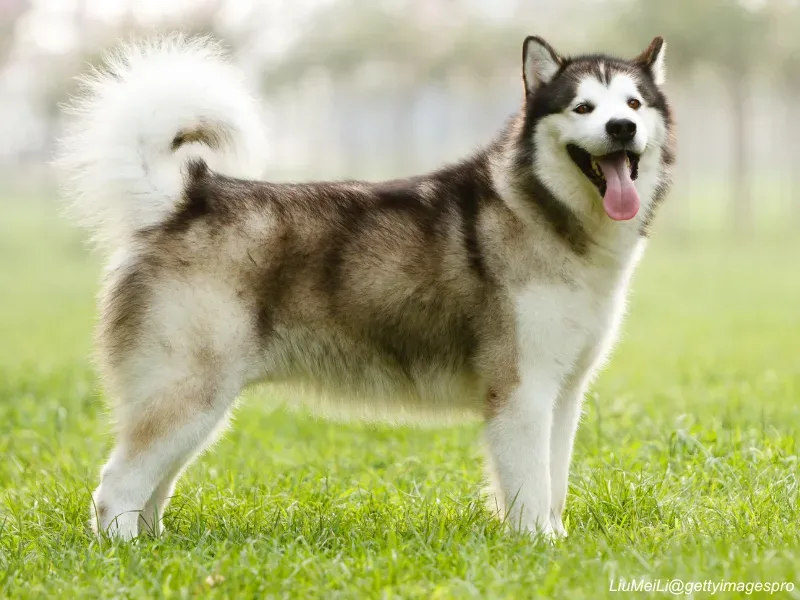
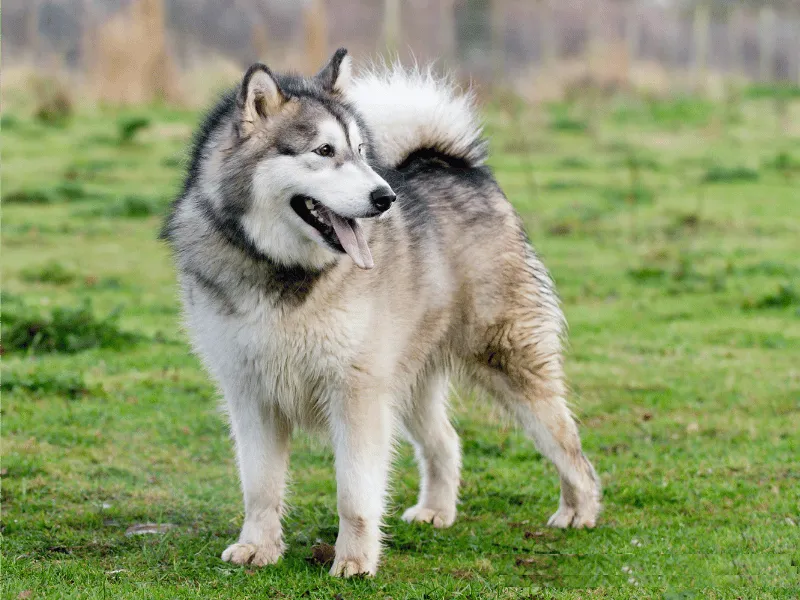


Is This the Right Breed for You?
✔ Excellent Match For
- Active individuals/families who love outdoor adventures (hiking, running, backpacking)
- Owners with previous large/working breed experience
- Homes with secure, high-fenced yards and cold climates
• Loyal and affectionate with their family, including gentle with children when raised together
• Thrives on vigorous exercise and mental challenges
• Excellent hiking/sledding companion with incredible endurance
✖ Consider Carefully If
- You're a first-time dog owner (they need experienced handling)
- You live in a hot climate without 24/7 AC access
- You have small pets (cats, rabbits) - strong prey drive
• Can be stubborn and independent—consistent training required
• Heavy shedder ("blows coat" twice yearly)—lots of fur!
• Prone to howling/digging if bored or under-exercised
Owner Suitability
"Malamutes do best with experienced owners who can provide vigorous daily exercise, consistent training, and a job to do. They're loyal family companions but require significant time commitment for exercise, grooming, and mental stimulation. If you want a dedicated working partner with a striking appearance, a Malamute can be a great match."Stats:
- Height: 23-25 inches
- Weight: 75-85 pounds
- Coat: Thick double coat with coarse outer guard hairs
- Colors: Shades of gray, black, sable, or red, always with white markings
- Lifespan: 10-14 years
Grooming note: Heavy seasonal shedder. Regular brushing essential, especially during "blowing coat" season.
Origin & History
The Alaskan Malamute is one of the oldest Arctic sled dogs, developed by the Mahlemut Inuit tribe in northwestern Alaska. Bred as powerful freight haulers, these dogs could pull heavy loads over long distances in extreme conditions. Their strength and endurance made them invaluable for transportation and hunting in the harsh Arctic environment.
During the Gold Rush of 1896, Malamutes were in high demand as sled dogs. Today, while still used for sledding and weight-pulling competitions, most Malamutes serve as loyal companions, maintaining their wolf-like appearance and friendly demeanor.
As the state dog of Alaska, the Malamute remains a symbol of strength, endurance, and Arctic heritage, while forming deep bonds with their human families.
| Traits: | 1 | 2 | 3 | 4 | 5 |
|---|---|---|---|---|---|
| Energy: Very high; needs extensive daily exercise and mental stimulation | ✓ | ||||
| Easy To Train: Intelligent but independent; can be stubborn | ✓ | ||||
| Shedding: Heavy; thick, coarse double coat requires daily brushing, non-hypoallergenic breed. | ✓ | ||||
| Grooming: High maintenance; heavy shedding, especially seasonally | ✓ | ||||
| Family Dog: Affectionate with family; good with older children | ✓ | ||||
| Watchdog: Friendly to nearly everyone | ✓ | ||||
| Beginner Friendly: Not recommended for first-time owners | ✓ | ||||
| Prey Drive: Very high; strong instinct to chase small animals | ✓ | ||||
| Barking: More likely to "talk" with woo-woo sounds | ✓ | ||||
| Good with other dogs: Dominance; same-sex issues | ✓ |
Health Concerns:
- Hip Dysplasia: Common in large breeds
- Chondrodysplasia: Dwarfism condition
- Polyneuropathy: Neurological disorder
- Day Blindness (CSNB): Inherited eye condition
- Hypothyroidism: Underactive thyroid gland
- Bloat (GDV): Life-threatening emergency
Please check the Canine Health Information Center (CHIC) and parent breed clubs for health information.
Glossary of general canine health conditions.