American Eskimo Dog
AKC & CKC Non-Sporting Group
Toy | Miniature | Standard


Origin & History
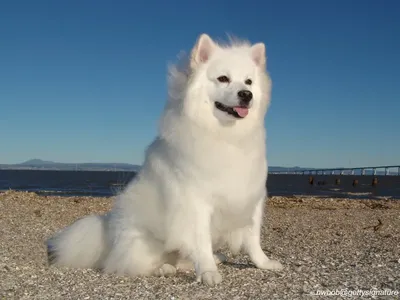
The American Eskimo Dog (affectionately called "Eskie") descended from German Spitz dogs brought to America by European immigrants in the early 20th century. Despite its name, the breed has no connection to Eskimo culture - the name was adopted during World War I due to anti-German sentiment.
These dogs gained fame as circus performers in the 1930s-1940s, with several Eskies starring in Barnum & Bailey and other shows. Their intelligence and trainability made them perfect for tricks. The AKC recognized the breed in 1995, separating it into toy, miniature, and standard varieties.
Today, the American Eskimo Dog is primarily a companion animal known for its stunning white coat, alert expression, and lively personality.
Stats:
Toy:
- Height: 9-12 inches
- Weight: 6-10 pounds
Miniature:
- Height: >12-15 inches
- Weight: >10-20 pounds
Standard:
- Height: >15-19 inches
- Weight: >25-35 pounds
Coat: Double coat with dense undercoat and longer guard hairs
Colors: Pure white or white with biscuit cream
Lifespan: 13-15 years
| Traits: | 1 | 2 | 3 | 4 | 5 |
|---|---|---|---|---|---|
| Energy: High energy; needs daily exercise and mental stimulation | ✓ | ||||
| Easy To Train: Highly intelligent and eager to please | ✓ | ||||
| Shedding: Heavy; thick double coat with heavy year-round and seasonal shedding | ✓ | ||||
| Grooming: High maintenance; regular brushing needed | ✓ | ||||
| Family Dog: Excellent with children; playful and affectionate | ✓ | ||||
| Watchdog: Excellent; alert and vocal | ✓ | ||||
| Beginner Friendly: Suitable for novice owners willing to groom | ✓ | ||||
| Prey Drive: Moderate; may chase small animals | ✓ | ||||
| Barking: Frequent; will alert to anything unusual | ✓ | ||||
| Good with other dogs: Friendly but can be territorial with same-sex dogs | ✓ |
Health Concerns:
- Hip Dysplasia: Mild risk compared to larger breeds
- Progressive Retinal Atrophy (PRA): Degenerative eye disease
- Legg-Calvé-Perthes Disease: Hip joint disorder
- Diabetes Mellitus: Some genetic predisposition
- Allergies: Skin and food sensitivities
- Dental Issues: Common in small breeds
Please check the Canine Health Information Center (CHIC) and parent breed clubs for health information.
Glossary of general canine health conditions.