Anatolian Shepherd Dog
AKC & CKC Working Group

Is This the Right Breed for You?
✔ Excellent Match For
- Experienced owners with property who understand independent guardian breeds
- Homes with livestock to protect or large acreage to patrol
- Families seeking a serious guardian who bonds deeply with their people
• Naturally protective and watchful—excellent livestock guardian with minimal training
• Calm, steady temperament when mature, not hyper or demanding
• Hardy and adaptable to various climates with proper shelter
✖ Consider Carefully If
- You're a first-time dog owner (they need experienced, confident handlers)
- You live in a suburban neighborhood with close neighbors
- You expect off-leash reliability or eager-to-please obedience
• Highly independent and can be stubborn—training requires patience
• Nocturnal by nature—may bark at night (they're working guardians)
• Suspicious of strangers and may not welcome visitors easily
Owner Suitability
"Anatolian Shepherds thrive with experienced owners who have space, livestock or property to guard, and respect for their independent nature. They're not traditional pets but working guardians who form deep bonds with their families while maintaining their ancient instincts. If you need a capable, self-reliant protector and can provide firm, patient leadership, the Anatolian can be a remarkable companion."Stats:
- Height: 27-29 inches
- Weight: 80-150 pounds
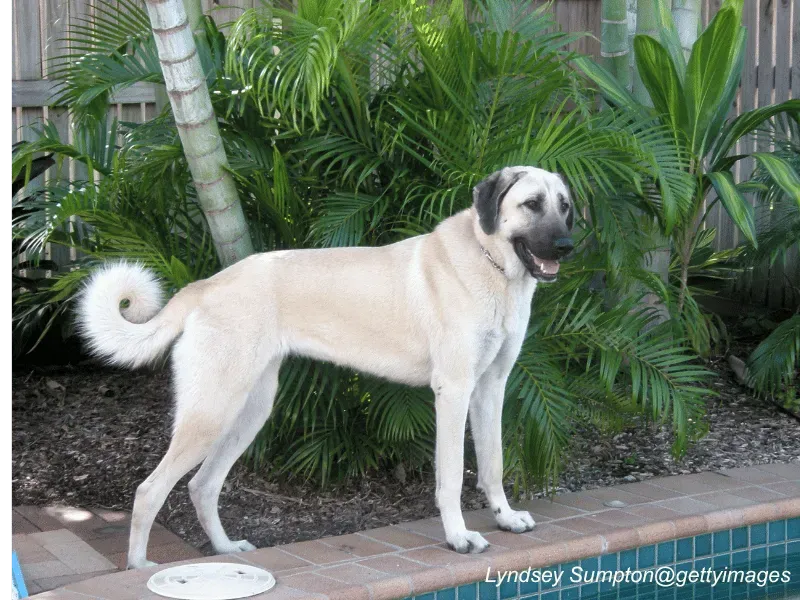
- Coat: Short to medium-length double coat with thick undercoat
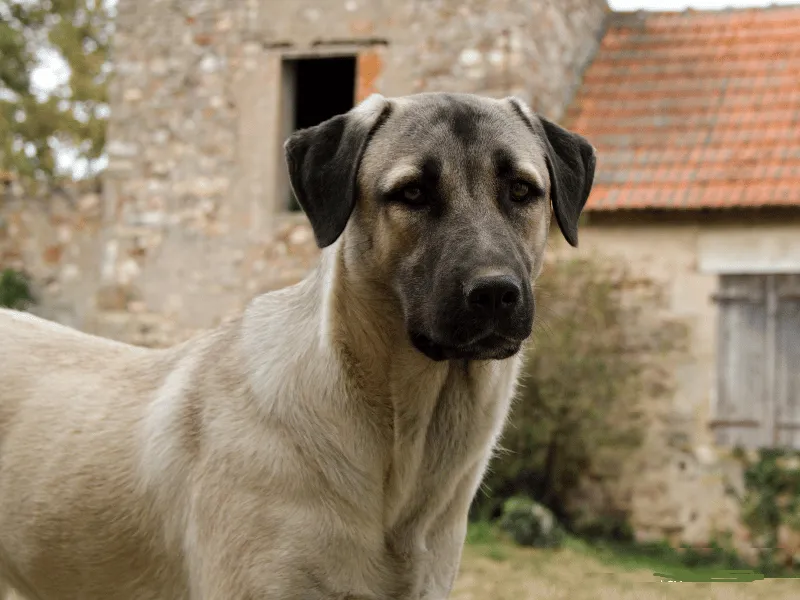
- Colors: Fawn, brindle, white, or pinto with black mask
- Lifespan: 11-13 years
Origin & History
The Anatolian Shepherd is an ancient livestock guardian breed originating from the Anatolian plateau of Turkey over 6,000 years ago. Developed to protect flocks from wolves, bears, and other predators, these rugged dogs worked alongside shepherds in harsh conditions. Their lineage traces back to Mesopotamian mastiffs and Roman war dogs.
Brought to America in the 1930s, the breed gained recognition for its exceptional guarding abilities. Today, while still used as working dogs on ranches worldwide, some serve as family protectors, maintaining their independence and strong protective instincts.
With their powerful build and weather-resistant coat, Anatolian Shepherds remain living links to ancient pastoral traditions while forming strong bonds with their human families.
| Traits: | 1 | 2 | 3 | 4 | 5 |
|---|---|---|---|---|---|
| Energy: Moderate; needs regular exercise but conserves energy when working | ✓ | ||||
| Easy To Train: Intelligent but independent; requires experienced handling | ✓ | ||||
| Shedding: Moderate; thick double coat releases steady fur year-round with heavier seasonal shedding. | ✓ | ||||
| Grooming: Low maintenance; weekly brushing and seasonal shedding control | ✓ | ||||
| Family Dog: Loyal to family; reserved with strangers | ✓ | ||||
| Watchdog: Exceptional natural guardian; highly protective | ✓ | ||||
| Beginner Friendly: Not recommended for first-time owners | ✓ | ||||
| Prey Drive: High; strong instinct to protect against predators | ✓ | ||||
| Barking: Frequent; will bark to warn of potential threats | ✓ | ||||
| Good with other dogs: Dominant; requires careful introductions; must be properly socialised | ✓ |
Health Concerns:
- Hip Dysplasia: Common in large breeds
- Entropion: Eyelid rolling inward
- Sensitivity to Anesthesia: Common in deep-chested breeds
Please check the Canine Health Information Center (CHIC) and parent breed clubs for health information.
Glossary of general canine health conditions.