Australian Cattle Dog
AKC & CKC Herding Group
Also known as the “Blue Heeler” or “Red Heeler”
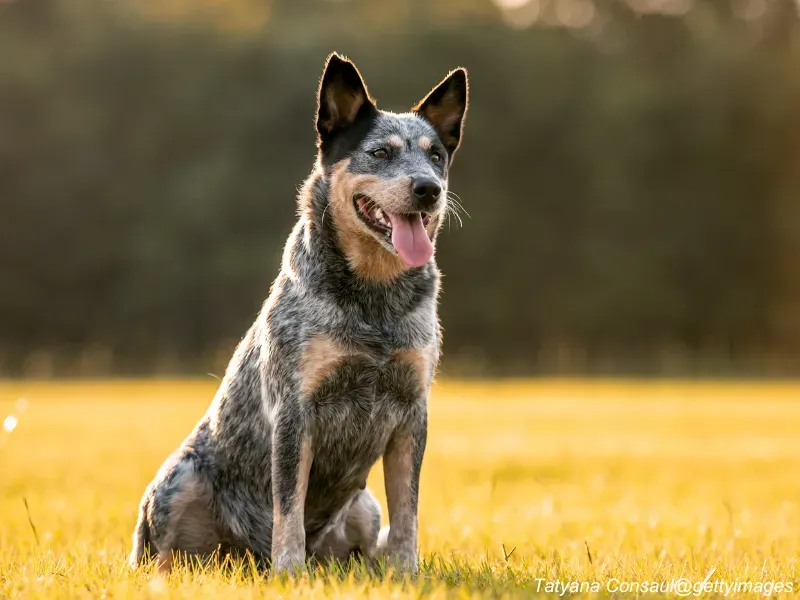


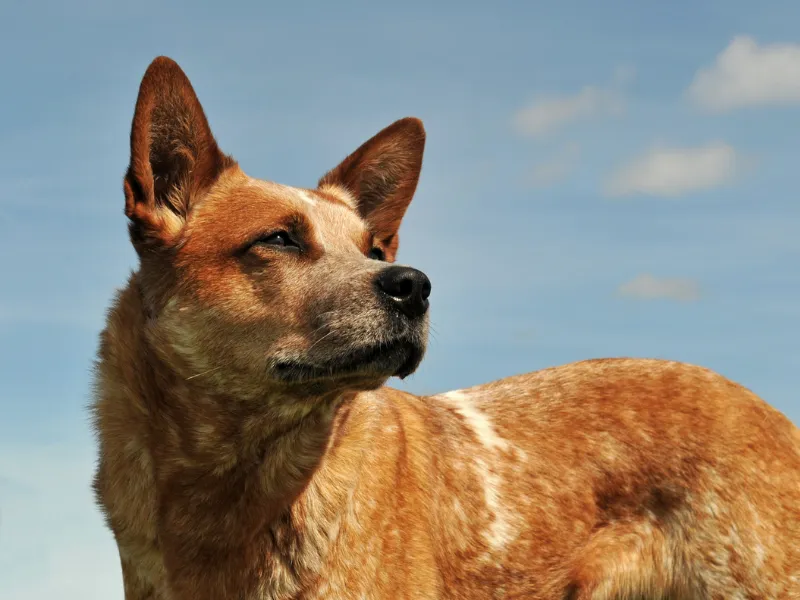
Is This the Right Breed for You?
✔ Excellent Match For
- Highly active owners (runners, hikers, farm life)
- People who enjoy advanced training and dog sports
- Homes that provide structured daily mental work
• Extremely intelligent and thrives on purpose.
• Loyal and bonds intensely with their person.
• Excels in agility, obedience, herding, and scent work.
✖ Consider Carefully If
- You want a relaxed, low-energy family pet
- You work long hours with minimal exercise time
- You are inexperienced with strong-willed breeds
• Can become destructive without mental stimulation.
• Natural herding instinct may include heel-nipping.
• Needs confident, consistent leadership.
★ Owner Suitability
“Australian Cattle Dogs thrive with active, structured owners who give them both physical exercise and a job to do. They are not casual companion dogs — but in the right hands, they are extraordinarily loyal, brilliant, and capable.”Stats
- Height: 17–20 inches
- Weight: 35–50 pounds
- Coat: Short, weather-resistant double coat
- Colors: Blue or red speckled/mottled
- Lifespan: 12–16 years
Origin & History
Developed in 19th-century Australia, the Australian Cattle Dog was bred to herd cattle across vast, rugged terrain. Their ancestry includes native Dingoes and imported herding breeds, resulting in a tireless, intelligent working dog.
Known for nipping at cattle’s heels — hence the nickname “Heeler” — this breed combines endurance, agility, and remarkable problem-solving ability.
Today, they remain exceptional ranch dogs and excel in advanced dog sports, thriving with owners who can match their intensity and intelligence.
| Traits: | 1 | 2 | 3 | 4 | 5 |
|---|---|---|---|---|---|
| Energy: Extremely high; requires intense daily exercise | ✓ | ||||
| Easy To Train: Highly intelligent but independent; needs firm handling | ✓ | ||||
| Shedding: Moderate; short double coat releases steady fur year-round with heavier seasonal shedding . | ✓ | ||||
| Grooming: Low maintenance; weekly brushing sufficient | ✓ | ||||
| Family Dog: Good with older children; may herd small kids | ✓ | ||||
| Watchdog: Excellent; naturally protective and alert | ✓ | ||||
| Beginner Friendly: Not recommended for first-time owners; high energy, high prey drive | ✓ | ||||
| Prey Drive: Very high; strong herding/chasing instinct | ✓ | ||||
| Barking: Moderate; vocal when working/alerting | ✓ | ||||
| Good with other dogs: Ok, if properly socialized; can be assertive or territorial | ✓ |
Health Concerns:
- Hip/Elbow Dysplasia: Common joint issues in active breeds
- Progressive Retinal Atrophy: Degenerative eye disease
- Deafness: Congenital deafness occurs in some lines
- Osteochondritis Dissecans (OCD): Joint cartilage disorder
- Primary Lens Luxation: Inherited eye condition
- Hypothyroidism: Endocrine system disorder
Please check the Canine Health Information Center (CHIC) and parent breed clubs for health information.
Glossary of general canine health conditions.