Australian Shepherd
AKC & CKC Herding Group


Is This the Right Breed for You?
✔ Excellent Match For
- Highly active individuals or families who enjoy outdoor activities
- People interested in dog sports like agility, obedience, or herding
- Experienced dog owners who can provide mental stimulation
• Extremely versatile: Excel in nearly all dog sports and working roles.
• Highly trainable: Eager to learn and work with their owners.
• Loyal companions: Form strong bonds with their families.
✖ Consider Carefully If
- You prefer a low-energy, couch-potato type of dog
- You have limited time for exercise and mental stimulation
- You're a first-time dog owner (experienced owner preferred due to high energy)
• High exercise needs: Require 60-90 minutes of vigorous activity daily.
• Mental stimulation required: Bored Aussies become destructive.
• Herding instincts: May nip at heels or try to herd children/pets.
Owner Suitability
Australian Shepherds are highly intelligent, energetic dogs who thrive when given a job—herding, agility, or obedience. Without sufficient physical and mental exercise, they become destructive. Their strong herding instincts mean they'll likely try to 'organize' your household, including children and other pets. Early socialization is crucial to prevent shyness or reactivity. They're loyal but can be reserved with strangers. With their substantial needs met, they are exceptionally capable, devoted companions.Stats:
- Height: 18-23 inches
- Weight: 40-65 pounds
- Coat: Medium length, weather-resistant double coat
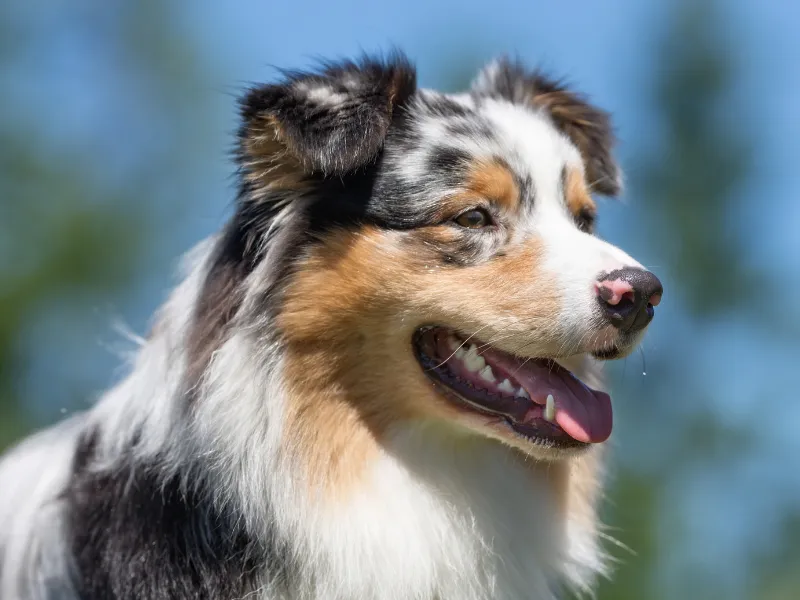
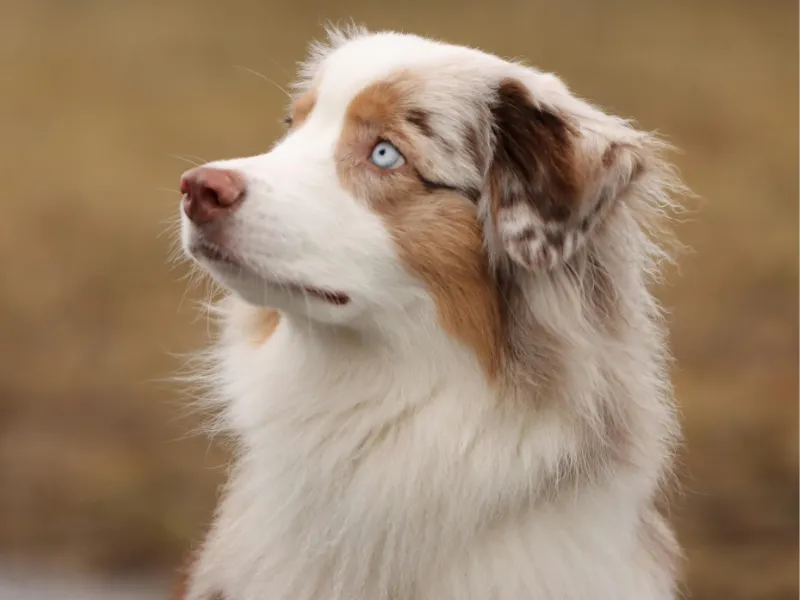
- Colors: Blue merle, red merle, black, red (all with or without white/tan markings)
- Lifespan: 12-15 years
Origin & History
The exact origins of the Australian Shepherd are uncertain. Some think that the breed came to the United States with Basque shepherds from the Pyrenees region between France and Spain. Some think that the breed has its origins in the dogs that arrived with shipments of sheep from Australia during the Gold Rush in the 1840s. These would likely have been collie/shepherd-type dogs of British origin.
Despite its name, the Australian Shepherd was developed in the United States during the 19th century as a ranch and herding dog. These intelligent dogs became indispensable to American ranchers for their ability to work livestock, particularly sheep. Their popularity grew after World War II when they became associated with rodeos and horse shows.
Today, Australian Shepherds excel in various dog sports and remain valued working dogs while also being beloved family companions for active households.
| Traits: | 1 | 2 | 3 | 4 | 5 |
|---|---|---|---|---|---|
| Energy: Very high; requires substantial daily exercise and mental stimulation. | ✓ | ||||
| Easy To Train: Highly intelligent and eager to please; excels in obedience. | ✓ | ||||
| Shedding: Moderate; thick double coat releases fur year-round with heavier seasonal shedding. | ✓ | ||||
| Grooming: Moderate; regular brushing needed to control shedding. | ✓ | ||||
| Family Dog: Excellent with children when properly socialized; protective. | ✓ | ||||
| Watchdog: Excellent; naturally protective of home and family. | ✓ | ||||
| Beginner Friendly: Best for experienced owners who can meet exercise needs. | ✓ | ||||
| Prey Drive: Strong; may chase small animals due to herding instincts. | ✓ | ||||
| Barking: Moderate; may bark to alert or when bored. | ✓ | ||||
| Good with other dogs: Yes, if properly socialized | ✓ |
Health Considerations
- Hip Dysplasia: Common in many medium-large breeds
- Eye Problems: Including cataracts and Collie Eye Anomaly
- Epilepsy: Higher incidence in the breed
- MDR1 Gene Mutation: Sensitivity to certain drugs
- Autoimmune Disorders: Various conditions including thyroid issues
- Cancer: Higher than average cancer rates
Please check the Canine Health Information Center (CHIC) and parent breed clubs for health information.
Glossary of general canine health conditions.
Breed Clubs:
United States Australian Shepherd Association