Basset Hound
AKC & CKC Hound Group

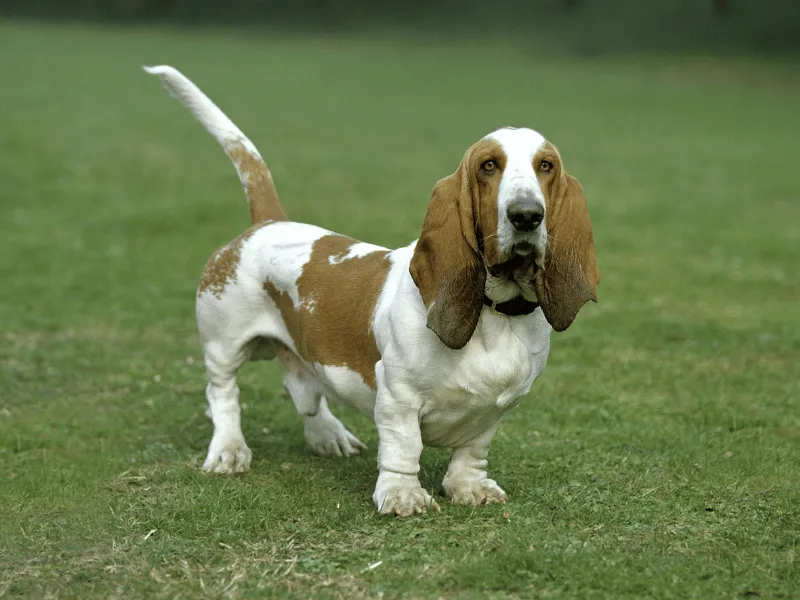


Is This the Right Breed for You?
✔ Excellent Match For
- Families seeking a gentle, patient, and good-natured companion
- Owners who appreciate a laid-back, low-energy indoor dog
- Those looking for an excellent family dog who's great with children
• Exceptional nose: second only to the Bloodhound in tracking ability.
• Low exercise needs: short walks satisfy their requirements.
• Affectionate and loyal: forms strong bonds with family members.
✖ Consider Carefully If
- You're fastidious about cleanliness (drool, ear care, and shedding are real)
- You expect eager obedience (Bassets are notoriously stubborn)
- You have stairs or are concerned about back/joint health issues
• Stubborn streak: independent thinkers who require patience in training.
• Vocal breed: baying and howling are part of their charm—and noise level.
• Weight management: prone to obesity if overfed or under-exercised.
Owner Suitability
The Basset Hound is a lovable, laid-back companion perfect for families seeking a gentle, patient dog. Their low energy and affectionate nature make them excellent indoor pets, but prospective owners must accept the drool, shedding, stubbornness, and distinctive baying. Best suited for those who appreciate their comical personality and don't mind a little mess.Stats:
- Height: Up to 15 inches
- Weight: 40-65 pounds
- Coat: Short, smooth, and hard
- Colors: Tri-color (black, white, tan), red & white, lemon & white
- Lifespan: 10-12 years
Note: Basset Hounds drool—it's just part of the package! Regular ear cleaning is essential to prevent infections.
Origin & History
The Basset Hound originated in France in the 1500s, bred as a scent hound to track small game like rabbits and hare. Their name comes from the French word "bas" meaning low, referring to their short stature. Developed from bloodhounds, Basset Hounds inherited their exceptional sense of smell but with shorter legs perfect for hunters to follow on foot.
Known for their distinctive droopy eyes, long ears, and sad expression, Basset Hounds today serve primarily as companion animals, though some still participate in tracking events. Their scenting ability is excellent—only the Bloodhound's nose is more accurate.
With their gentle nature and comical appearance, Basset Hounds have become one of America's most recognizable and beloved breeds, appearing frequently in advertising and pop culture.
| Traits: | 1 | 2 | 3 | 4 | 5 |
|---|---|---|---|---|---|
| Energy: Moderate; needs regular exercise but not overly active | ✓ | ||||
| Easy To Train: Can be stubborn; food motivation helps training | ✓ | ||||
| Shedding: Moderate; short, dense coat releases fur year-round . | ✓ | ||||
| Grooming: Low maintenance; weekly brushing and regular ear cleaning | ✓ | ||||
| Family Dog: Excellent with children and families; gentle and patient | ✓ | ||||
| Watchdog: Will alert bark but not aggressive | ✓ | ||||
| Beginner Friendly: Good for first-time owners with patience | ✓ | ||||
| Prey Drive: Moderate to high; strong scent tracking instincts | ✓ | ||||
| Barking: Vocal; known for their distinctive bay | ✓ | ||||
| Good with other dogs: Excellent; gets along well with other dogs | ✓ |
Health Concerns:
- Obesity: Prone to weight gain which exacerbates other health issues
- Ear Infections: Due to long, floppy ears
- Hip Dysplasia: Malformation of the hip joint
- Elbow Dysplasia: Abnormal development of elbow joints
- Gastric Torsion (Bloat): Life-threatening stomach condition
- Eye Problems: Including glaucoma and ectropion
Please check the Canine Health Information Center (CHIC) and parent breed clubs for health information.
Glossary of general canine health conditions.