Bearded Collie
AKC & CKC Herding Group
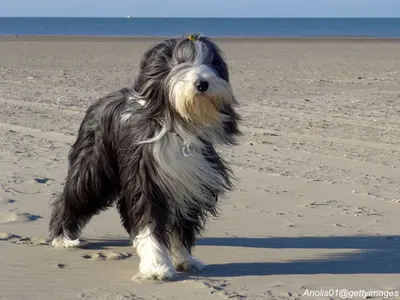
Photo Credit: Anolis01 | Getty Images
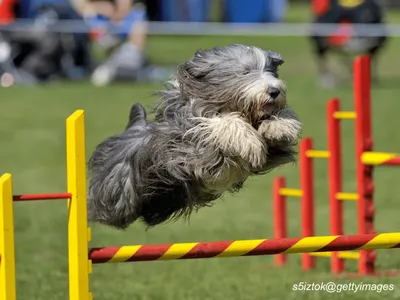
Photo Credit: s5iztok | Getty Images
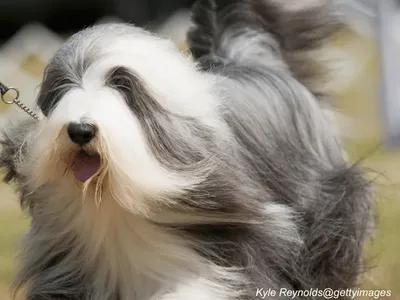
Photo Credit: Kyle Reynolds | Getty Images

Photo Credit: DianaHirsch | Getty Images
Photo Credit: Anolis01 | Getty Images
Origin & History
The Bearded Collie originated in Scotland as a herding dog, dating back to at least the 16th century. They were developed to herd sheep and cattle in the harsh Scottish Highlands, prized for their weather-resistant coat, intelligence, and boundless energy.
Known affectionately as "Beardies," these dogs nearly disappeared after World War II but were revived by dedicated breeders. Their shaggy appearance and cheerful personality have made them popular family companions while maintaining their working abilities.
Today, Bearded Collies excel in dog sports, obedience, and as therapy dogs, while still being capable herders. Their joyful nature and distinctive bouncing gait make them unmistakable in the show ring.
Stats:
- Height: 20-22 inches
- Weight: 45-55 pounds
- Coat: Long, shaggy double coat with soft undercoat
- Colors: Black, blue, brown, or fawn, often with white markings
- Lifespan: 12-14 years
| Traits: | 1 | 2 | 3 | 4 | 5 |
|---|---|---|---|---|---|
| Energy: Very high; needs substantial daily exercise and mental stimulation | ✓ | ||||
| Easy To Train: Intelligent and eager to please but can be independent | ✓ | ||||
| Shedding: Moderate to heavy. Long, shaggy double coat; sheds year-round with seasonal “blow | ✓ | ||||
| Grooming: High maintenance; requires regular brushing to prevent mats | ✓ | ||||
| Family Dog: Excellent with children; playful and affectionate | ✓ | ||||
| Watchdog: Good; will alert bark but not aggressive | ✓ | ||||
| Beginner Friendly:Energetic and stubborn; needs consistent traininge | ✓ | ||||
| Prey Drive: Moderate; herding instincts may chase small animals | ✓ | ||||
| Barking: Can be quite vocal; bark when excited or herding | ✓ | ||||
| Good with other dogs: Sociable and playful; may herd other pets | ✓ |
Health Concerns:
- Hip Dysplasia: Malformation of the hip joint
- Autoimmune Diseases: Including Addison's disease and lupus
- Eye Problems: Such as progressive retinal atrophy (PRA)
- Hypothyroidism: Underactive thyroid gland
- Allergies: Skin and food allergies are not uncommon
- Epilepsy: Seizure disorder seen in some lines
Please check the Canine Health Information Center (CHIC) and parent breed clubs for health information.
Glossary of general canine health conditions.