Bernese Mountain Dog
AKC & CKC Working Group

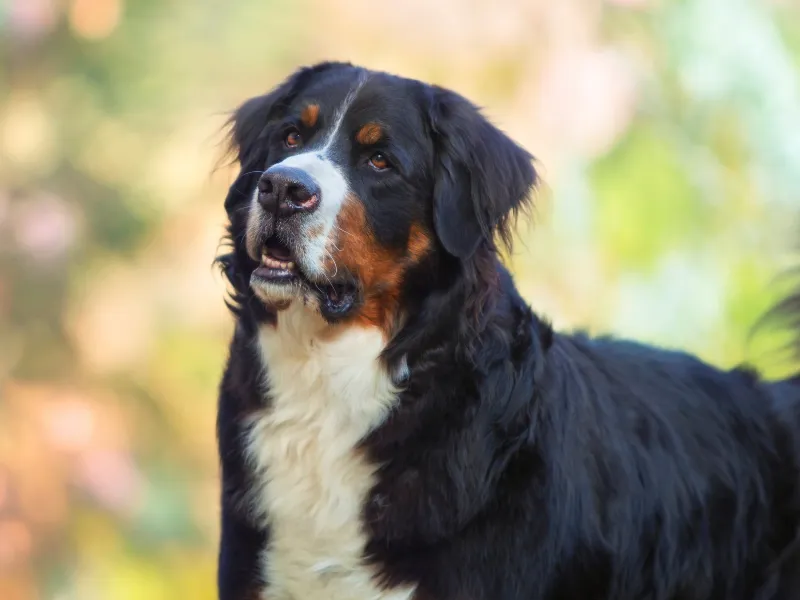
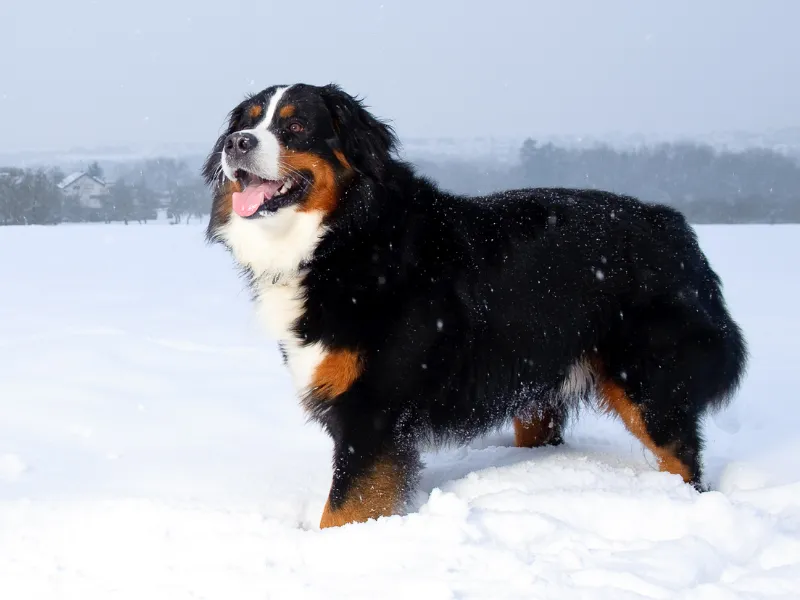

Is This the Right Breed for You?
✔ Excellent Match For
- Families seeking a gentle, patient companion for children
- Those who appreciate a calm, affectionate family dog
- Owners with space for a large dog and time for grooming
• Excellent family dogs: Gentle, patient, and great with children.
• Calm temperament: Generally quiet and easygoing in the home.
• Versatile workers: Enjoy cart-pulling, hiking, and other outdoor activities.
✖ Consider Carefully If
- You live in a hot climate (they overheat easily)
- You dislike heavy shedding and regular grooming
- You want a long-lived companion (they have short lifespans)
• Short lifespan: Typically only live 7-10 years.
• Serious health concerns: High rates of cancer, hip/elbow dysplasia, and bloat.
• Heavy shedding: Require regular brushing to manage their thick coat.
Owner Suitability
Bernese Mountain Dogs are gentle giants with hearts as big as their bodies. They thrive in families where they can be included in daily activities and given plenty of affection. Their calm, patient nature makes them excellent with children, but their large size requires supervision with small kids. Be prepared for significant shedding and regular grooming to maintain their beautiful coat. Most importantly, prospective owners must understand and accept their tragically short lifespan and predisposition to serious health issues, particularly cancer. They're sensitive to heat and need to live in cooler climates. With proper care and realistic expectations, they're incredibly loving, loyal companions who will fill your home with affection.Stats:
- Height: 23-27.5 inches
- Weight: 70-115 pounds
- Coat: Long, thick double coat with slight wave
- Colors: Jet black with rich rust and white markings
- Lifespan: 7-10 years
Origin & History
The Bernese Mountain Dog originated in the Swiss Alps near Bern, where they were developed as versatile farm dogs. Descendants of Roman mastiffs crossed with local Swiss herding dogs, Berners were used to pull carts, drive cattle, and guard farms. Their tri-color coat helped them stand out against the snow while working in mountain pastures.
By the late 19th century, the breed nearly disappeared but was saved by Swiss fanciers. The Bernese Mountain Dog was recognized by the AKC in 1937. Today, they remain beloved family companions while still participating in draft work and herding trials, maintaining their gentle temperament and striking appearance.
Known for their sweet nature and loyalty, Bernese Mountain Dogs continue to win hearts worldwide with their calm demeanor and beautiful markings.
| Traits: | 1 | 2 | 3 | 4 | 5 |
|---|---|---|---|---|---|
| Energy: Moderate; needs daily exercise but not hyperactive | ✓ | ||||
| Easy To Train: Intelligent and eager to please; responds well to positive training | ✓ | ||||
| Shedding: Heavy; thick, long double coat releases fur constantly, especially during seasonal changes. | ✓ | ||||
| Grooming: Requires frequent brushing and seasonal shedding control | ✓ | ||||
| Family Dog: Excellent with families; gentle and affectionate with children | ✓ | ||||
| Watchdog: Good; will alert bark but not aggressive | ✓ | ||||
| Beginner Friendly: Good for dedicated first-time owners | ✓ | ||||
| Prey Drive: Low; generally good with other animals | ✓ | ||||
| Barking: Moderate; may bark to alert | ✓ | ||||
| Good with other dogs: Excellent; gets along well with other dogs | ✓ |
Health Concerns:
- Cancer: Particularly histiocytic sarcoma and mast cell tumors
- Hip/Elbow Dysplasia: Common joint issues in large breeds
- Bloat (GDV): Life-threatening stomach torsion
- Progressive Retinal Atrophy: Degenerative eye disease
- Von Willebrand's Disease: Blood clotting disorder
- Autoimmune Disorders: Various immune system issues
Please check the Canine Health Information Center (CHIC) and parent breed clubs for health information.
Glossary of general canine health conditions.