
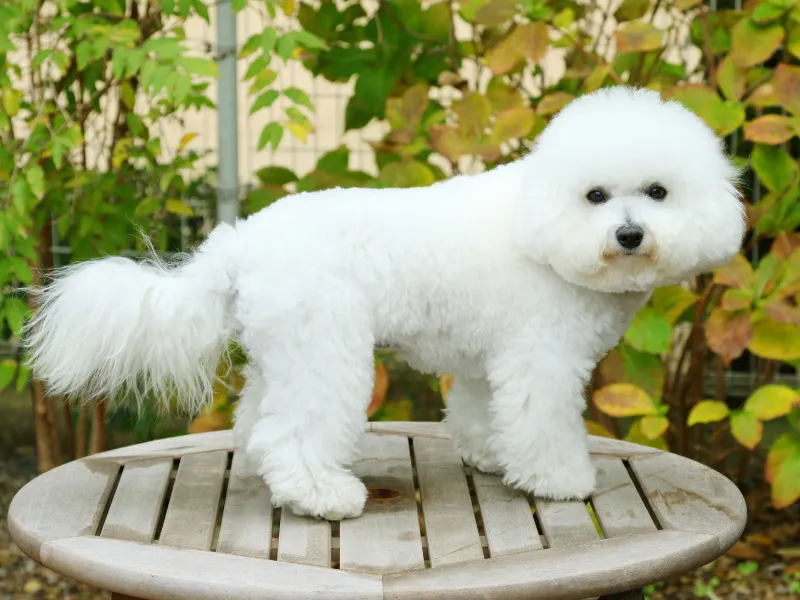


Is This the Right Breed for You?
✔ Excellent Match For
- People who want a cheerful, affectionate companion that loves being with the family
- Homes looking for a small dog that’s playful, friendly, and generally good with kids
- Owners who don’t mind routine grooming and enjoy a tidy, “fluffy” look
• Social and loving: often thrives as a true “shadow dog.”
• Moderate exercise: daily walks + playtime usually keeps them happy.
• Bright and trainable: short, fun training sessions work best.
✖ Consider Carefully If
- You’re away for long hours daily (they can struggle with being alone)
- You want a low-grooming dog (their coat needs regular care)
- You prefer a very independent breed (Bichons crave companionship)
• Separation anxiety risk: build alone-time skills gradually.
• Coat maintenance: brushing + professional grooming helps prevent mats.
• House-training needs consistency (small bladders + routine = success).
Owner Suitability
“Bichon Frises do best with owners who want a true companion and can provide attention, routine, and regular grooming. They’re upbeat, affectionate, and adaptable, but they don’t enjoy being left alone for long stretches. If you want a happy, people-focused small dog, the Bichon is an excellent fit.”Stats:
- Height: 9.5–11.5 inches
- Weight: 12–18 pounds
- Coat: Curly, dense coat (low-shedding; requires grooming)
- Colors: White (cream/apricot shading may appear in puppies)
- Lifespan: 14–15 years
Care note: Regular brushing and routine professional grooming help prevent matting and keep the coat bright and comfortable.
Origin & History
The Bichon Frise is part of the “Bichon” family of small companion dogs. Historically, these charming white dogs became popular around the Mediterranean and later throughout Europe, where they were adored for their friendly temperament and portable size.
Over time, Bichons became favorites in royal courts and were often featured in classic artwork. When fashions changed, many lived as street dogs and performers—something their intelligence and charm made them well-suited for.
Today, Bichon Frises are best known as upbeat family companions. Their merry personality and people-loving nature have kept them in the role they’ve held for centuries: bringing joy wherever they go.
| Traits: | 1 | 2 | 3 | 4 | 5 |
|---|---|---|---|---|---|
| Energy: Moderate; playful but not hyperactive | ✓ | ||||
| Easy To Train: Intelligent and eager to please | ✓ | ||||
| Shedding: Very Low; curly double coat releases minimal fur, with hair that grows continuously. | ✓ | ||||
| Grooming: High maintenance; requires regular clipping | ✓ | ||||
| Family Dog: Excellent with children and seniors | ✓ | ||||
| Watchdog: Will alert bark but not protective | ✓ | ||||
| Beginner Friendly: Excellent choice for first-time owners dedicated to grooming | ✓ | ||||
| Prey Drive: Minimal; gets along with other pets | ✓ | ||||
| Barking: Moderate; can be vocal when excited | ✓ | ||||
| Good with other dogs: Excellent; known for their friendly and sociable nature | ✓ |
Health Concerns:
- Patellar Luxation: Slipping kneecaps
- Legg-Calvé-Perthes: Developmental orthopedic condition
- Hip Dysplasia: Less common than in larger breeds
- Cataracts: Can develop in older dogs
- Dental Issues: Prone to early tooth loss
Please check the Canine Health Information Center (CHIC) and parent breed clubs for health information.
Glossary of general canine health conditions.