Biewer Terrier
The Elegant Companion
AKC & CKC Toy Group

Is This the Right Breed for You?
✔ Excellent Match For
- Individuals or families who want an elegant, affectionate lap dog
- Allergy sufferers seeking a low-shedding, non-shedding companion
- Homes seeking a cheerful, adaptable dog that thrives on human companionship
✖ Consider Carefully If
- You want a low-maintenance coat (they require daily brushing and regular grooming)
- You have young children who may be too rough with a small, delicate dog
- You want an independent dog (they crave constant attention and can develop separation anxiety)
Owner Suitability
The Biewer Terrier is a charming, elegant companion that brings beauty and affection to the right home. While small and adaptable, they require dedicated grooming and thrive on human attention. Success depends on commitment to their coat care, socialization, and understanding their need for companionship.Stats:
- Height: 7-11 inches
- Weight: 4-8 pounds
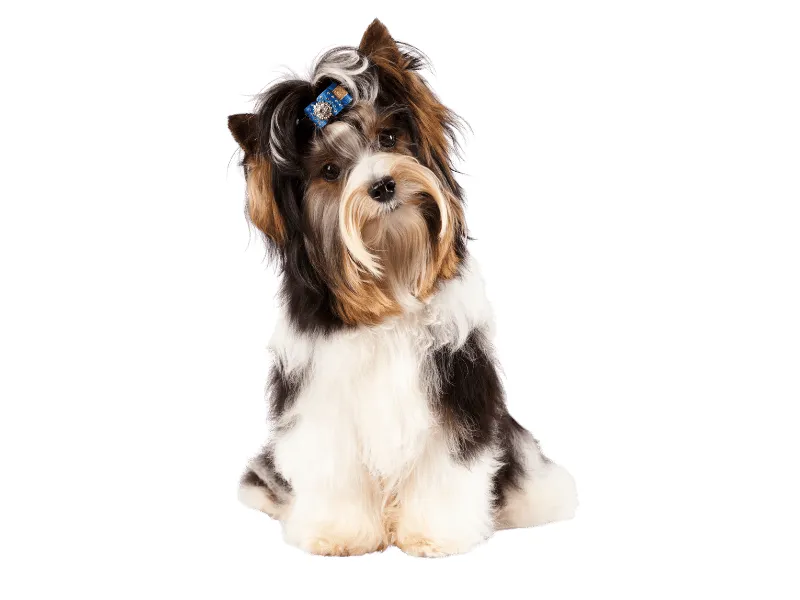
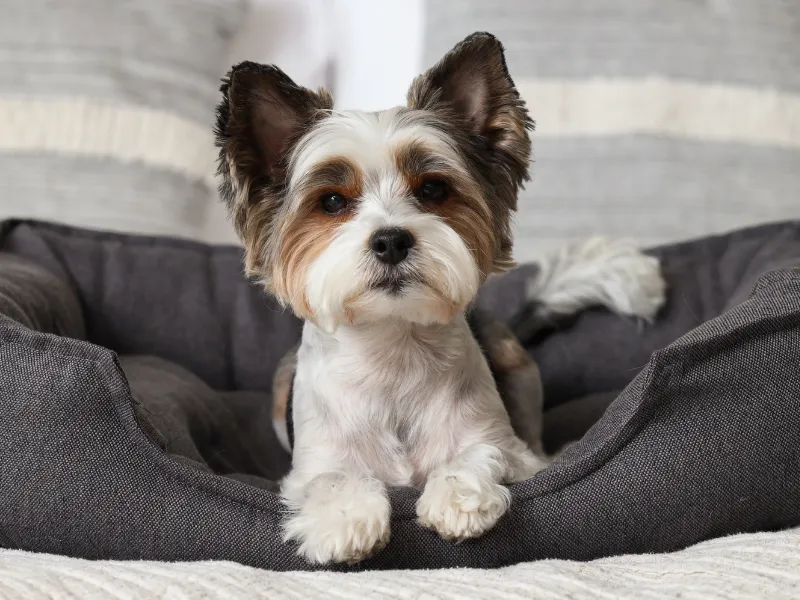
- Coat: Long, silky, straight; non-shedding
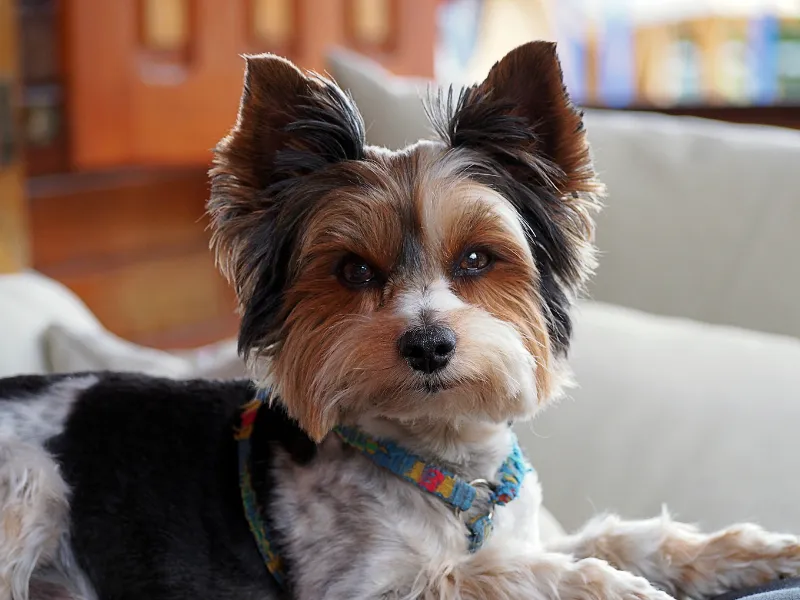
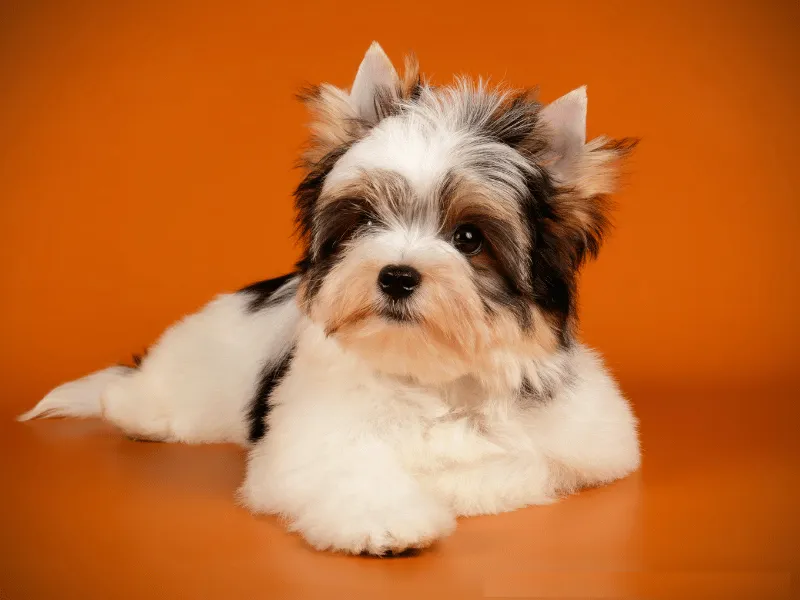
- Colors: Tri-color (black/white/tan or blue/white/tan)
- Lifespan: 14-16 years
Origin & History
The Biewer Terrier originated in Germany in 1984 when a unique piebald Yorkshire Terrier puppy was born in the breeding program of Mr. and Mrs. Biewer. This striking tricolor puppy was the foundation of what would become a distinct breed, originally called the Biewer Yorkshire Terrier. Through careful breeding, the Biewer Terrier was developed as a separate breed with its own distinctive characteristics.
- Originated in Germany in 1984 from a piebald Yorkshire Terrier
- Developed as a distinct breed through careful breeding
- Recognized by the AKC in 2021
- Known for their beautiful, silky tri-color coats
Today, Biewer Terriers have become prized as affectionate lapdogs and charming show dogs. While still relatively rare compared to more established breeds, they have gained a devoted following for their cheerful personalities, elegant appearance, and loving nature.
| Traits: | 1 | 2 | 3 | 4 | 5 |
|---|---|---|---|---|---|
| Energy: Moderate; playful but adaptable | ✓ | ||||
| Easy To Train: Intelligent and eager to please | ✓ | ||||
| Shedding: Very Low; sheds minimally | ✓ | ||||
| Grooming: Moderate; daily brushing required | ✓ | ||||
| Family Dog: Excellent with gentle children | ✓ | ||||
| Watchdog: Will alert to strangers | ✓ | ||||
| Beginner Friendly: Good for first-time owners committed to grooming | ✓ | ||||
| Prey Drive: Low to moderate; some terrier instinct | ✓ | ||||
| Barking: Moderate; can be vocal | ✓ | ||||
| Good with other dogs: Sociable and friendly | ✓ |
Health Concerns:
- Patellar Luxation: Kneecap dislocation common in toy breeds
- Dental Issues: Common in toy breeds; requires regular dental care
- Portosystemic Shunt: Liver circulation abnormality
- Tracheal Collapse: Weakness of the windpipe
- Legg-Calvé-Perthes Disease: Hip joint disorder
- Eye Problems: Including dry eye and retinal dysplasia
Please check the Canine Health Information Center (CHIC) and parent breed clubs for health information.
Glossary of general canine health conditions.