Borzoi
The Elegant Russian Wolfhound
AKC & CKC Hound Group

Is This the Right Breed for You?
✔ Excellent Match For
- Experienced dog owners who appreciate an elegant, aristocratic sighthound
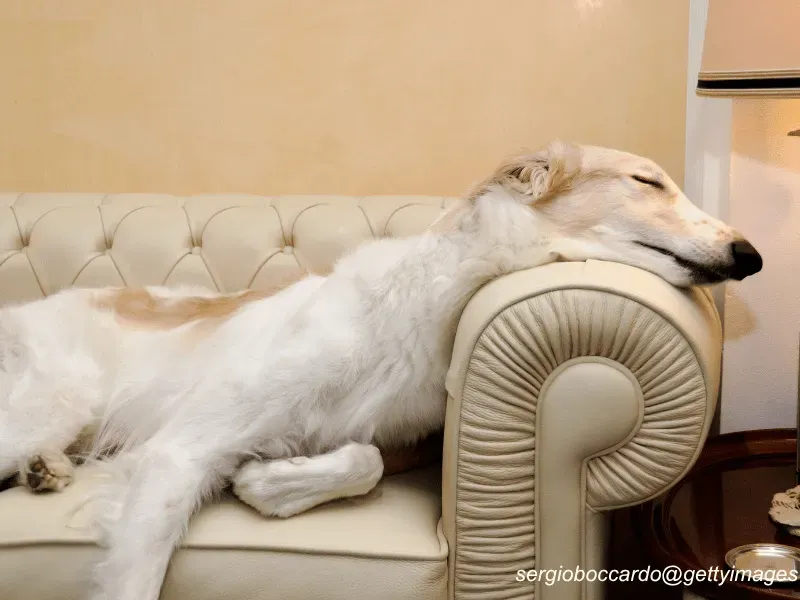
- Quiet households seeking a calm, dignified indoor companion
- Owners who understand sighthound instincts and independent nature
✖ Consider Carefully If
- You want a highly obedient, biddable dog — they are independent and can be stubborn
- You have small pets like cats, rabbits, or small dogs (extremely high prey drive)
- You need reliable off-leash control — sighthound instincts can override training when they see movement
Owner Suitability
The Borzoi is a regal, elegant companion that brings grace and quiet dignity to the right home. While calm and reserved indoors, they possess strong hunting instincts that require careful management. Success depends on understanding their independent nature, providing secure fencing, and respecting their sighthound heritage.Stats:
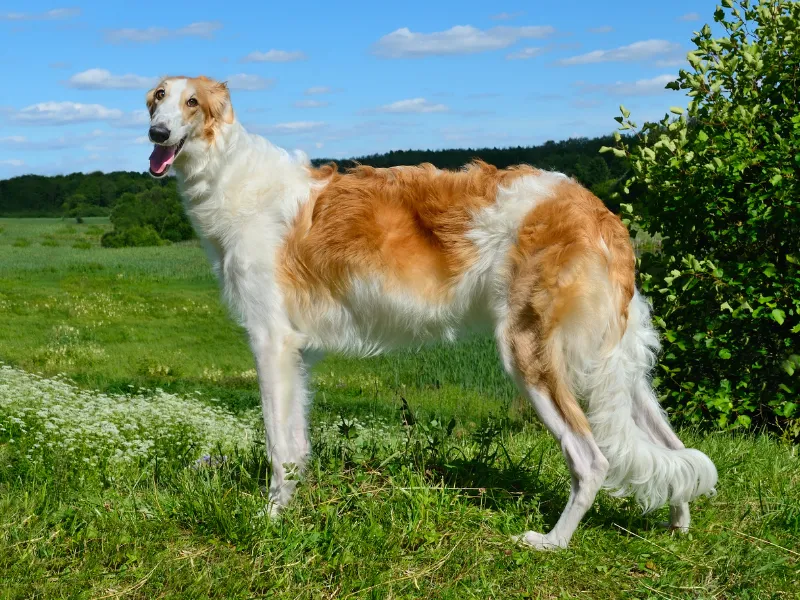
- Height: 26-32 inches
- Weight: 60-105 pounds
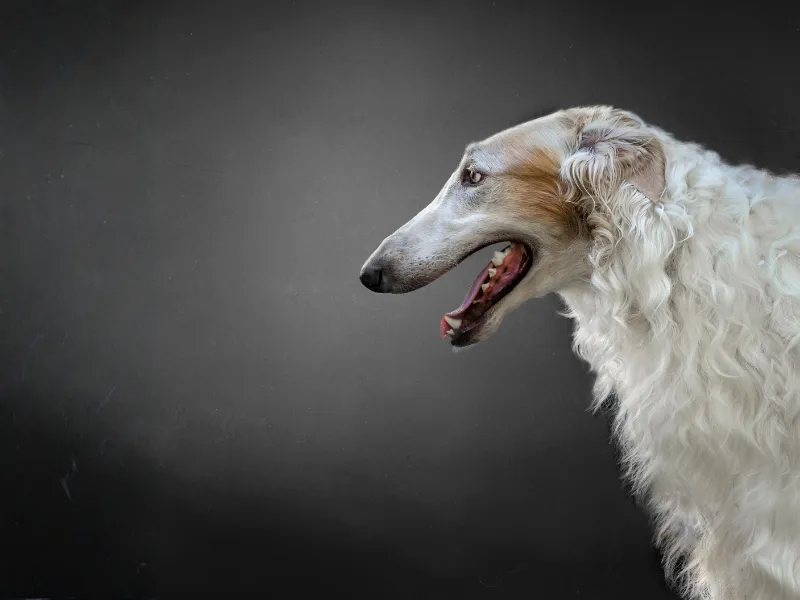
- Coat: Long, silky, flat or slightly wavy
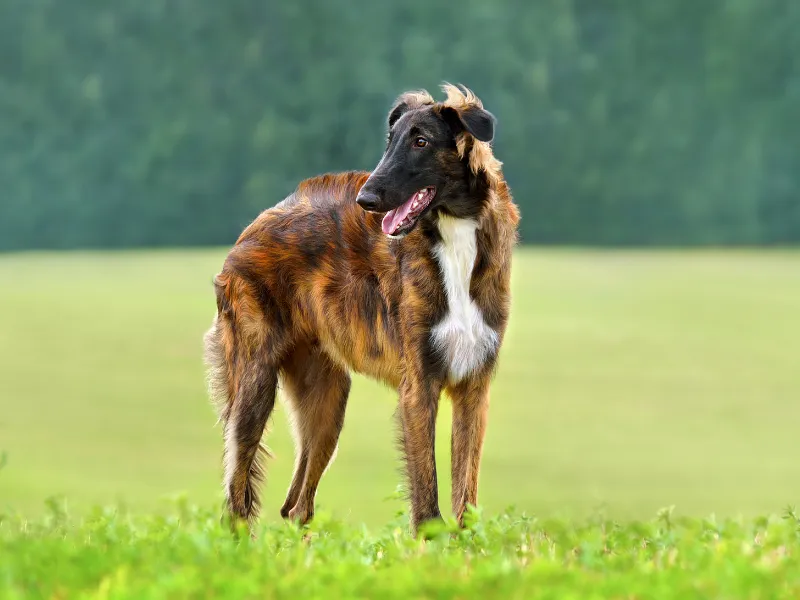
- Colors: Any color or combination including white, gold, gray, brindle, or black
- Lifespan: 9-14 years
Origin & History
The Borzoi, also known as the Russian Wolfhound, was developed in Russia during the 17th century by crossing Arabian greyhounds with thick-coated Russian breeds. Russian aristocracy bred these elegant sighthounds to hunt wolves across the snowy steppes, valuing their speed, strength, and courage. The name "Borzoi" comes from the Russian word "borzyi" meaning swift.
These regal dogs became status symbols in Tsarist Russia, with noble families competing to breed the most magnificent specimens. After the Russian Revolution, the breed nearly disappeared but was saved by enthusiasts who exported dogs abroad. Today, they are prized as graceful companions and show dogs, though they retain their strong hunting instincts.
With their aristocratic bearing and flowing coats, Borzois combine breathtaking beauty with quiet dignity, making them one of the most striking sighthound breeds.
| Traits: | 1 | 2 | 3 | 4 | 5 |
|---|---|---|---|---|---|
| Energy: Moderate; needs regular exercise but calm indoors | ✓ | ||||
| Easy To Train: Intelligent but independent; requires patience | ✓ | ||||
| Shedding: Moderate to High; silky double coat releases steady to heavy fur | ✓ | ||||
| Grooming: Moderate; weekly brushing needed to prevent mats | ✓ | ||||
| Family Dog: Gentle but reserved; best with quiet households | ✓ | ||||
| Watchdog: Minimal; rarely barks and not protective | ✓ | ||||
| Beginner Friendly: Challenging due to size and independence | ✓ | ||||
| Prey Drive: Extremely high; will chase small animals | ✓ | ||||
| Barking: Quiet; rarely vocalizes | ✓ | ||||
| Good with other dogs: Aloof with strange dogs | ✓ |
Health Concerns:
- Hip Dysplasia: Malformation of the hip joint
- Elbow Dysplasia: Abnormal development of elbow joints
- Degenerative Myelopathy (DM): Spinal cord disease
- Autoimmune Thyroiditis: Immune system mistakenly attacks thyroid
- Progressive Retinal Atrophy (PRA): Progressive vision loss and eventual blindness
Please check the Canine Health Information Center (CHIC) and parent breed clubs for health information.
Glossary of general canine health conditions.