Chinook
AKC Working Group


Origin & History
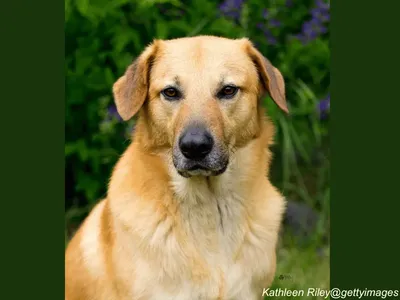
The Chinook is a rare American breed developed in New Hampshire in the early 20th century by Arctic explorer Arthur Treadwell Walden.
Key characteristics of this unique sled dog are:
- Powerful yet agile build for freight hauling
- Friendly, people-oriented temperament
Originally bred for Admiral Byrd's 1929 Antarctic expedition, Chinooks were created by crossing Mastiff-type dogs with Greenland Huskies and Belgian Shepherds. They nearly went extinct in the 1980s with fewer than 30 dogs remaining, but dedicated breeders saved the population.
Chinooks are gentle, sociable dogs who have a natural affinity for children.
Recognized as New Hampshire's state dog in 2009 and by the AKC in 2013, Chinooks remain one of America's rarest breeds, valued for their strength, endurance, and gentle nature.
Stats:
- Height: 22-26 inches
- Weight: 50-90 pounds
- Coat: Dense double coat with tawny coloration
- Colors: Gold to reddish-gold with dark markings
- Lifespan: 12-15 years
Note:The Chinook is a slow maturing breed, often not reaching maturity before 4 to 5 years of age
| Traits: | 1 | 2 | 3 | 4 | 5 |
|---|---|---|---|---|---|
| Energy: High; bred for endurance sled work | ✓ | ||||
| Easy To Train: Intelligent and eager to please | ✓ | ||||
| Shedding: Heavy; dense double coat sheds year-round, with significant seasonal blow-outs | ✓ | ||||
| Grooming: Moderate; seasonal heavy shedding | ✓ | ||||
| Family Dog: Excellent; gentle with children | ✓ | ||||
| Watchdog: Good; alert but not aggressive | ✓ | ||||
| Beginner Friendly: Suitable for active owners | ✓ | ||||
| Prey Drive: Moderate; can be managed | ✓ | ||||
| Barking: Vocal | ✓ | ||||
| Good with other dogs: Sociable; thrives in pack settings | ✓ |
Health Concerns:
- Hip Dysplasia: Common in many large breeds
- Epilepsy: Some genetic predisposition
- Allergies: Skin and food sensitivities
- Eye Conditions: Including cataracts
Please check the Canine Health Information Center (CHIC) and parent breed clubs for health information.
Glossary of general canine health conditions.