Collie
AKC & CKC Herding Group
(Rough & Smooth varieties)
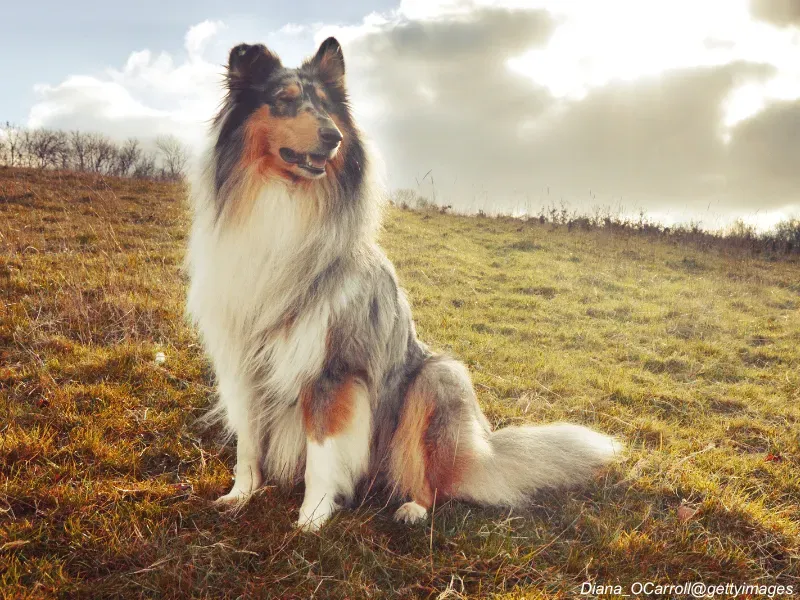
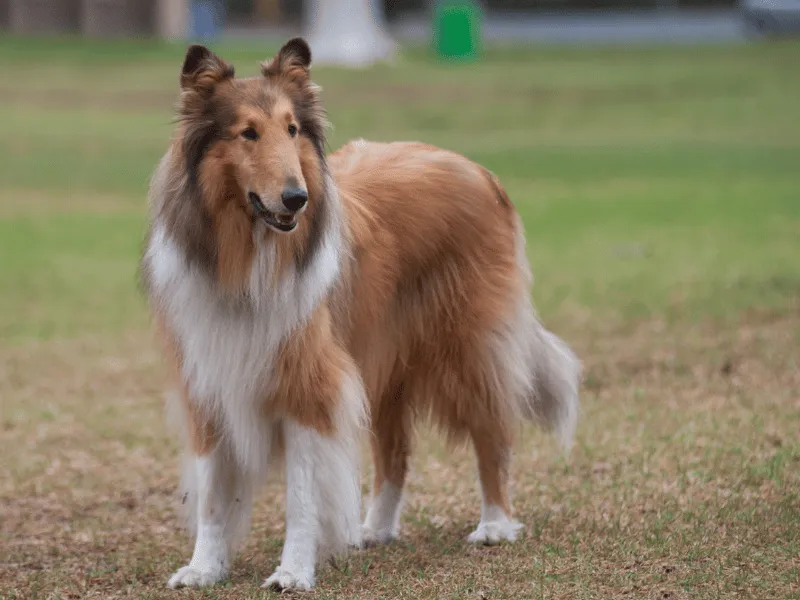
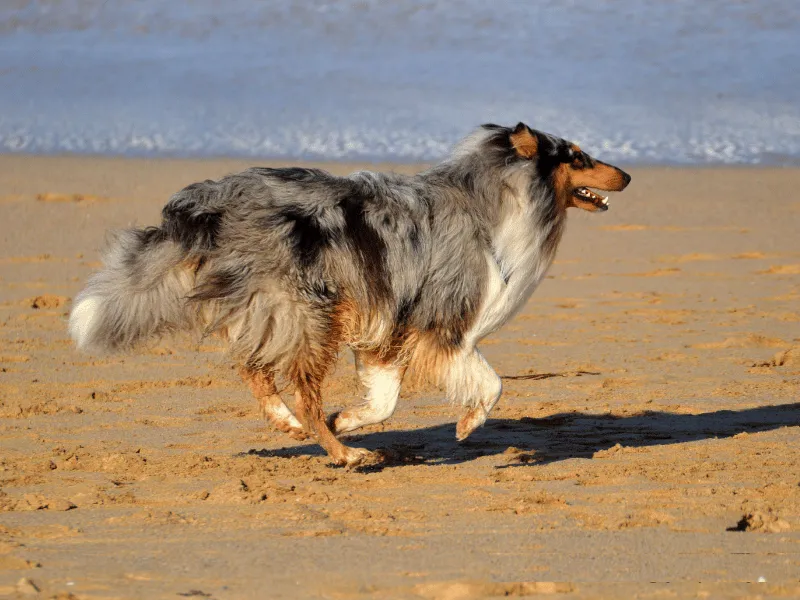
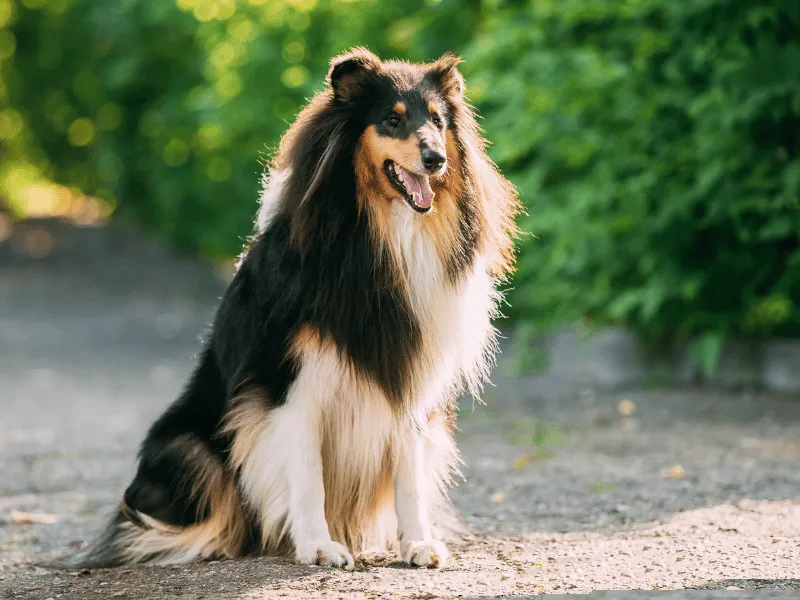
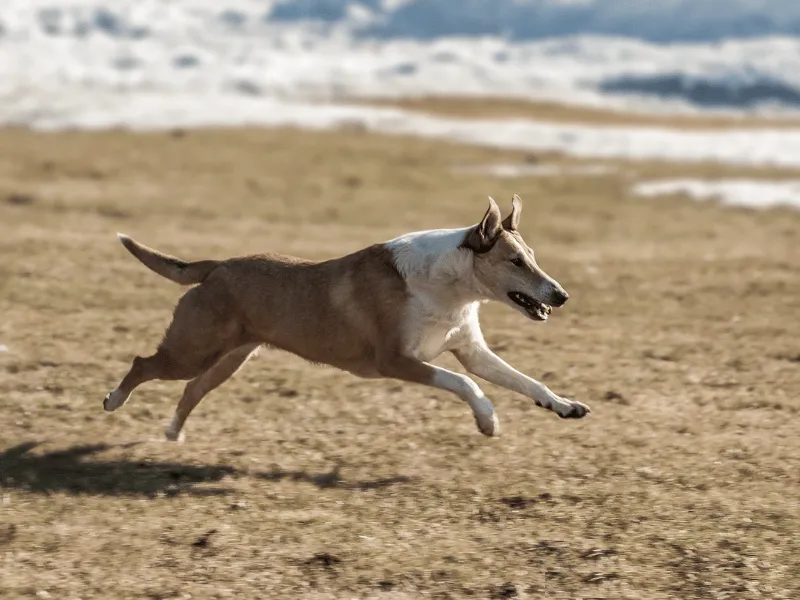
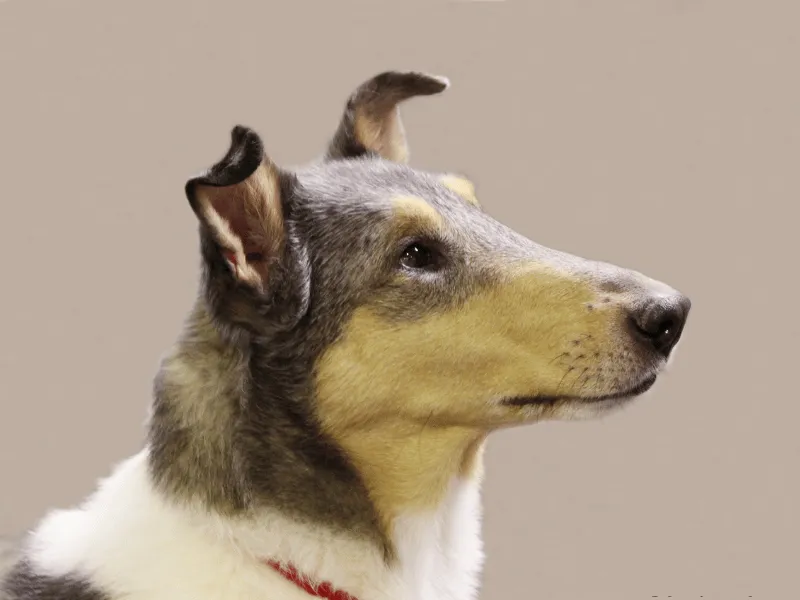
Smooth Collie head profile
Is This the Right Breed for You?
✔ Excellent Match For
- Families who want a gentle, loyal dog that bonds deeply with their people
- Owners who enjoy daily walks, training games, and having an “involved” companion
- People interested in obedience, rally, agility, nosework, therapy work, or canine sports
• Sensitive and smart: they thrive with calm, positive training.
• Moderate energy: steady daily exercise + enrichment is ideal.
• Family-focused: happiest when included in routines, not left out back.
✖ Consider Carefully If
- You want a low-grooming dog (Rough Collies need regular brushing)
- You’re away for long hours every day (can become anxious or vocal)
- You prefer a “hands-off” dog (Collies notice everything and want involvement)
• Barking tendency: many Collies are alert and vocal if under-stimulated.
• Herding instincts: may try to “round up” kids or pets without training.
• Coat management: seasonal shedding and routine care are part of life.
Owner Suitability
“Collies do best with owners who enjoy training and routines. They’re sensitive and people-focused, so they thrive when included in daily life—not left alone for long stretches. Expect regular coat care (especially Rough) and some alert barking without enough enrichment.”Stats:
- Height: 22–26 inches
- Weight: 50–75 pounds
- Coat: Rough: long outer coat + dense undercoat; Smooth: short, dense coat
- Colors: Sable & white, tri-color, blue merle, white
- Lifespan: 12–14 years
Note: Collies come in two coat varieties — Rough and Smooth. Temperament is typically similar, with grooming needs being the biggest difference.
Origin & History
The Collie originated in Scotland and Northern England as a herding dog for sheep and cattle. The name is often linked to black-faced Scottish sheep called “colleys,” and the dogs that worked them.
Collies became widely known through the fictional character Lassie, which showcased the breed’s loyalty, intelligence, and trainability. While modern Collies are more often companions, their herding roots still show up in how closely they watch their environment and people.
Today, Collies are valued as devoted family dogs and often excel in obedience, agility, rally, and therapy work thanks to their gentle nature and biddable temperament.
| Traits: | 1 | 2 | 3 | 4 | 5 |
|---|---|---|---|---|---|
| Energy: Moderate to high energy; needs daily exercise | ✓ | ||||
| Easy To Train: Highly intelligent and eager to please | ✓ | ||||
| Shedding: High; thick double coat releases heavy fur year-round with seasonal blowing. | ✓ | ||||
| Grooming: Rough: High maintenance; Smooth: Moderate | ✓ | ||||
| Family Dog: Excellent with children; gentle and protective | ✓ | ||||
| Watchdog: Alert, but not aggressive | ✓ | ||||
| Beginner Friendly: Good for novice owners with time to groom | ✓ | ||||
| Prey Drive: Moderate; may chase small animals | ✓ | ||||
| Barking: Can be vocal; tendency to alert bark | ✓ | ||||
| Good with other dogs: Proper socialization is important | ✓ |
Health Concerns:
- Collie Eye Anomaly (CEA): Inherited eye disorder
- Progressive Retinal Atrophy (PRA): Can lead to blindness
- Drug Sensitivity (MDR1): Sensitivity to certain medications
- Dermatomyositis: Skin/muscle inflammatory disease
Please check the Canine Health Information Center (CHIC) and parent breed clubs for health information.
Glossary of general canine health conditions.