Curly-Coated Retriever
AKC & CKC Sporting Group
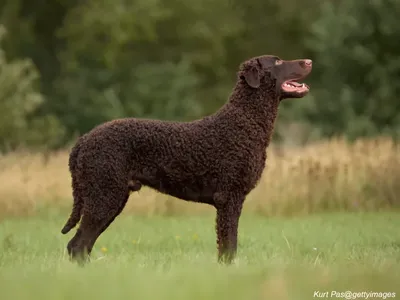
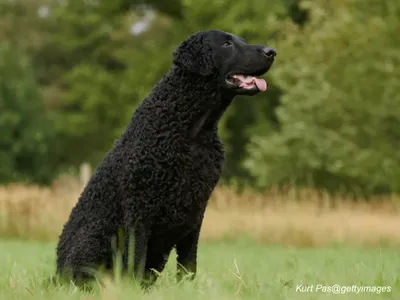
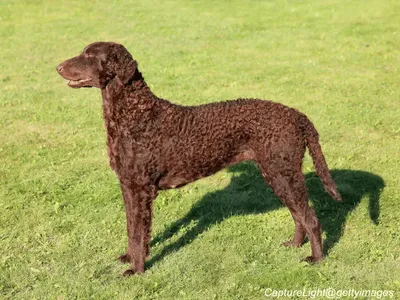
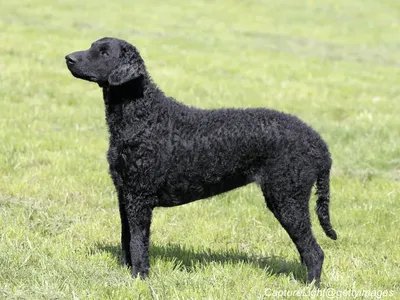
Origin & History
The Curly-Coated Retriever is one of the oldest retriever breeds, developed in England during the late 18th century. Bred as a versatile gun dog, Curlies were prized for their exceptional water retrieving abilities, intelligence, and distinctive tight, waterproof curls that protect them in harsh conditions.
Likely descended from the now-extinct English Water Spaniel, with possible influences from Poodles and Retrievers, this breed was perfected to work tirelessly in both water and field. Though never as popular as other retrievers, Curlies maintain a devoted following among hunters and active families who appreciate their unique qualities.
Today, these elegant dogs excel in hunting, field trials, and as loyal companions for those who can meet their substantial exercise and mental stimulation needs.
Stats:
- Height: 23-27
- Weight: 60-95
- Coat: Tight, crisp curls covering body (smooth on face)
- Colors: Black or liver (no other colors accepted)
- Lifespan: 10-12 years
| Traits: | 1 | 2 | 3 | 4 | 5 |
|---|---|---|---|---|---|
| Energy: Very high; needs vigorous daily exercise and mental challenges | ✓ | ||||
| Easy To Train: Intelligent but independent; can be stubborn | ✓ | ||||
| Shedding: Moderate. Tight curls; seasonal shedding | ✓ | ||||
| Grooming: Low maintenance; occasional brushing and bathing | ✓ | ||||
| Family Dog: Good with children | ✓ | ||||
| Watchdog: Excellent; protective but not aggressive | ✓ | ||||
| Beginner Friendly: Best for active owners | ✓ | ||||
| Prey Drive: Moderater; retrievering instincts | ✓ | ||||
| Barking: Moderate; typically only when necessary | ✓ | ||||
| Good with other dogs: Friendly but can be reserved | ✓ |
Health Concerns:
- Hip Dysplasia: Common in large breeds
- Eye Problems: Including PRA and cataracts
- Exercise-Induced Collapse (EIC): Some lines affected
- Cancer: Higher incidence than some breeds
- Heart Conditions: Including cardiomyopathy
- Glycogen Storage Disease (GSD-III): Metabolic disorder
Please check the Canine Health Information Center (CHIC) and parent breed clubs for health information.
Glossary of general canine health conditions.