Dachshund
AKC & CKC Hound Group



Is This the Right Breed for You?
✔ Excellent Match For
- Those who enjoy a dog with independent, spirited character
- Owners who can provide moderate exercise and mental stimulation
- Individuals or families wanting a lively, entertaining companion
• Compact size: Easy to manage in apartments or small homes.
• Low exercise needs: Moderate daily walks satisfy their activity requirements.
• Excellent watchdog: Alert and vocal, they'll let you know about anything unusual.
✖ Consider Carefully If
- You're looking for an obedient, eager-to-please breed (Dachshunds are independent)
- You dislike barking or have noise-sensitive neighbors
- You have young children who might handle them roughly (back injury risk)
• Back problems: Prone to intervertebral disc disease (IVDD) due to long spine.
• Stubborn streak: Can be willful and challenging to housebreak.
• Digging instincts: Their hunting heritage makes them natural diggers.
Owner Suitability
Dachshunds are charismatic little dogs with outsized personalities. They're loyal, entertaining companions but require patience during training due to their independent nature. Their long backs need special care—prevent jumping on/off furniture and maintain a healthy weight. With proper handling and understanding of their hunting instincts, they make wonderfully devoted pets.Stats:
- Height: Miniature: 5-6" | Standard: 8-9"
- Weight: Miniature: under 11 lbs | Standard: 16-32 lbs
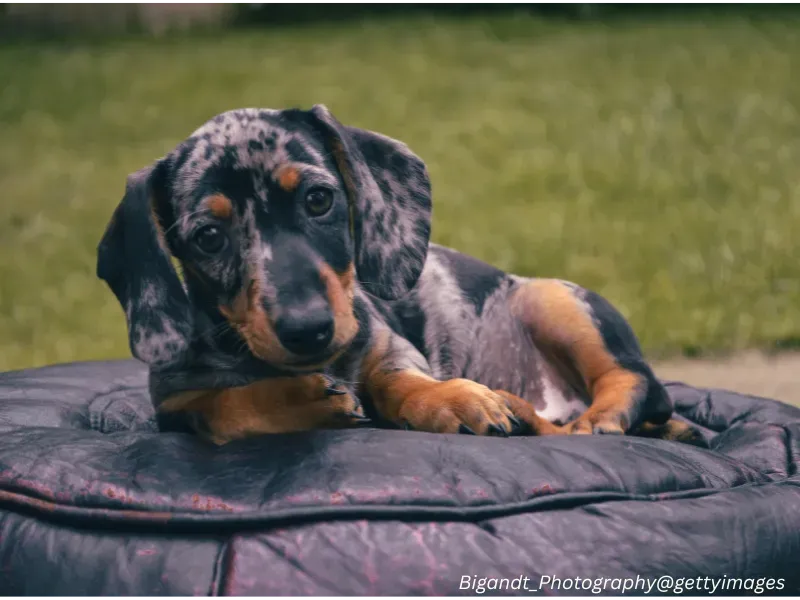
- Coat: Smooth, longhaired, or wirehaired varieties
- Colors: Red, black & tan, chocolate, cream, dapple, piebald
- Lifespan: 12-16 years
Origin & History
The Dachshund originated in Germany in the 15th century, bred to hunt badgers (their name literally means "badger dog" in German). Their long, low bodies were specifically designed to dig into badger dens, with sturdy legs for digging and loud barks to alert hunters.
These spirited little hounds are always ready for adventure. Known for their intelligence and alertness—complete with a surprisingly powerful bark—they make excellent watchdogs. Originally bred to fearlessly hunt prey independently, they can sometimes be bold to a fault and occasionally headstrong.
Their charming personality and distinctive appearance have captivated countless admirers worldwide. The breed comes in two sizes (standard and miniature) and three coat varieties (smooth, wirehaired, and longhaired).
Today, Dachshunds remain popular family companions, their hunting instincts tempered by affectionate natures and adaptable sizes for various living situations.
| Traits: | 1 | 2 | 3 | 4 | 5 |
|---|---|---|---|---|---|
| Energy: Moderate; needs daily exercise and mental stimulation | ✓ | ||||
| Easy To Train: Intelligent but stubborn; requires patient, consistent training | ✓ | ||||
| Shedding: Low to moderate shedders; short coats release minimal fur. | ✓ | ||||
| Grooming: Varies by coat type: Smooth (low), Longhaired/Wirehaired (moderate) | ✓ | ||||
| Family Dog: Loyal and affectionate with family; may be wary of strangers | ✓ | ||||
| Watchdog: Will bark to alert of anything unusual | ✓ | ||||
| Beginner Friendly: Good for first-time owners with patience | ✓ | ||||
| Prey Drive: High; strong hunting instincts remain | ✓ | ||||
| Barking: Frequent; vocal about their observations | ✓ | ||||
| Good with other dogs: Good if socialized early | ✓ |
Health Concerns:
- Intervertebral Disc Disease (IVDD): Spinal condition due to long back
- Obesity: Weight management is crucial
- Patellar Luxation: Slipping kneecaps
- Dental Issues: Prone to periodontal disease
- Eye Conditions: Including progressive retinal atrophy
Please check the Canine Health Information Center (CHIC) and parent breed clubs for health information.
Glossary of general canine health conditions.