Dalmatian
AKC & CKC Non-Sporting Group


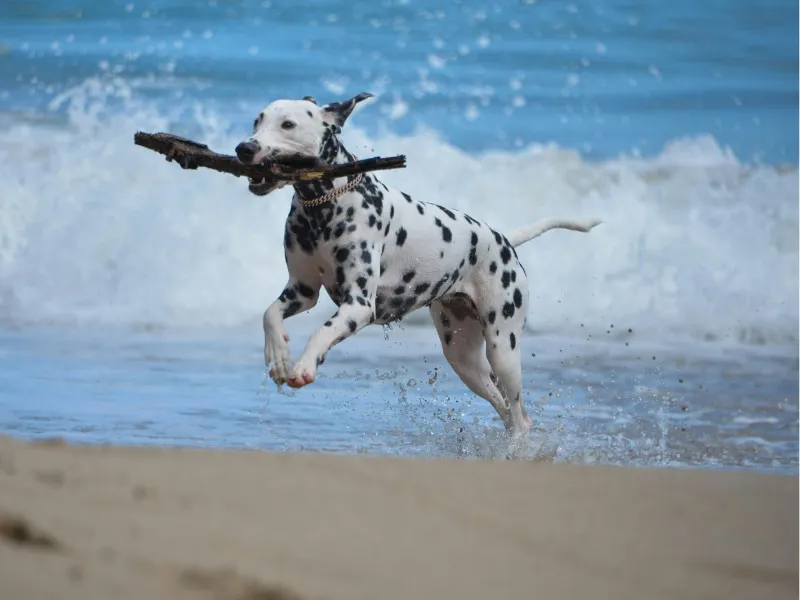
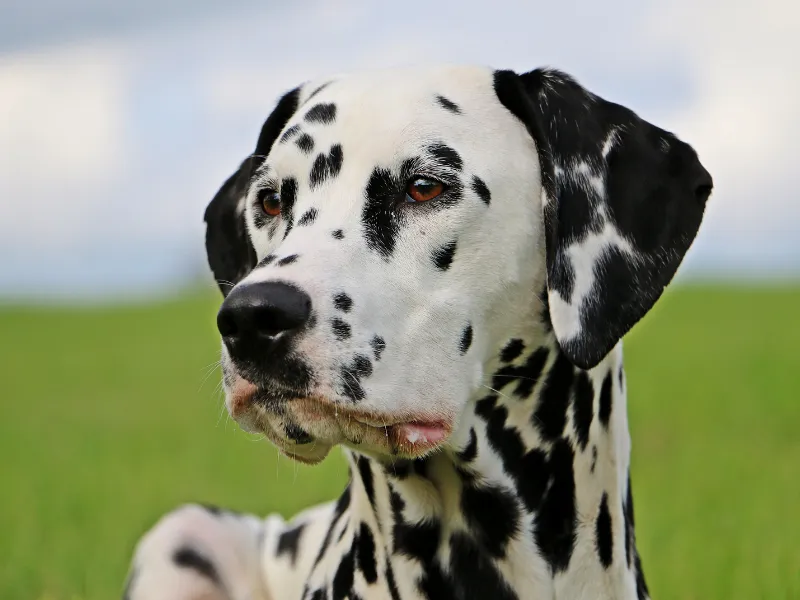
Is This the Right Breed for You?
✔ Excellent Match For
- Active owners who want a sporty companion for running, hiking, or long daily walks
- People who enjoy training and structure (they’re smart, but not “easy mode”)
- Homes that can provide daily exercise plus mental stimulation
• Athletic and enduring: built to trot for miles.
• Loyal and people-oriented: often bonds strongly with family.
• Best with a plan: routines and training prevent chaos.
✖ Consider Carefully If
- You want a low-energy, easygoing dog (they’re high-drive and busy)
- You dislike shedding (they shed year-round)
- You can’t commit to socialization and training (adolescent behavior can be a lot)
• Boredom leads to mischief: exercise + enrichment are essential.
• Some lines have health concerns (hearing and urinary health are notable).
• Not ideal for “set it and forget it” owners.
Owner Suitability
“Dalmatians thrive with active owners who like training and routine. They’re athletic, smart, and loyal—but they need daily exercise, enrichment, and consistent manners. If you want an energetic companion and don’t mind shedding, a Dalmatian can be an amazing match.”Stats:
- Height: 19–24 inches
- Weight: 45–70 pounds
- Coat: Short, dense, sleek (heavy year-round shedding)
- Colors: White with black or liver spots
- Lifespan: 11–13 years
Quick note: Dalmatian puppies are born white; their spots develop over time.
Origin & History
The Dalmatian’s early history is complex, but the breed became especially well known as a carriage dog in 18th-century England, trotting alongside horses and guarding riders’ belongings. Their endurance, alertness, and strong work ethic made them ideal for the job.
Later, Dalmatians became closely associated with firehouses—running with horse-drawn fire equipment, helping clear the way, and acting as steadfast station companions. Their distinctive look and bold presence helped cement their “firehouse dog” reputation.
Today, Dalmatians are beloved for their iconic spotted coat and athletic personality. With proper exercise, training, and responsible breeding, they can be wonderful companions for committed, active homes.
| Traits: | 1 | 2 | 3 | 4 | 5 |
|---|---|---|---|---|---|
| Energy: Very high; needs vigorous daily exercise | ✓ | ||||
| Easy To Train: Intelligent but can be stubborn; needs consistent training | ✓ | ||||
| Shedding: High; short, dense coat releases heavy fur year-round. | ✓ | ||||
| Grooming: Low maintenance; weekly brushing suffices | ✓ | ||||
| Family Dog: Good with older children; may be too energetic for toddlers | ✓ | ||||
| Watchdog: Excellent; alert and protective | ✓ | ||||
| Beginner Friendly: Challenging for first-time owners | ✓ | ||||
| Prey Drive: Moderate to high; may chase small animals | ✓ | ||||
| Barking: Moderate; can be vocal when alerting | ✓ | ||||
| Good with other dogs: Compatibility depends on socialization, temperament, and individual personality; tenedency towards dominance | ✓ |
Health Concerns:
- Deafness: 10-12% are born unilaterally/bilaterally deaf
- Urinary Stones: Prone to urate bladder stones
- Hip Dysplasia: Less common than in large breeds but occurs
- Skin Allergies: Sensitive skin prone to irritations
- Hyperuricemia: Genetic predisposition to high uric acid
- Iris Sphincter Dysplasia: Eye condition affecting night vision
Please check the Canine Health Information Center (CHIC) and parent breed clubs for health information.
Glossary of general canine health conditions.