Dandie Dinmont Terrier
AKC & CKC Terrier Group
Origin & History
The Dandie Dinmont Terrier, one of Scotland's most distinctive terrier breeds, originated in the border country between Scotland and England in the 1700s. Developed to hunt badgers and otters, this unique terrier was named after a character in Sir Walter Scott's novel "Guy Mannering" in 1814, which brought the breed to public attention.
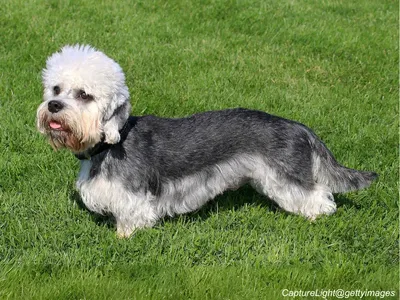
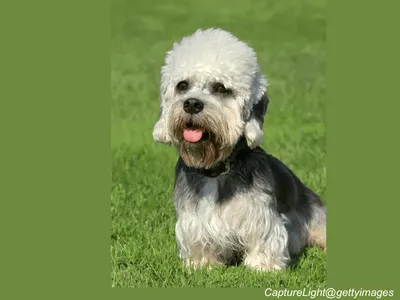
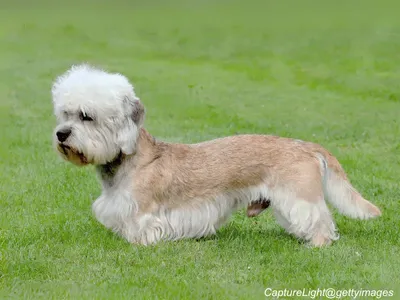
Unlike other terriers, the Dandie Dinmont has a unmistakable silhouette with its large domed head, long body, short legs, and distinctive "topknot" of silky hair. The breed comes in two color varieties: "pepper" (bluish black to silver gray) and "mustard" (reddish brown to fawn).
Today, the Dandie Dinmont Terrier is considered one of the rarest native British breeds, with only about 100-150 puppies registered annually worldwide. They are cherished for their dignified yet comical personality, combining terrier courage with unusual gentleness.
Stats:
- Height: 8-11 inches
- Weight: 18-24 pounds
- Coat: Mixture of hard and soft hair with silky topknot
- Colors: Pepper (blue-black to silver) or mustard (reddish brown to pale fawn)
- Lifespan: 12-15 years
| Traits: | 1 | 2 | 3 | 4 | 5 |
|---|---|---|---|---|---|
| Energy: Moderate; enjoys walks but not hyperactive | ✓ | ||||
| Easy To Train: Intelligent but independent | ✓ | ||||
| Shedding: Very Low; coat does not shed, with dead hair remaining in the coat until brushed out | ✓ | ||||
| Grooming: Moderate; regular brushing and hand-stripping needed | ✓ | ||||
| Family Dog: Affectionate and good with children | ✓ | ||||
| Watchdog: Good; will alert to strangers | ✓ | ||||
| Beginner Friendly: Stubborn but manageable | ✓ | ||||
| Prey Drive: Strong terrier instincts | ✓ | ||||
| Barking: Occasional; not excessively vocal | ✓ | ||||
| Good with other dogs: Can be feisty; best with socialization | ✓ |
Health Considerations
As a rare breed, the Dandie Dinmont Terrier has largely avoided hereditary health issues that plague mass-produced dogs. It’s uncommon to encounter a Dandie with serious genetic disorders, but like all breeds, they are not invulnerable.
Please check the Canine Health Information Center (CHIC)
and parent breed clubs for health information.
Glossary of general canine health conditions.