Danish-Swedish Farmdog
Active & Intelligent Farm Dog
AKC Working Group (Recognized 2025)
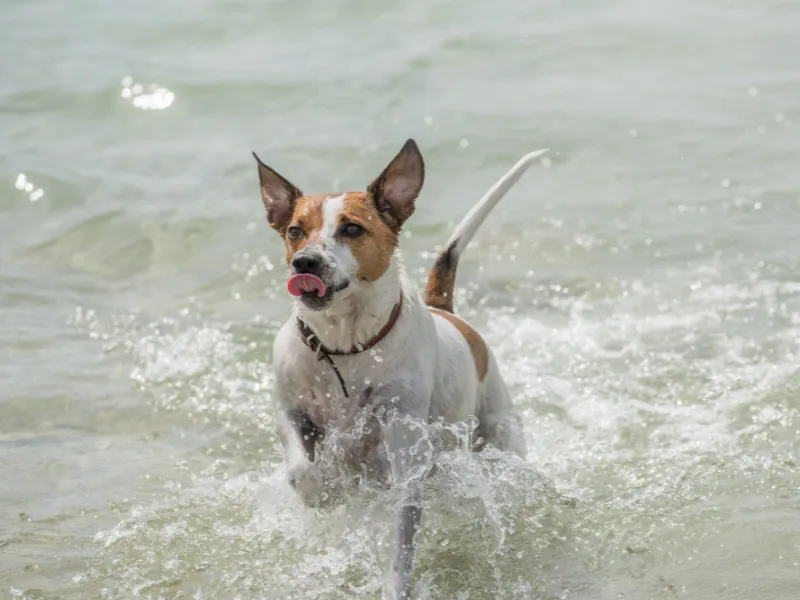
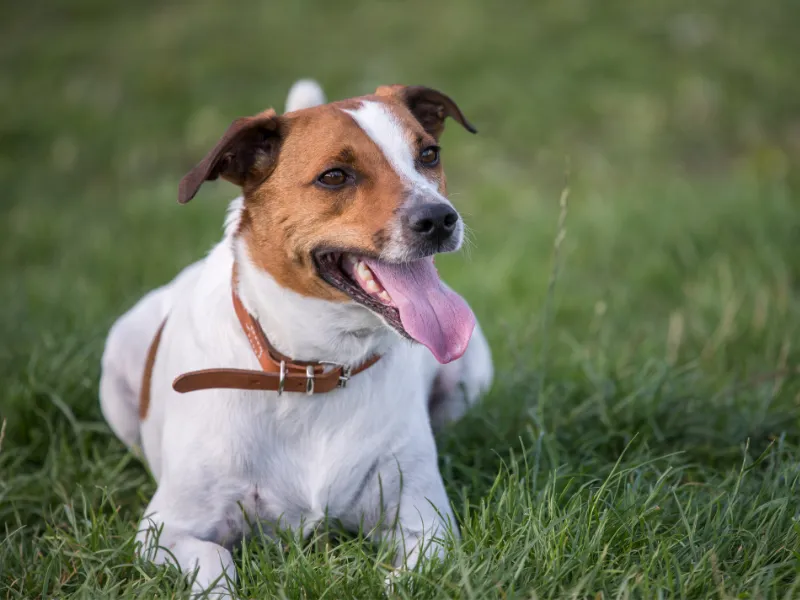
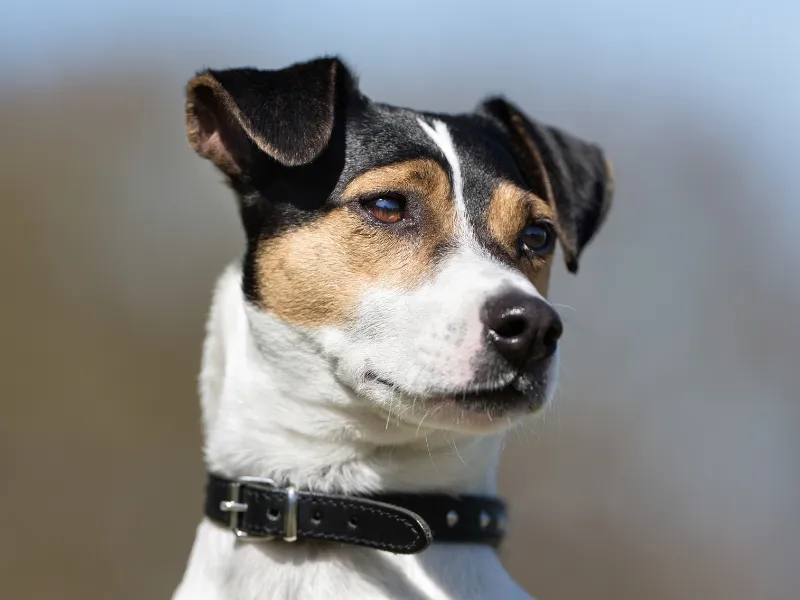
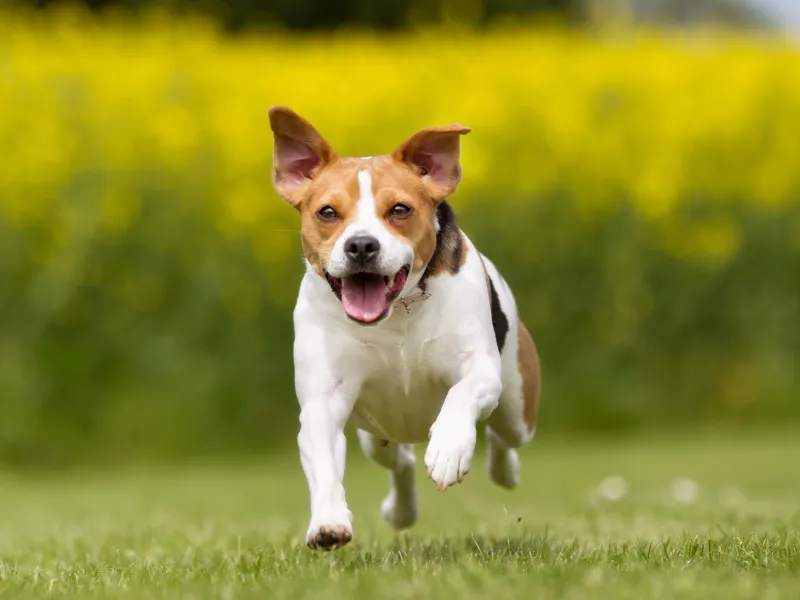
Is This the Right Breed for You?
✔ Excellent Match For
- Active families or individuals who enjoy outdoor activities
- Farm/rural homes needing a versatile ratter and watchdog
- Owners with fenced yards who appreciate an intelligent, biddable breed
- Those seeking a medium‑energy dog that is equally happy playing or cuddling
• Highly trainable: excels in dog sports (agility, obedience, barn hunt).
• Low maintenance grooming: short, smooth coat requires minimal care.
• Excellent with children and other dogs when properly socialized.
✖ Consider Carefully If
- You are away from home for long hours (they need companionship)
- You have no fenced yard – strong prey drive means they may chase small animals
- You dislike a dog that can be vocal (alerts to strangers and noises)
- You want a low‑energy lap dog (they have moderate to high energy)
• Prey drive: may chase squirrels, rabbits, or cats if not supervised.
• Barking tendency: they are excellent watchdogs, but can bark at new sounds.
• Need mental stimulation: boredom can lead to destructive behaviors.
Owner Suitability
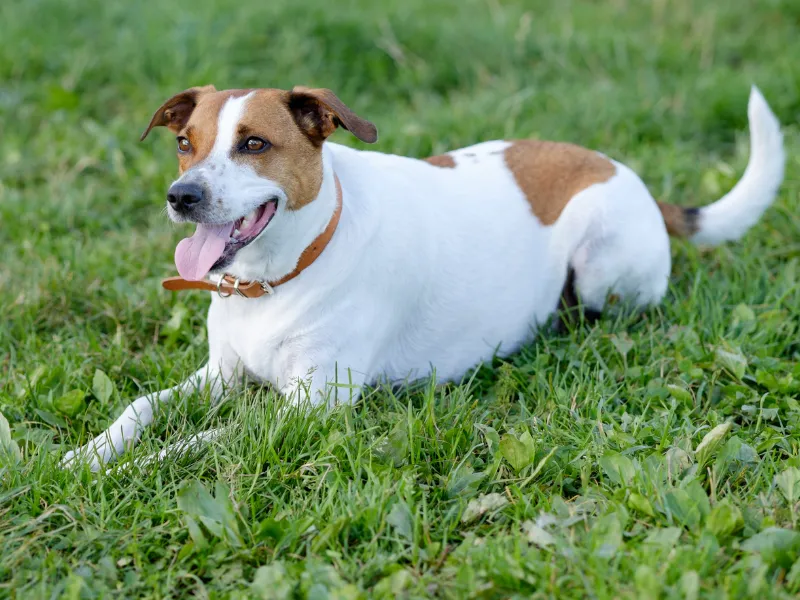
The Danish-Swedish Farmdog is a versatile, intelligent, and affectionate breed that thrives in active households. Originally bred for farm work (ratting, herding, and guarding), they retain a strong work ethic and prey drive. They are fantastic with children and other dogs when raised together, but their small size (15‑20 lbs) and toughness make them sturdy family companions. They require daily exercise and mental challenges, but their coat is easy to maintain. First‑time owners who are committed to training and socialization will find them highly rewarding. Not recommended for sedentary lifestyles or homes without secure fencing.Stats:
- Height: 13-15 inches (33-38 cm)
- Weight: 15-20 pounds (7-9 kg)
- Coat: Short, smooth, close‑lying
- Colors: White with patches of brown, black, or tan; also tri‑color
- Lifespan: 12-15 years (often longer)
Note: This breed is also known as the Dansk‑svensk Gårdshund. They are excellent ratters and watchdogs.
Origin & History
The Danish-Swedish Farmdog (DSF) originated in Denmark and southern Sweden, where it has been a cherished farm dog for centuries. Unlike many purebreds, it was bred primarily for function – hunting rats, herding livestock, and alerting farmers to intruders – rather than for show. The breed nearly disappeared after World War II but was revived by dedicated enthusiasts in the 1980s.
The Danish-Swedish Farmdog achieved full AKC recognition on January 1, 2025, becoming the AKC's 202nd recognized breed.
It is the smallest breed in the Working Group and excels in dog sports (agility, barn hunt, obedience) while remaining a versatile, hard‑working family dog that adapts well to both farm life and suburban homes – provided it gets enough exercise and mental stimulation.
| Traits: | 1 | 2 | 3 | 4 | 5 |
|---|---|---|---|---|---|
| Energy: Moderate to high – needs daily exercise (walks + play) | ✓ | ||||
| Easy To Train: Very intelligent, eager to please, learns quickly | ✓ | ||||
| Shedding: Low – short coat, minimal shedding | ✓ | ||||
| Grooming: Minimal – occasional brush and wipe down | ✓ | ||||
| Family Dog: Excellent with children; bonds closely with family | ✓ | ||||
| Watchdog: Alert and vocal – barks to announce visitors | ✓ | ||||
| Beginner Friendly: Good for first‑time owners who are active and consistent | ✓ | ||||
| Prey Drive: High – will chase small animals (ratters by nature) | ✓ | ||||
| Barking: Moderate – will bark to alert, but can be managed with training | ✓ | ||||
| Good with other dogs: Excellent; enjoys play with other dogs | ✓ |
Health Concerns:
- Patellar Luxation: Slipping kneecaps – common in small breeds
- Eye Issues: Progressive Retinal Atrophy (PRA) and cataracts
- Hip Dysplasia: Less common but can occur
- Dental Issues: Regular dental care recommended
- Legg‑Calvé‑Perthes Disease: Deterioration of the hip joint's femoral head
- Epilepsy: Seizure disorders reported in some lines
Please check the Canine Health Information Center (CHIC) and parent breed clubs for health information.
Glossary of general canine health conditions.