German Wirehaired Pointer
AKC & CKC Sporting Group
The Versatile Hunting Dog
Is This the Right Breed for You?
✔ Excellent Match For
- Active hunters seeking a versatile gun dog for land and water
- Outdoor enthusiasts who hike, run, or spend weekends in the field
- Owners committed to providing both physical and mental challenges
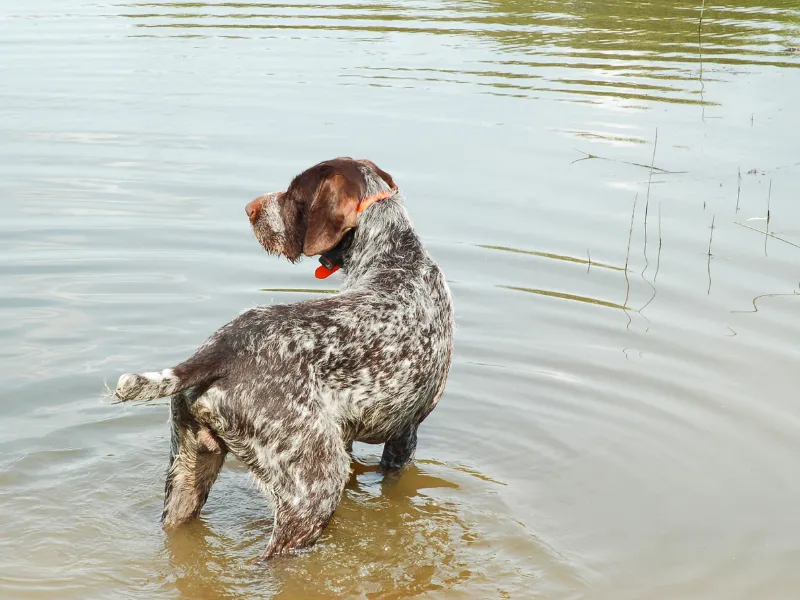
• True versatility: Points, retrieves, tracks—excellent on land and in water.
• Weather-resistant coat: Wiry outer layer protects in harsh conditions.
• Biddable nature: Eager to please and highly trainable for experienced owners.
✖ Consider Carefully If
- You're a first-time dog owner (they need experienced handling)
- You want a low-maintenance couch potato
- You're not prepared for their strong prey drive and independence
• High energy demand: Needs vigorous daily exercise and mental stimulation.
• Strong-willed streak: Requires consistent, patient training.
• Coat maintenance: Regular stripping or grooming to maintain wiry texture.
Owner Suitability
The German Wirehaired Pointer is a purpose-bred hunting dog through and through—intelligent, energetic, and endlessly capable. This is not a casual pet; it's a working partner that requires a job, whether that's hunting, dog sports, or long days of outdoor adventure. In the right home with an experienced, active owner who appreciates their versatility and drive, the GWP is an unparalleled companion. For those not prepared for their energy and independence, they can be overwhelming. But for the right person, there's no better partner in the field.Stats:
- Height: 22-26 inches
- Weight: 50-70 pounds
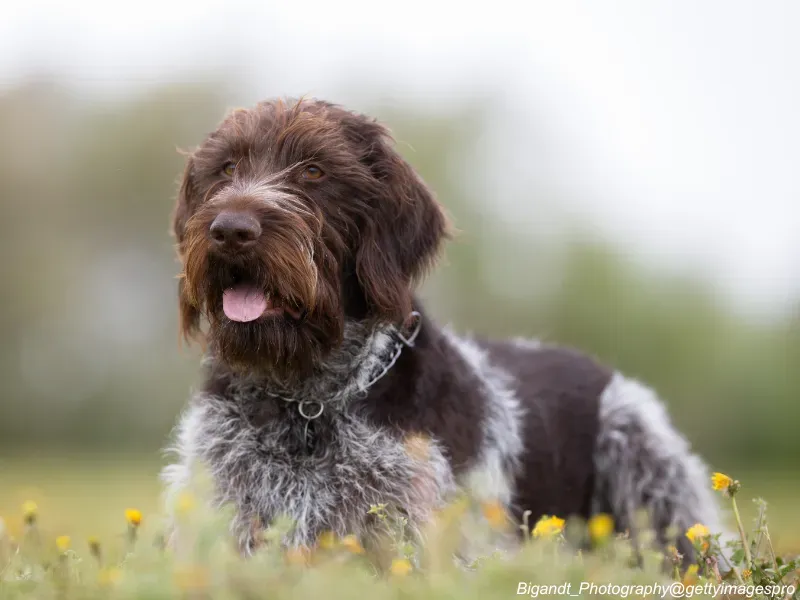
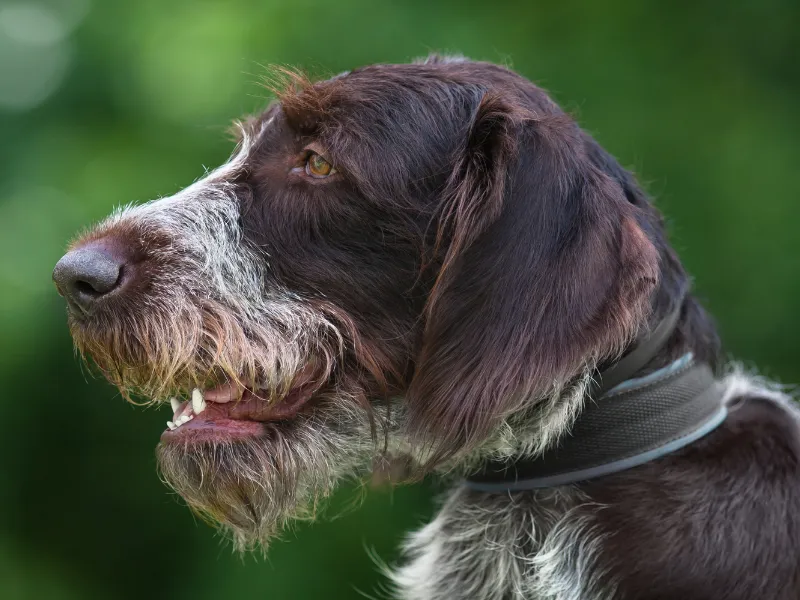
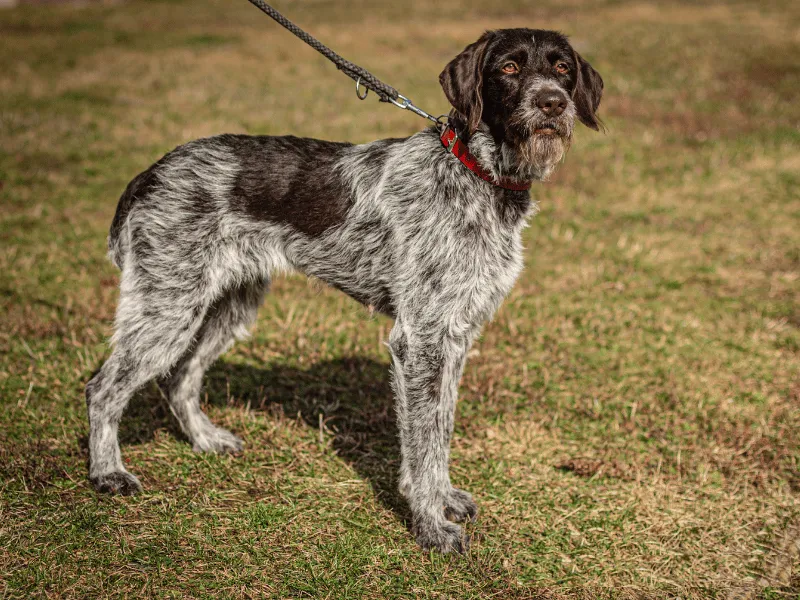
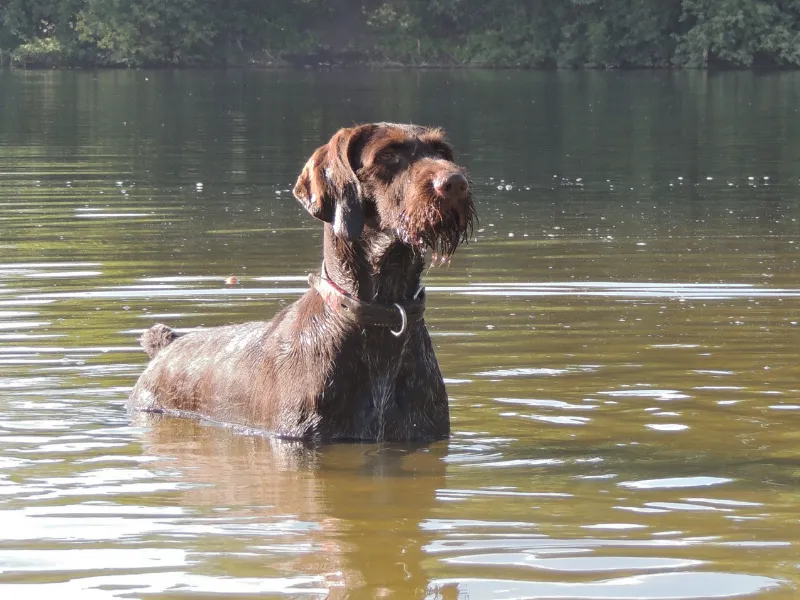
- Coat: Weather-resistant double coat with wiry outer layer and distinctive facial furnishings
- Colors: Liver and white, solid liver, or roan patterns (liver roan is most common)
- Lifespan: 14-16 years
Origin & History
The German Wirehaired Pointer was developed in late 19th century Germany as a versatile hunting dog capable of working in all terrains and weather conditions. German hunters sought to create the ultimate all-purpose gun dog—one that could point, retrieve, track wounded game, and work both on land and in water with equal enthusiasm. Breeders crossed various German hunting dogs including the Pudelpointer, Griffon, and German Shorthaired Pointer to create this rugged, weather-resistant hunting companion. The result was a dog with the wire coat for protection, the intelligence for complex tasks, and the drive for demanding work.
This breed was specifically designed to be an all-purpose gun dog that could handle the varied demands of European hunting—from waterfowl in cold marshes to upland game in thorny thickets. Their distinctive wiry coat provides protection from harsh weather and rough terrain, while their dense undercoat keeps them warm in cold water. The breed standard was formalized in 1902, and they quickly gained popularity among German hunters who valued their versatility and endurance.
Known for their endurance and intelligence, German Wirehaired Pointers excel in various dog sports and hunting tests today. Their versatility and strong work ethic make them excellent companions for outdoor enthusiasts who hunt, hike, or participate in dog sports like hunt tests, field trials, and obedience. While still primarily a working breed, GWPs have found devoted fans among active families who appreciate their loyalty, intelligence, and distinctive bearded appearance. Their longer lifespan compared to many larger breeds is a testament to their robust constitution and careful breeding.
| Traits: | 1 | 2 | 3 | 4 | 5 |
|---|---|---|---|---|---|
| Energy: Very high energy; needs extensive daily exercise | ✓ | ||||
| Easy To Train: Intelligent and eager to please; responds well to training | ✓ | ||||
| Shedding: Low; harsh, wiry double coat releases minimal fur. | ✓ | ||||
| Grooming: Moderate; weekly brushing and occasional hand-stripping | ✓ | ||||
| Family Dog: Good with children when properly exercised and trained | ✓ | ||||
| Watchdog: Protective and alert | ✓ | ||||
| Beginner Friendly: Better for experienced dog owners | ✓ | ||||
| Prey Drive: Very high; strong hunting instincts | ✓ | ||||
| Barking: Moderate; will alert bark when necessary | ✓ | ||||
| Drooling: Low; not known for excessive drooling | ✓ |
Health Concerns:
- Hip Dysplasia: Common in larger breeds
- Eye Conditions: Including entropion and cataracts
- Hypothyroidism: Endocrine system disorder
- Von Willebrand's Disease: Blood clotting disorder
Please check the Canine Health Information Center (CHIC) and parent breed clubs for health information.
Glossary of general canine health conditions.