Great Dane
Apollo of Dogs
AKC & CKC Working Group


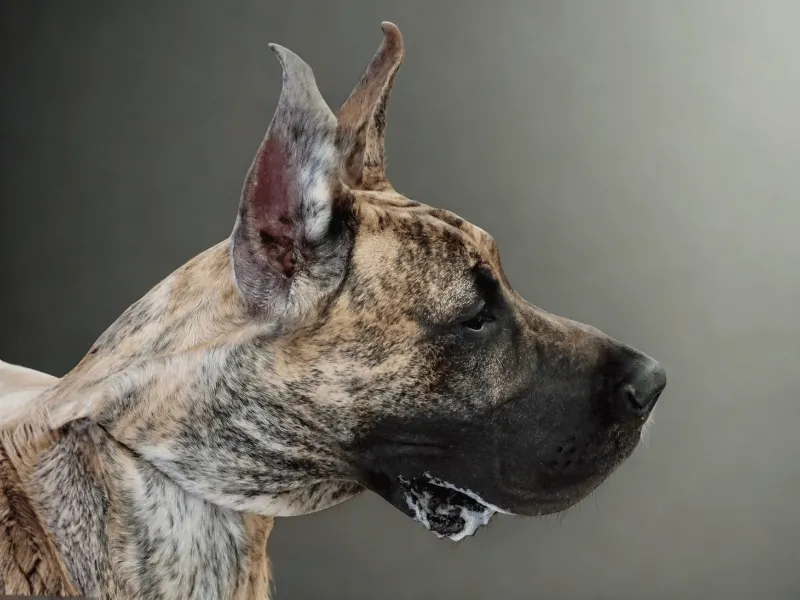
Is This the Right Breed for You?
✔ Excellent Match For
- Families with space who want a gentle, affectionate "gentle giant"
- Experienced dog owners prepared for giant breed challenges
- Homes seeking a loyal companion with moderate exercise needs
• Gentle nature: famously good with children despite their size
• Moderate energy: enjoys walks but is often a "couch dog" indoors
• Strong family bonds: thrives as a full-time family member
✖ Consider Carefully If
- You have limited space or live in a small apartment
- You're on a tight budget (food, vet care, and supplies are expensive)
- You want a long-lived breed (Great Danes have shorter lifespans)
• Space requirements: needs room to move and appropriate-sized furniture
• Cost considerations: everything from food to crates is giant-sized
• Health concerns: prone to bloat, joint issues, and heart conditions
Owner Suitability
The Great Dane is a magnificent companion that requires specific ownership considerations. While gentle and loving, their size brings unique challenges. Success depends on proper training, socialization, and commitment to their health needs.Stats:
- Height: 28-34 inches
- Weight: 110-175 pounds
- Coat: Short, smooth, and glossy
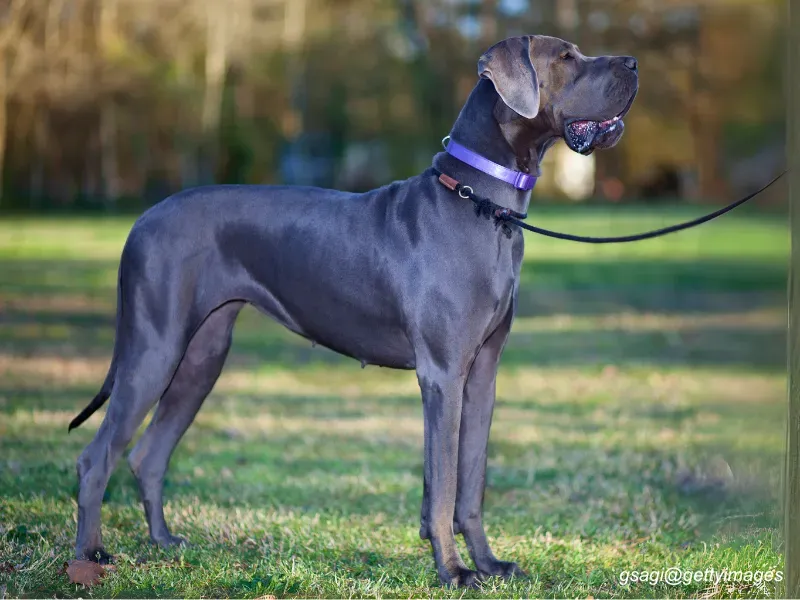
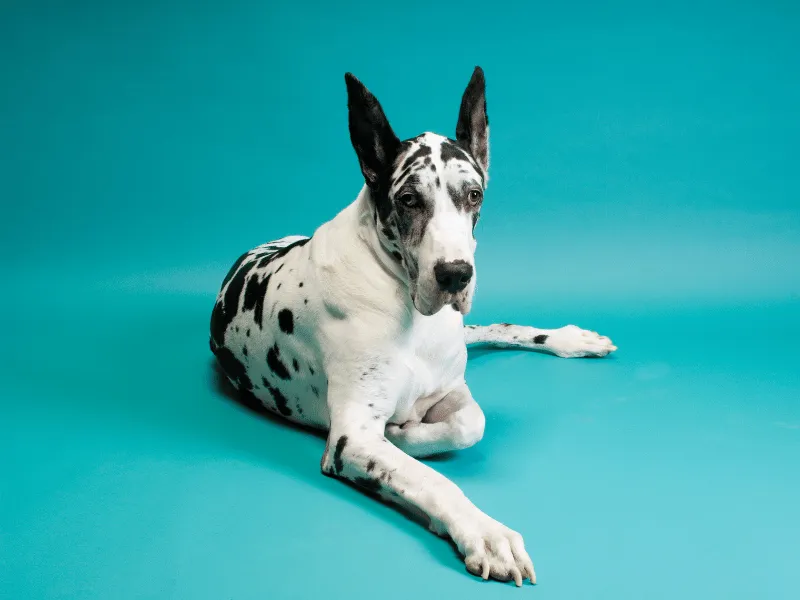
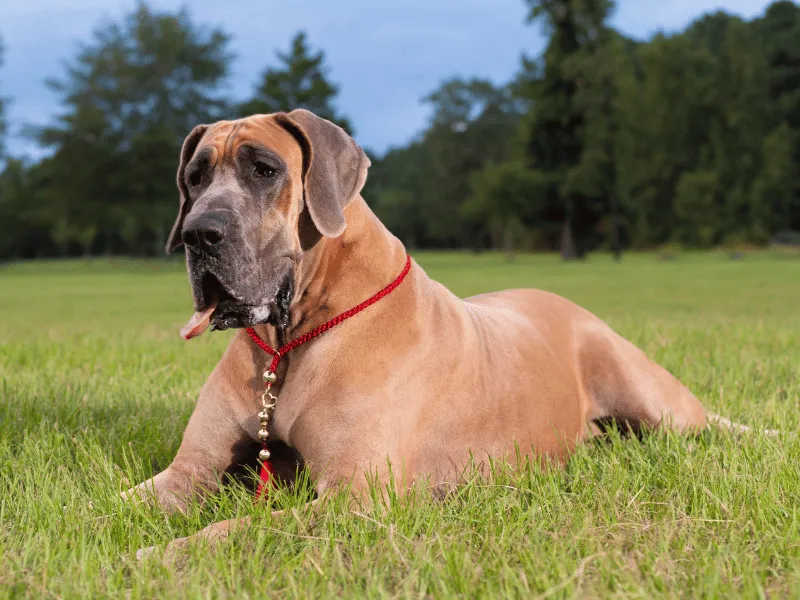
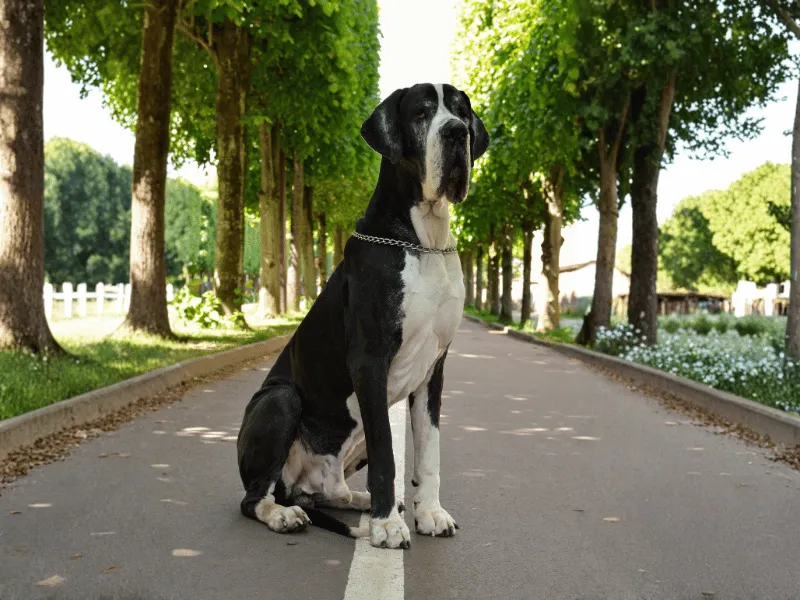
- Colors: Fawn, brindle, blue, black, harlequin, mantle
- Lifespan: 7-10 years
Origin & History
The Great Dane originated in Germany over 400 years ago, developed from mastiff-type dogs crossed with Irish Wolfhounds. Originally bred as boar hunters, these powerful dogs were later used as estate guardians. Despite the name "Great Dane," the breed was refined in Germany, earning the nickname "Apollo of Dogs" for its majestic appearance.
- Bred for hunting wild boar in German forests
- Transitioned to estate guardians and noble companions
- Officially recognized as Germany's national dog
- One of the world's tallest dog breeds
By the late 1800s, Great Danes had transitioned from working dogs to beloved companions of European nobility. Today, while still imposing in size, most Great Danes serve as gentle family companions. With their elegant stature and kind expression, Great Danes combine nobility with affectionate natures, forming deep bonds with their human families.
| Traits: | 1 | 2 | 3 | 4 | 5 |
|---|---|---|---|---|---|
| Energy: Needs regular exercise | ✓ | ||||
| Easy To Train: Intelligent and eager to please; responds well to training | ✓ | ||||
| Shedding: Moderate; short, fine coat releases a steady amount of fur. | ✓ | ||||
| Grooming: Low maintenance; weekly brushing and occasional baths | ✓ | ||||
| Family Dog: Excellent with families; gentle and patient with children | ✓ | ||||
| Watchdog: Excellent watchdog | ✓ | ||||
| Beginner Friendly: Suitable for dedicated first-time owners; challenging due to size. | ✓ | ||||
| Prey Drive: Moderate; may chase small animals | ✓ | ||||
| Barking: Moderate; typically only when necessary | ✓ | ||||
| Good with other dogs: If properly socialized when young. | ✓ |
Health Concerns:
- Bloat (GDV): Life-threatening emergency (especially critical for this breed)
- Hip Dysplasia: Common in giant breeds
- Cardiomyopathy: Heart muscle disease
- Wobbler Syndrome: Cervical spinal instability
- Osteosarcoma: Bone cancer common in large breeds
- Hypothyroidism: Underactive thyroid gland
Please check the Canine Health Information Center (CHIC) and parent breed clubs for health information.
Glossary of general canine health conditions.