
Is This the Right Breed for You?
✔ Excellent Match For
- Apartment dwellers and those with limited space
- Families with children looking for a gentle, playful companion
- Allergy sufferers (considered hypoallergenic)
- First-time dog owners seeking an adaptable, trainable breed
• Excellent apartment dogs: small size, moderate exercise needs, and relatively quiet.
• Hypoallergenic: low-shedding coat suitable for many allergy sufferers.
• Highly social: thrives on human companionship and family interaction.
✖ Consider Carefully If
- You dislike regular grooming and coat maintenance
- You want a completely independent, low-attention dog
- You're away from home for long hours regularly
- You prefer a large, athletic outdoor dog
• High-maintenance coat: requires regular brushing to prevent matting.
• Prone to separation anxiety: doesn't do well when left alone for extended periods.
• Needs regular professional grooming: typically every 4-6 weeks.
Owner Suitability
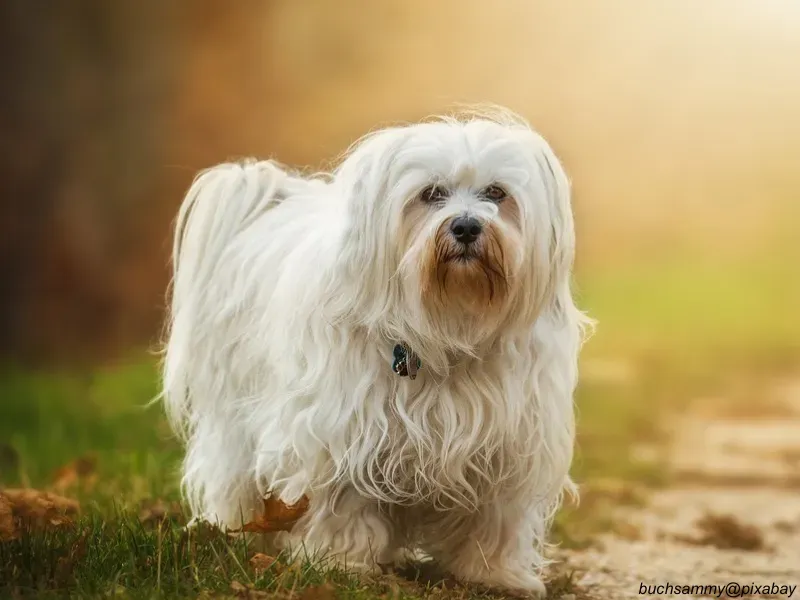
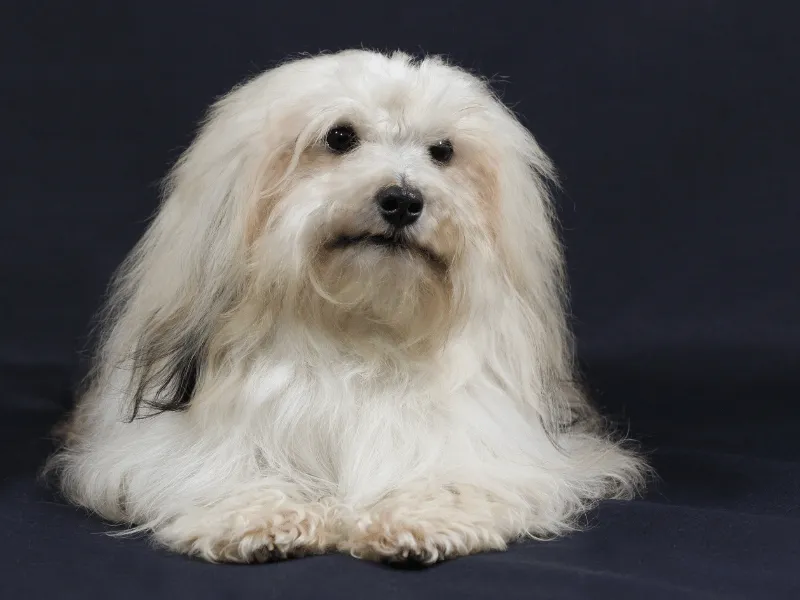
The Havanese is a cheerful, affectionate toy breed that excels as a family companion and adapts well to apartment living. Their hypoallergenic coat makes them suitable for allergy sufferers, but prospective owners should be prepared for the grooming commitment their long, silky coat requires. Their social nature means they thrive in homes where they won't be left alone for long periods.Stats:
- Height: 8.5-11.5 inches
- Weight: 7-13 pounds
- Coat: Long, silky, wavy double coat
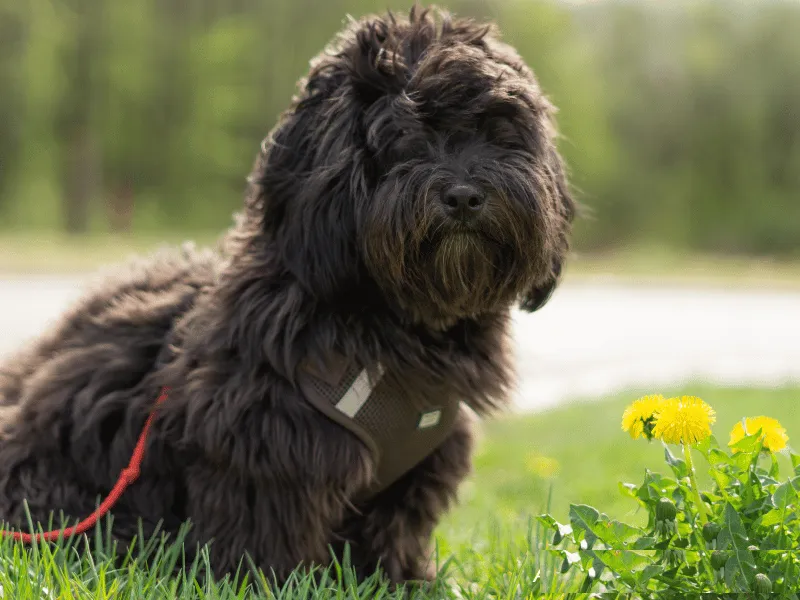
- Colors: All colors including white, cream, gold, black, silver, blue, and parti-colors
- Lifespan: 14-16 years
Note: Havanese are considered hypoallergenic but require regular grooming to maintain their coat.
Origin & History
The Havanese is Cuba's only native breed, developed from now-extinct European companion dogs brought to Cuba by Spanish settlers in the 16th century. These small dogs became favorites of Cuban aristocracy and were often seen in the homes of wealthy families in Havana, from which they get their name.
Today, these adaptable, cheerful little dogs are prized as family companions and therapy dogs, known for their affectionate nature and distinctive silky coat.
| Traits: | 1 | 2 | 3 | 4 | 5 |
|---|---|---|---|---|---|
| Energy: Moderate energy; enjoys play but doesn't require intense exercise | ✓ | ||||
| Easy To Train: Intelligent and eager to please; responds well to positive training | ✓ | ||||
| Shedding: Low; silky hair releases minimal fur. | ✓ | ||||
| Grooming: Higher maintenance; requires regular brushing and professional grooming | ✓ | ||||
| Family Dog: Excellent with children and makes a wonderful family companion | ✓ | ||||
| Watchdog: Good alert dog; will bark to notify of strangers | ✓ | ||||
| Beginner Friendly: Excellent choice for first-time dog owners | ✓ | ||||
| Prey Drive: Minimal; generally gets along with other pets | ✓ | ||||
| Barking: Can be vocal if not trained; tendency to alert bark | ✓ | ||||
| Good with other dogs: Excellent; gets along well with other dogs | ✓ |
Health Concerns:
- Patellar Luxation: Common in small breeds
- Hip Dysplasia: Less common than in larger breeds but possible
- Legg-Calvé-Perthes Disease: Affects hip joint in small dogs
- Progressive Retinal Atrophy: Can lead to blindness
- Deafness: Occurs in some bloodlines
- Liver Shunts: Congenital condition affecting liver function
Please check the Canine Health Information Center (CHIC) and parent breed clubs for health information.
Glossary of general canine health conditions.