Hovawart
CKC Working Group



Origin & History
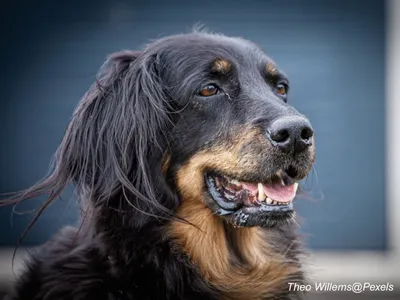
The Hovawart is an ancient German breed whose name translates to "yard watchman" or "farm guard" from Middle High German. This versatile working dog dates back to the Middle Ages, where it was prized for guarding homesteads and livestock.
After nearly becoming extinct, the breed was revived in the early 20th century by Kurt König and other enthusiasts who carefully reconstructed the Hovawart using remaining farm dogs that matched historical descriptions, along with strategic outcrosses to similar breeds.
The Hovawart has gained popularity in Europe as both a working dog and family companion. While still relatively rare in North America, the breed is valued for its intelligence, versatility, and balanced temperament.
Today, Hovawarts excel in various roles including search and rescue, tracking, protection work, and as therapy dogs, while maintaining their traditional guarding instincts.
Stats:
- Height: 23-28 inches
- Weight: 65-90
- Coat: Long, slightly wavy double coat with dense undercoat
- Colors: Black, black & gold, or blond
- Lifespan: 10-14 years
Note: The Hovawart matures slowly, both physically and mentally, reaching full maturity around 3-4 years of age. They maintain a playful, youthful demeanor throughout their lives.
| Traits: | 1 | 2 | 3 | 4 | 5 |
|---|---|---|---|---|---|
| Energy: Needs daily exercise and mental stimulation | ✓ | ||||
| Easy To Train: Intelligent and eager to please, but requires consistent training | ✓ | ||||
| Grooming: Moderate; weekly brushing needed, seasonal heavy shedding | ✓ | ||||
| Family Dog: Good with children when properly socialized | ✓ | ||||
| Watchdog: Excellent natural guardian with strong protective instincts | ✓ | ||||
| Beginner Friendly: Best for experienced dog owners | ✓ | ||||
| Prey Drive: Moderate; can be managed with training | ✓ | ||||
| Barking: Will alert to perceived threats | ✓ | ||||
| Good with other dogs: Ok if properly socialized | ✓ |
Health Concerns:
From the Hovawart Club of North America: "There are no known issues of breed-specific diseases and hip dysplasia rates have been calculated at less than 5%. For a large breed dog, this is an exceptionally low rate."
The Hovawart is currently not listed with the Canine Health
Information Center (CHIC).Please see parent breed clubs for health information.
Glossary of general canine health conditions.