Karelian Bear Dog
CKC Working Group

Origin & History
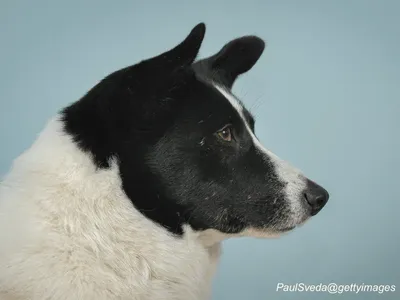
The Karelian Bear Dog is an ancient Finnish breed developed in the northwestern region of Karelia (now divided between Finland and Russia) for hunting large game including bears, moose, and wild boar. These fearless dogs have been used for centuries by Nordic hunters.
The breed nearly went extinct during World War II but was revived by Finnish breeders in the 1940s. The first Karelian Bear Dogs were registered in Finland in 1946, and the breed standard was established that same year.
While still primarily used as a hunting dog in Scandinavia, the Karelian Bear Dog has gained international attention for its work in wildlife management, particularly in bear conflict resolution programs in North America where they are used to haze bears away from human settlements.
This breed remains relatively rare outside of Finland but is highly valued by hunters and outdoors enthusiasts for its courage, stamina, and distinctive black-and-white coat.
Stats:
- Height: 19-24 inches
- Weight: 44-49 lbs
- Coat: Double coat with straight, stiff guard hairs and soft undercoat
- Colors: Black with distinct white markings
- Lifespan: 11-13 years
Note: The Karelian Bear Dog is considered a national treasure of Finland and remains very popular in its native country.
| Traits: | 1 | 2 | 3 | 4 | 5 |
|---|---|---|---|---|---|
| Energy: Bred for endurance hunting in harsh conditions | ✓ | ||||
| Easy To Train: Intelligent but independent; requires experienced handling | ✓ | ||||
| Grooming: Moderate; weekly brushing, seasonal heavy shedding | ✓ | ||||
| Family Dog: Loyal but best for experienced owners; may be reserved with strangers | ✓ | ||||
| Watchdog: Excellent; naturally protective and alert | ✓ | ||||
| Beginner Friendly: Not recommended for first-time owners | ✓ | ||||
| Prey Drive: Extremely high; strong hunting instincts | ✓ | ||||
| Barking: Frequent; vocal when working or alerting | ✓ | ||||
| Good with other dogs: Can be dog aggressive | ✓ |
Health Concerns:
The Karelian Bear Dog is not currently listed with the Canine Health Information Center (CHIC). Please see parent breed clubs for health testing recommendations.
Glossary of general canine health conditions.