Keeshond
AKC & CKC Non-Sporting Group
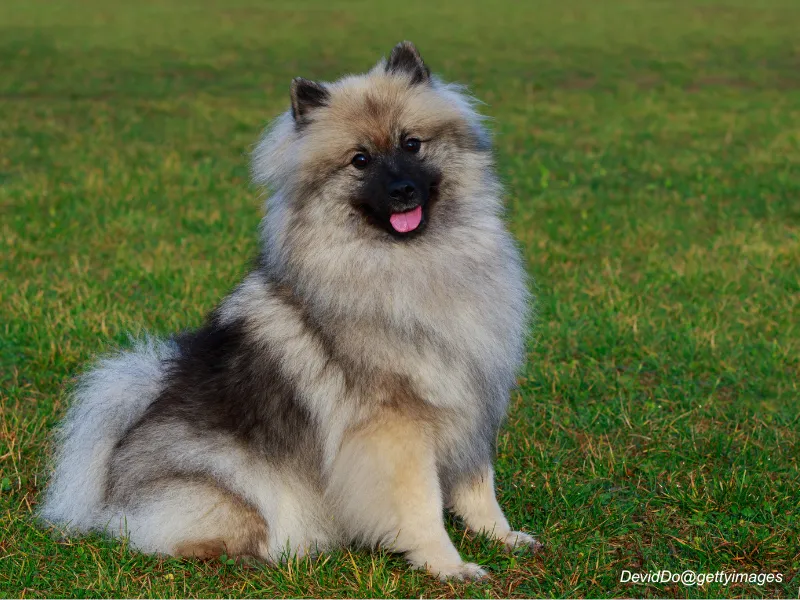

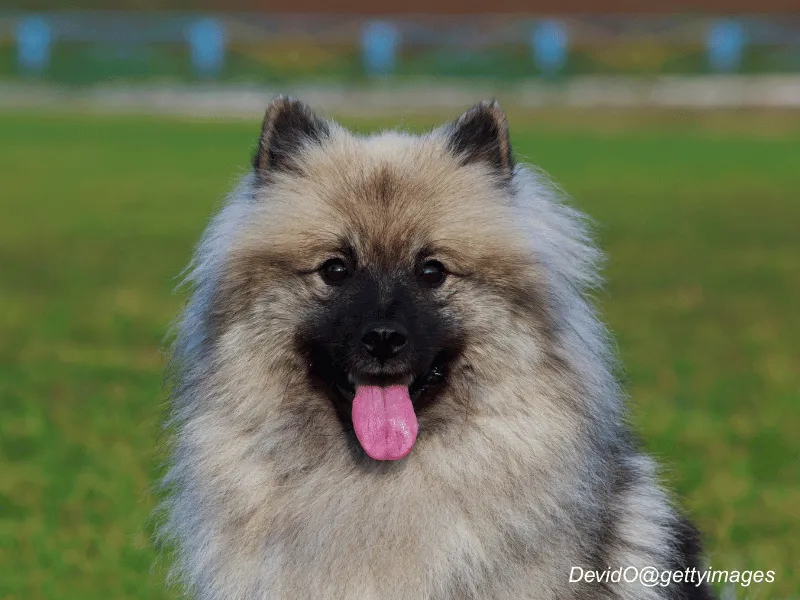
Origin & History
The Keeshond originated in Holland as a barge dog and companion, descending from the same ancestors as other Arctic spitz breeds. They were bred to be alert watchdogs on Dutch barges and riverboats, as well as companions to the boatmen and their families. Their distinctive "spectacles" - markings around the eyes - give them an intelligent, expressive appearance.
After nearly disappearing during political upheavals in Holland, the breed was revived by Baroness van Hardenbroek in the 1920s. The AKC recognized the Keeshond in 1930. Today, they remain excellent companions known for their cheerful disposition and striking wolf-like appearance with a luxurious coat.
Keeshonden (the proper plural form) are sometimes called "the smiling Dutchman" due to their characteristic happy expression. They excel in obedience, agility, and as therapy dogs while maintaining their watchdog abilities.
Stats:
- Height: 17-18 inches
- Weight: 35-45 pounds
- Coat: Long, straight, stand-off double coat with thick ruff
- Colors: Gray, black, and cream mixture with distinctive markings
- Lifespan: 12-15 years
Note: Keeshonden are highly social dogs that don't do well when left alone for long periods. Their cheerful personality and moderate exercise needs make them excellent companions for apartment dwellers and families alike.
| Traits: | 1 | 2 | 3 | 4 | 5 |
|---|---|---|---|---|---|
| Energy: Moderate; enjoys daily walks and playtime | ✓ | ||||
| Easy To Train: Highly intelligent and eager to please | ✓ | ||||
| Shedding: High; plush double coat sheds moderately year-round and heavily during seasonal "blowing" period. | ✓ | ||||
| Grooming: Moderate; weekly brushing needed, heavy shedding twice yearly | ✓ | ||||
| Family Dog: Excellent with children and other pets | ✓ | ||||
| Watchdog: Excellent; alert and vocal but not aggressive | ✓ | ||||
| Beginner Friendly: Great choice for first-time owners | ✓ | ||||
| Prey Drive: Low; gets along well with other animals | ✓ | ||||
| Barking: Frequent; tends to be vocal | ✓ | ||||
| Good with other dogs: Friendly & sociable | ✓ |
Health Concerns:
- Hip Dysplasia: Though less common than in larger breeds
- Patellar Luxation: Kneecap dislocation
- Epilepsy: Neurological seizure disorder
- Primary Hyperparathyroidism: Calcium metabolism disorder
Please check the Canine Health Information Center (CHIC) and parent breed clubs for health information.
Glossary of general canine health conditions.