Miniature American Shepherd
AKC & CKC Herding Group

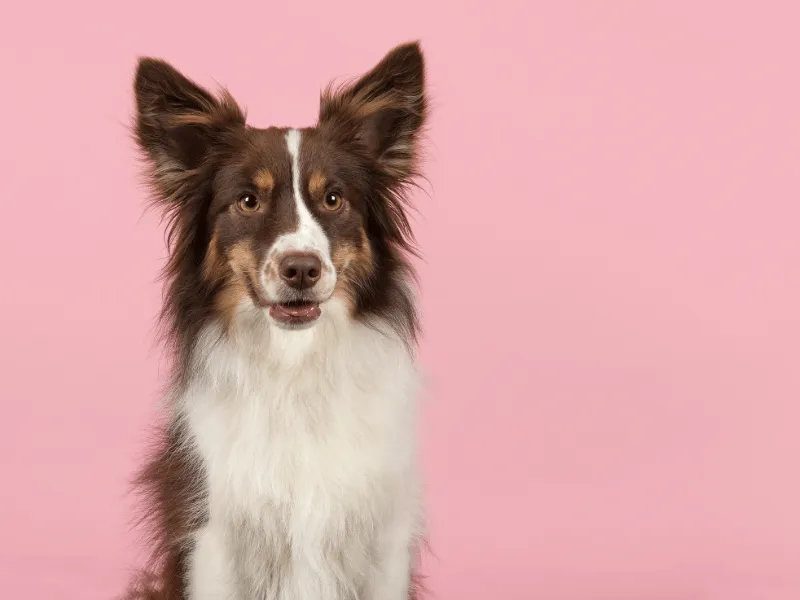


Is This the Right Breed for You?
✔ Excellent Match For
- Active individuals or families who enjoy outdoor activities
- Owners interested in dog sports (agility, obedience, herding)
- Experienced dog owners who can provide mental stimulation
- Those with space for a dog to run and play regularly
• High-energy breed: requires daily vigorous exercise and mental challenges.
• Extremely intelligent: excels at training and learning new commands quickly.
• Versatile companion: does well in various dog sports and family activities.
✖ Consider Carefully If
- You prefer a low-energy, couch-potato type dog
- You're away from home for long hours regularly
- You dislike regular grooming and shedding
- You're a first-time dog owner without herding breed experience
• Herding instincts: may try to herd children, pets, or moving objects.
• Requires substantial exercise: at least 60-90 minutes of activity daily.
• Moderate to high shedding: regular brushing required for double coat.
Owner Suitability
The Miniature American Shepherd is an intelligent, energetic herding breed that thrives with active owners who can provide both physical exercise and mental stimulation. While they make excellent companions for dog sports and outdoor activities, they're not well-suited for sedentary lifestyles or first-time owners. Their herding instincts and high energy levels require experienced handling and consistent training.Stats:
- Height: 13-18 inches
- Weight: 20-40 pounds
- Coat: Medium-length double coat with straight to wavy texture
- Colors: Black, blue merle, red, red merle (all with or without white/tan markings)
- Lifespan: 12-13 years
Note: This is a high-energy herding breed requiring significant daily exercise and mental stimulation.
Origin & History
The Miniature American Shepherd was developed in California during the late 1960s from small Australian Shepherds. Breeders selectively bred the smaller specimens to create a compact version that maintained the intelligence and herding ability of the standard Australian Shepherd.
Originally called the Miniature Australian Shepherd, the breed was renamed in 2011 to reflect its development as a distinct American breed. The American Kennel Club officially recognized the Miniature American Shepherd in 2015.
Today, these versatile dogs excel in dog sports like agility, obedience, and herding trials, while also serving as devoted family companions for active households.
| Traits: | 1 | 2 | 3 | 4 | 5 |
|---|---|---|---|---|---|
| Energy: High energy; requires regular physical and mental exercise | ✓ | ||||
| Easy To Train: Highly intelligent and eager to please; responds well to training | ✓ | ||||
| Shedding:Moderate; thick double coat releases fur year-round. | ✓ | ||||
| Grooming: Moderate shedding; needs brushing 2-3 times weekly | ✓ | ||||
| Family Dog: Excellent with children when properly socialized | ✓ | ||||
| Watchdog: Good alert dog; will bark to notify of strangers | ✓ | ||||
| Beginner Friendly: Suitable for novice owners with commitment to training | ✓ | ||||
| Prey Drive: Moderate; may chase small animals due to herding instinct | ✓ | ||||
| Barking: Can be vocal, especially when herding or alerting | ✓ | ||||
| Good with other dogs: Excellent; gets along well with other dogs | ✓ |
Health Concerns:
- Hip Dysplasia: Less common than in larger breeds but still possible
- Eye Problems: Including cataracts and progressive retinal atrophy
- MDR1 Gene Mutation: Sensitivity to certain medications
- Epilepsy: Can occur in some bloodlines
- Patellar Luxation: Common in small breeds
Please check the Canine Health Information Center (CHIC) and parent breed clubs for health information.
Glossary of general canine health conditions.