Newfoundland
AKC & CKC Working Group
(Newfie • water-loving gentle giant)
Is This the Right Breed for You?
✔ Excellent Match For
- Families who want a calm, affectionate “gentle giant” with a sweet nature
- Owners with space and strength for a very large dog (and big-dog expenses)
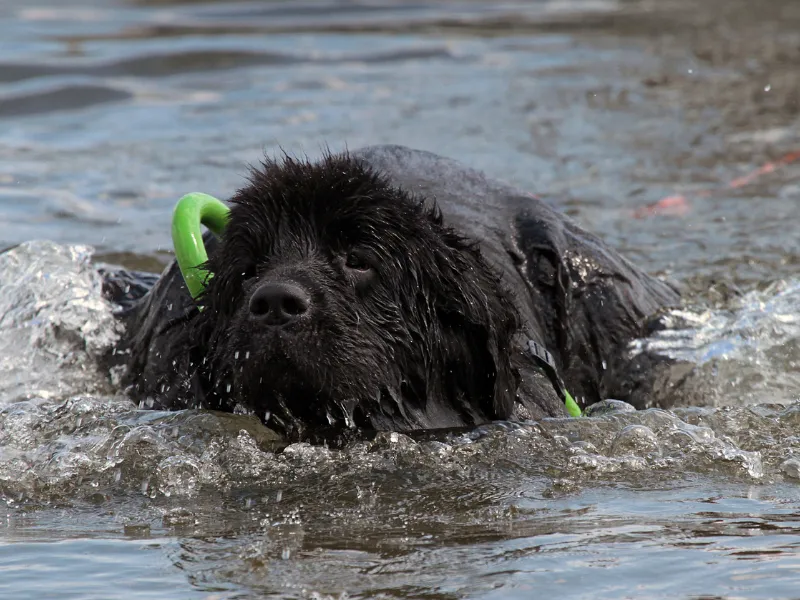
- People who love water activities—many Newfoundlands adore swimming
• Typically patient and protective with children (still needs training and supervision).
• Moderate exercise: steady walks + play, not extreme running in heat.
• Often great therapy-style temperament: gentle with people and other animals.
✖ Consider Carefully If
- You want a clean, dry house (heavy drool is common)
- You don’t want shedding and coat maintenance (thick double coat sheds a lot)
- You live in a hot climate without strong heat-management (they overheat easily)
• Size and strength: training and manners are non-negotiable.
• Grooming: regular brushing helps manage shedding and mats.
• Shorter lifespan than many breeds: plan for vet care and joint support.
Owner Suitability
“Newfoundlands thrive with owners who love a giant, affectionate dog and can handle drool, shedding, and big-dog costs. They do best with steady training, cool weather (or good heat management), and families who include them in daily life— especially if water adventures are on the menu.”Stats:
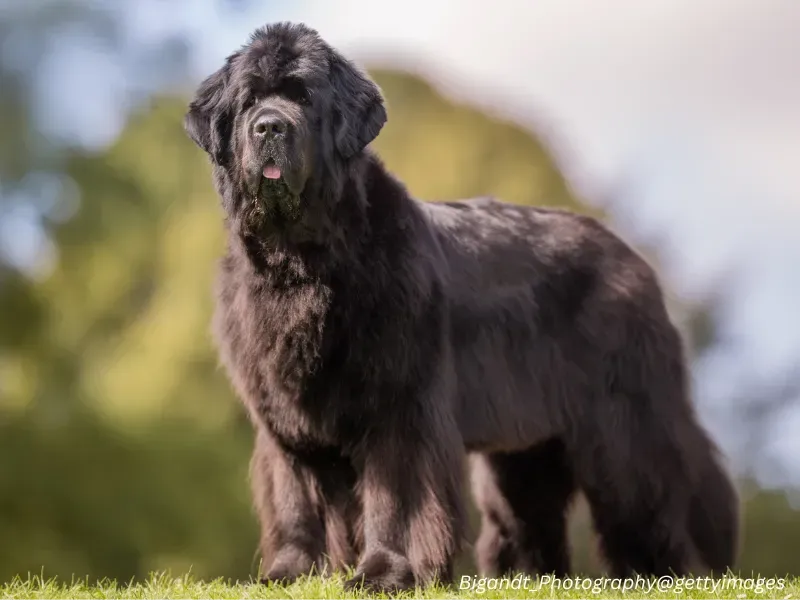
- Height: 26–28 inches
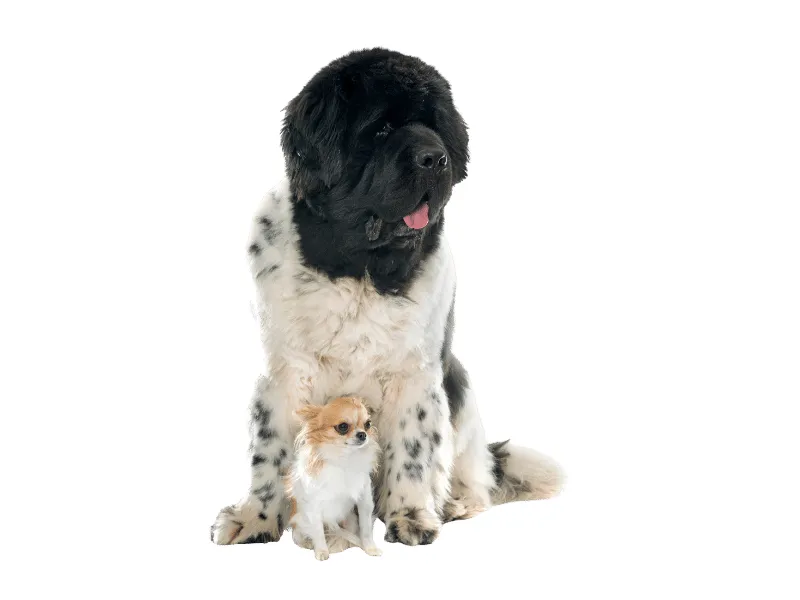
- Weight: 100–120 lb (female) | 130–150 lb (male)
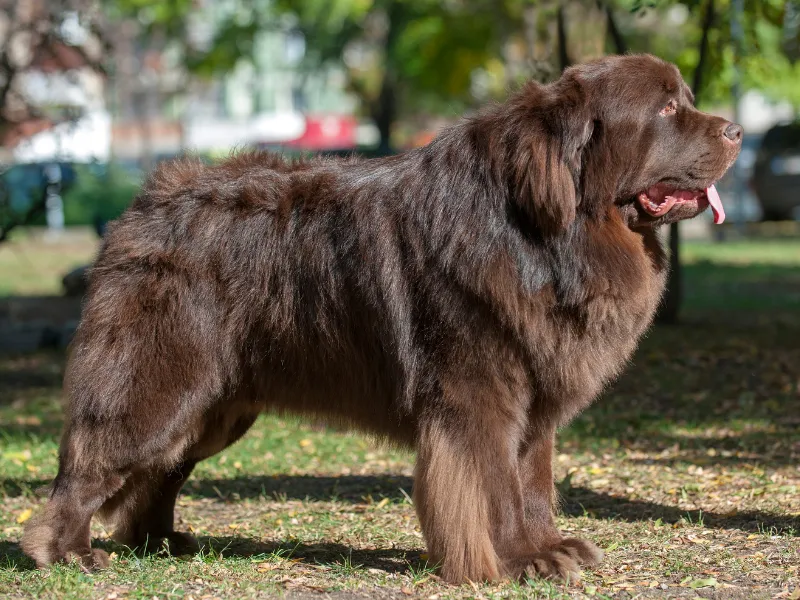
- Coat: Thick, water-resistant double coat
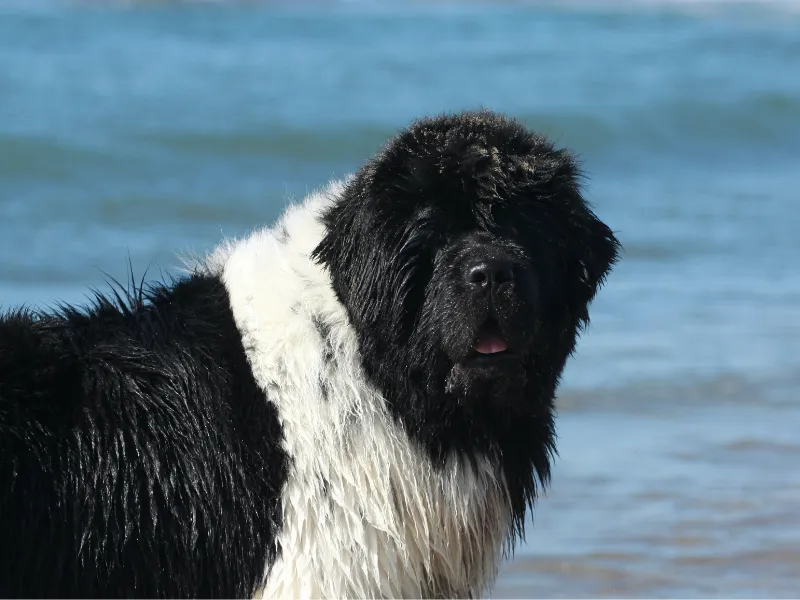
- Colors: Black, brown, gray, or Landseer (white with black markings)
- Lifespan: 8–10 years
Notes: Many Newfoundlands are enthusiastic swimmers and will seek out water. Drool can be significant—keep towels handy.
Origin & History
The Newfoundland developed in Newfoundland, Canada as a working partner to fishermen. These powerful dogs were valued for hauling, carting, and—most famously—water rescue. Their webbed feet and water-resistant coat make them exceptional swimmers.
Newfoundlands have a long reputation for bravery in the water and a gentle, steady temperament on land. Over time, they transitioned from working docks and boats to family homes while keeping their calm, loyal nature.
Today, Newfoundlands are beloved for their sweet disposition, protective instincts, and love of water. With early training and thoughtful management of coat, drool, and heat, they can be wonderful family companions.
| Traits: | 1 | 2 | 3 | 4 | 5 |
|---|---|---|---|---|---|
| Energy: Moderate; needs regular exercise but not hyperactive | ✓ | ||||
| Easy To Train: Intelligent and eager to please; responds well to training | ✓ | ||||
| Shedding: High; thick, heavy double coat releases fur constantly with massive seasonal shedding .. | ✓ | ||||
| Grooming: High maintenance; frequent brushing needed | ✓ | ||||
| Family Dog: Excellent with families; gentle and protective with children | ✓ | ||||
| Watchdog: Will alert to strangers but not aggressive, sheer size is intimidating to most | ✓ | ||||
| Beginner Friendly: Good for dedicated first-time owners | ✓ | ||||
| Prey Drive: Low; gentle with other animals | ✓ | ||||
| Barking: Moderate; typically only when necessary | ✓ | ||||
| Good with other dogs: Excellent; gets along with everyone! | ✓ |
Health Concerns:
- Hip/Elbow Dysplasia: Common joint issues in giant breeds
- Subvalvular Aortic Stenosis: Heart condition
- Cystinuria: Kidney stone-forming disease
- Bloat (GDV): Life-threatening stomach torsion
- Cruciate Ligament Rupture: Knee injury risk
Please check the Canine Health Information Center (CHIC) and parent breed clubs for health information.
Glossary of general canine health conditions.