Norwegian Lundehund
AKC Non-Sporting Group

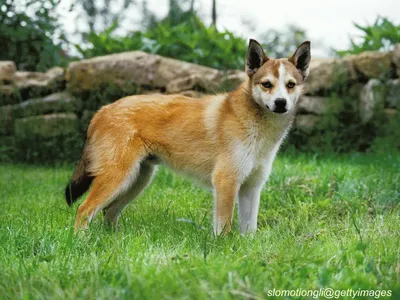
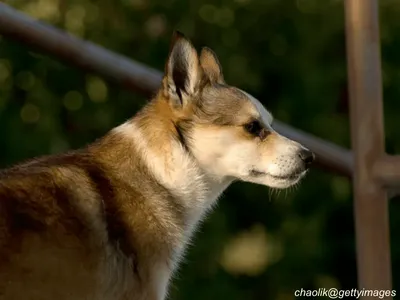
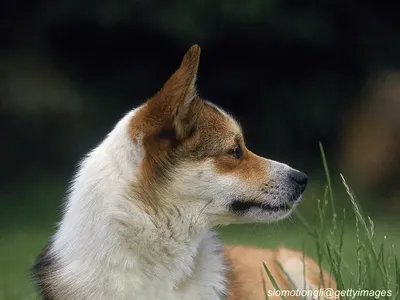
Origin & History
The Norwegian Lundehund is one of the world's most unique and ancient breeds, developed centuries ago on the remote Lofoten Islands of Norway. These remarkable dogs were specifically bred to hunt puffins ("lunde" in Norwegian) along steep cliffs and in narrow caves, developing extraordinary physical adaptations for this dangerous work.
With six toes on each foot, flexible joints that allow them to bend their heads backward to touch their spine, and ears that can close to protect against dirt and moisture, the Lundehund is a marvel of specialized evolution. Their ability to scale sheer rock faces and squeeze through tight passages made them invaluable to island villagers who relied on puffin meat and eggs as food sources.
When puffin hunting was banned in the 19th century, the breed nearly disappeared until being saved by dedicated Norwegian enthusiasts in the 1940s. This rare spitz-type dog now serves primarily as an active companion, though it retains all its remarkable physical traits and independent hunting instincts.
Stats:
- Height: 12-15 inches
- Weight: 12-18 pounds
- Coat: Dense double coat with harsh outer layer
- Colors: Reddish brown to fawn with black tips, white markings
- Lifespan: 12-14 years
| Traits: | 1 | 2 | 3 | 4 | 5 |
|---|---|---|---|---|---|
| Energy: Needs vigorous daily exercise | ✓ | ||||
| Easy To Train: Intelligent but independent thinkers | ✓ | ||||
| Grooming: Moderate; weekly brushing, heavy shedding twice yearly | ✓ | ||||
| Family Dog: Good with older children; may be reserved with strangers | ✓ | ||||
| Watchdog: Excellent; alert and vocal | ✓ | ||||
| Beginner Friendly: Challenging; best for experienced owners | ✓ | ||||
| Prey Drive: Very strong; retains hunting instincts | ✓ | ||||
| Barking: Will alert to activity | ✓ | ||||
| Good with other dogs: Friendly but quirky; may ignore or play-bow excessively | ✓ |
Health Concerns:
- Lundehund Syndrome: Unique intestinal disorder affecting nutrient absorption
- Patellar Luxation: Slipping kneecaps (common in small breeds)
- Eye Problems: Including cataracts and progressive retinal atrophy
Please check the Canine Health Information Center (CHIC) and parent breed clubs for health information.
Glossary of general canine health conditions.