Nova Scotia Duck Tolling Retriever
The Toller
AKC & CKC Sporting Group
Is This the Right Breed for You?
✔ Excellent Match For
- Active individuals or families who want an energetic, intelligent sporting companion
- Owners who enjoy outdoor activities like hiking, swimming, or hunting
- Homes seeking a versatile, trainable dog with a playful and affectionate nature
• Intelligent and eager: thrives on mental and physical challenges
• Athletic: excels in agility, dock diving, and field work
• Family-oriented: forms strong bonds and loves being involved in activities
✖ Consider Carefully If
- You have a sedentary lifestyle or limited time for daily exercise
- You want a quiet, low-energy dog (they are vocal and high-energy)
- You have small pets like cats or rabbits (strong prey drive and hunting instincts)
• Exercise needs: requires vigorous daily activity to prevent boredom and destructive behavior
• Vocal nature: they are known for their distinctive "Toller scream" when excited
• Mental stimulation: needs engaging activities to stay happy and well-adjusted
Owner Suitability
The Nova Scotia Duck Tolling Retriever is a dynamic, intelligent companion that thrives in active homes. While highly trainable and affectionate, they require significant exercise and mental stimulation to prevent boredom. Success depends on providing ample outdoor activities, consistent training, and understanding their energetic nature.Stats:
- Height: 17-21 inches
- Weight: 35-50 pounds
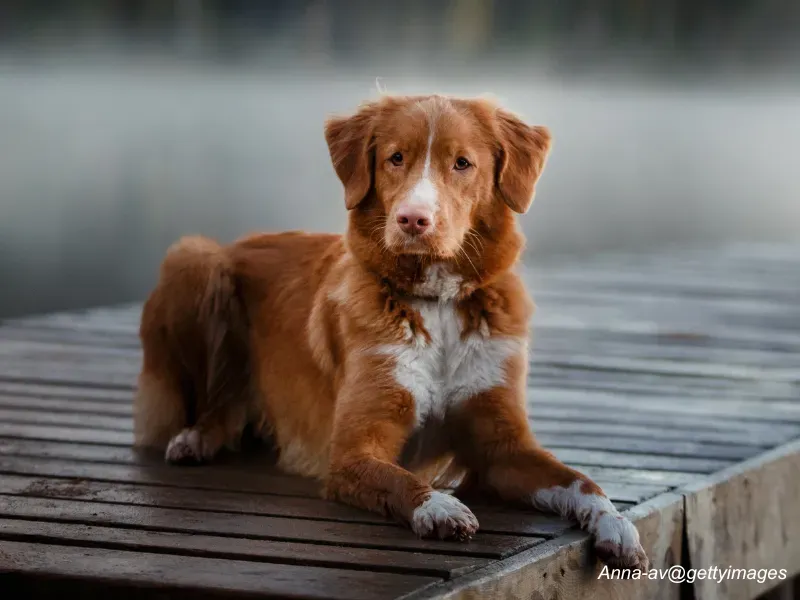
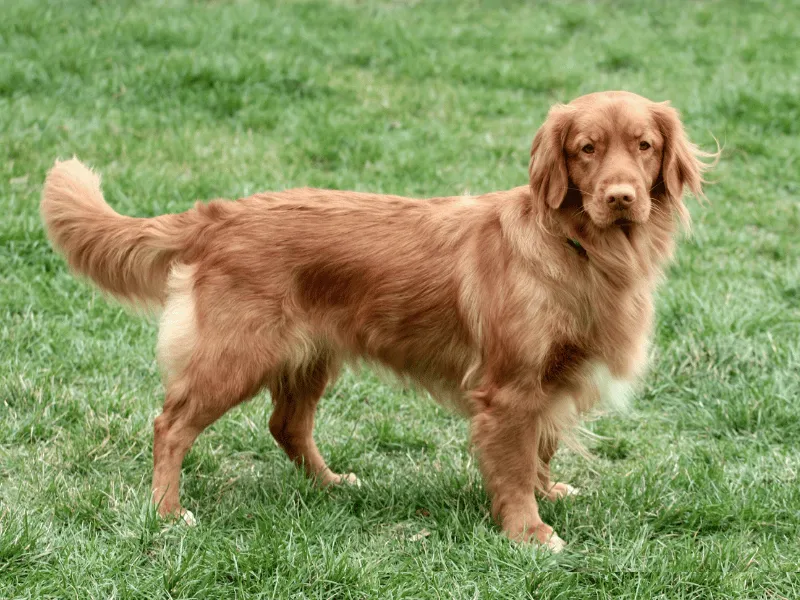
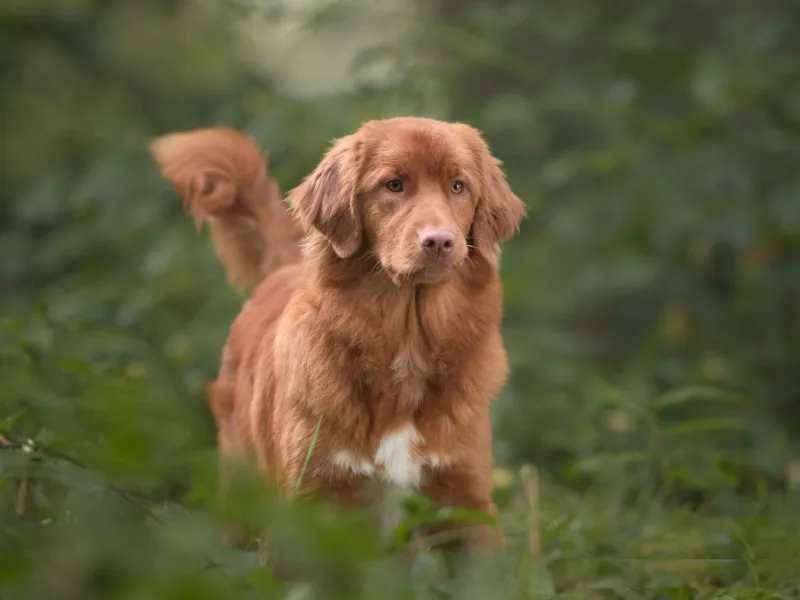
- Coat: Waterproof double coat with soft undercoat
- Colors: Red, red-orange, or golden-red with white markings
- Lifespan: 12-14 years
Origin & History
The Nova Scotia Duck Tolling Retriever, affectionately known as the "Toller," is Canada's smallest retriever. Developed in the early 19th century in Nova Scotia, they were bred for a unique hunting technique called tolling — luring waterfowl within gunshot range by playing along the shoreline. Their fox-like appearance and playful movements pique the curiosity of ducks, drawing them closer to the hunter.
- Developed in Nova Scotia in the early 1800s
- Unique "tolling" hunting technique mimics fox behavior
- Recognized by the AKC in 2003
- Canada's smallest and most energetic retriever
Today, Tollers excel as versatile hunting companions, agility dogs, dock diving competitors, and active family pets. Known for their intelligence, athleticism, and striking red-orange coat, they bring endless energy and enthusiasm to everything they do. They thrive in homes where they can participate in outdoor activities and receive plenty of mental stimulation.
| Traits: | 1 | 2 | 3 | 4 | 5 |
|---|---|---|---|---|---|
| Energy: Extremely high energy; needs vigorous daily exercise | ✓ | ||||
| Easy To Train: Highly intelligent and eager to work; can be stubborn if bored | ✓ | ||||
| Shedding: Seasonal shedder that blows its coat heavily twice a year | ✓ | ||||
| Grooming: Weekly brushing and seasonal shedding management | ✓ | ||||
| Family Dog: Playful and affectionate with families | ✓ | ||||
| Watchdog: Alert and may bark at strangers, but not aggressive | ✓ | ||||
| Beginner Friendly: Good if committed to exercise and training | ✓ | ||||
| Prey Drive: Strong hunting instincts; may chase small animals | ✓ | ||||
| Barking: Vocal breed; known for distinctive "Toller scream" when excited | ✓ | ||||
| Good with other dogs: Good if properly socialized | ✓ |
Health Concerns:
- Hip Dysplasia: Joint malformation leading to arthritis or lameness
- Patellar Luxation: Slipping kneecaps common in active breeds
- Autoimmune Thyroiditis: Immune-mediated thyroid dysfunction
- Progressive Retinal Atrophy (PRA): Degenerative eye disorder
- Epilepsy: Neurological seizure disorder
Please check the Canine Health Information Center (CHIC) and parent breed clubs for health information.
Glossary of general canine health conditions.