Pug
AKC & CKC Toy Group

Is This the Right Breed for You?
✔ Excellent Match For
- Apartment dwellers and those seeking a low-energy companion
- Families with gentle children who want an affectionate, comical pet
- Owners looking for a devoted lap dog with a big personality
• Adaptable: content with short walks and indoor play sessions.
• Affectionate nature: thrives on human companionship and lap time.
• Comical personality: known for entertaining antics and charming expressions.
✖ Consider Carefully If
- You're concerned about significant health issues (breathing, eyes, joints)
- You live in very hot or humid climates (brachycephalic breed struggles with heat)
- You want a jogging partner or high-energy activity companion
• Heavy shedders: despite short coat, Pugs shed profusely year-round.
• Snoring and wheezing: common due to flat facial structure.
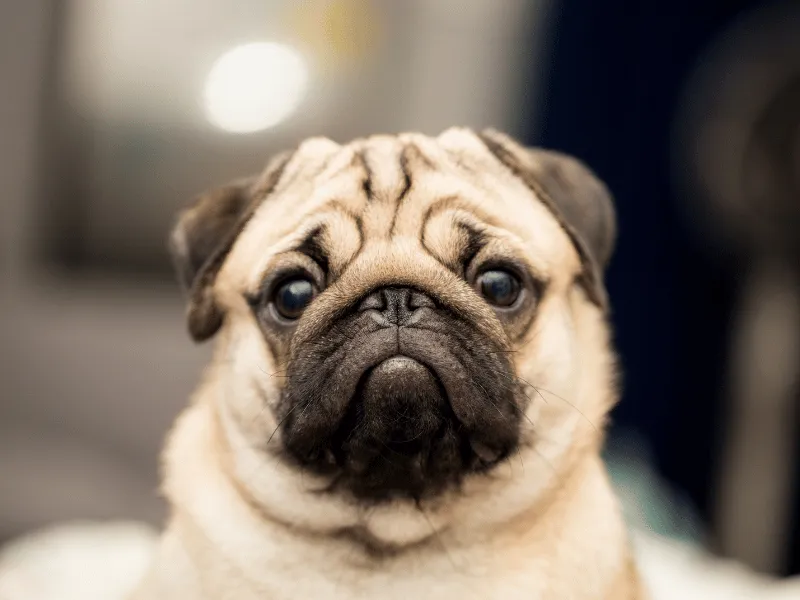
• Wrinkle care: facial folds require daily cleaning to prevent infection.
Owner Suitability
The Pug is a charming, affectionate companion ideal for those seeking a low-energy, people-oriented lap dog. They adapt well to apartment living and various lifestyles, but prospective owners must be prepared for significant health considerations, heavy shedding, and daily wrinkle cleaning. Best suited for those who can provide moderate exercise, regular grooming care, and plenty of lap time for this devoted breed.Stats:
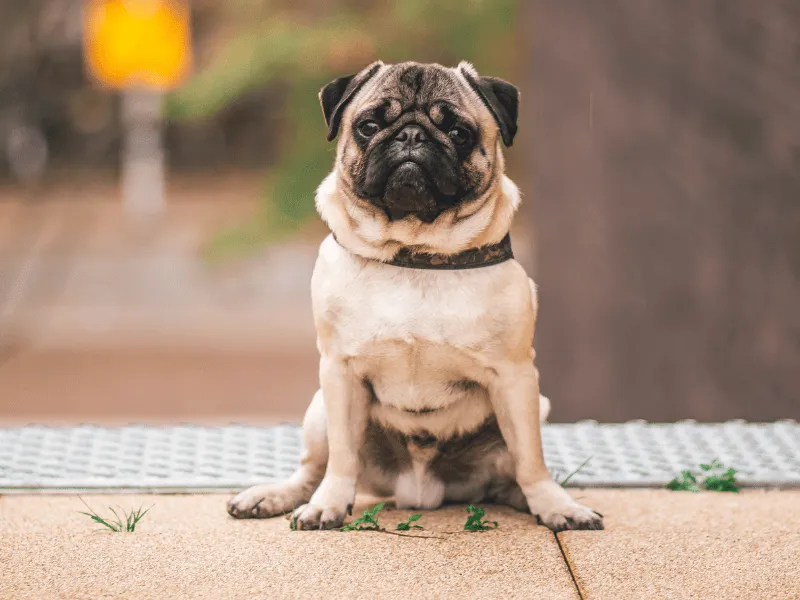
- Height: 10-13 inches
- Weight: 14-18 pounds
- Coat: Short, smooth, and glossy
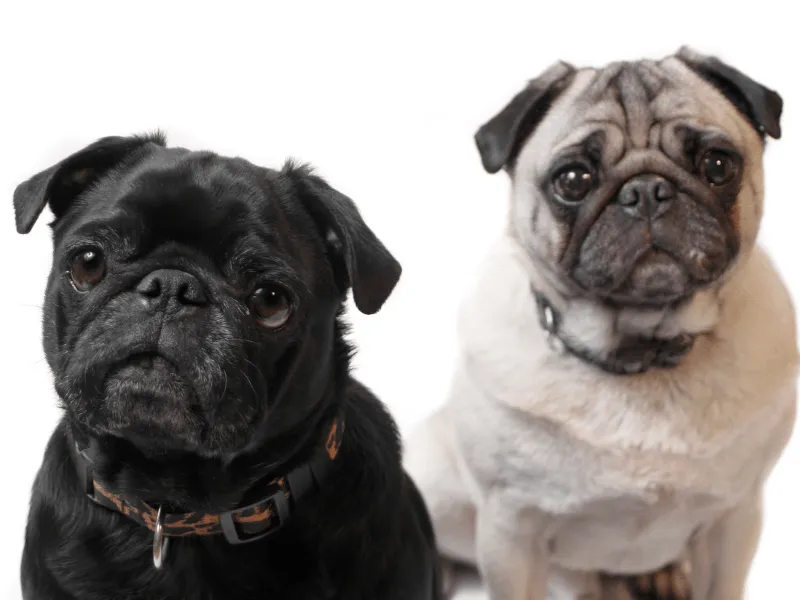
- Colors: Fawn or black with characteristic mask
- Lifespan: 13-15 years
Note: Pugs are brachycephalic dogs with flat faces—they cannot tolerate heat or strenuous exercise.
Origin & History
The Pug originated in China around 400 BC, where they were treasured by emperors as royal companions. Dutch traders brought Pugs to Europe in the 16th century, where they became favorites of European royalty.
Their name likely comes from the Latin "pugnus" (fist), describing their squashed facial features. The breed nearly disappeared during the 19th century but was revived by English enthusiasts.
Today, Pugs rank among the most popular companion dogs worldwide, known for their charming personality and distinctive appearance.
| Traits: | 1 | 2 | 3 | 4 | 5 |
|---|---|---|---|---|---|
| Energy: Moderate; enjoys short walks and play sessions. | ✓ | ||||
| Easy To Train: Willing but can be stubborn; food-motivated. | ✓ | ||||
| Shedding: High; short, dense coat releases steady fur year-round with heavier seasonal shedding. | ✓ | ||||
| Grooming: Low maintenance coat but needs facial fold cleaning. | ✓ | ||||
| Family Dog: Excellent with children and other pets. | ✓ | ||||
| Watchdog: Good alert barker but no guarding ability. | ✓ | ||||
| Beginner Friendly: Excellent first dog with proper care. | ✓ | ||||
| Prey Drive: Minimal; gets along with other animals. | ✓ | ||||
| Barking:Minimal; alert but not excessive. | ✓ | ||||
| Good with other dogs: Excellent; gets along well with other dogs | ✓ |
Health Considerations
- Brachycephalic Syndrome: Breathing difficulties due to flat face
- Eye Problems: Corneal ulcers, dry eye, and proptosis
- Obesity: Prone to weight gain
- Hip Dysplasia: Though small, can still be affected
- Skin Infections: In facial folds without proper cleaning
Please check the Canine Health Information Center (CHIC) and parent breed clubs for health information.
Glossary of general canine health conditions.