Pumi
AKC & CKC Herding Group

Photo Credit: slomotingli | Getty Images
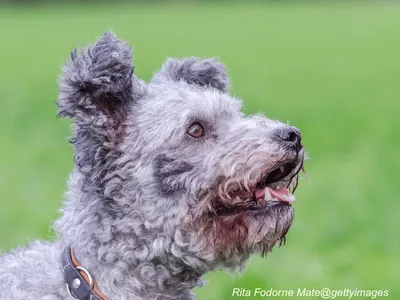
Photo Credit: Rita Fodorne Mate | Getty Images

Photo Credit: Rita Fodorne Mate | Getty Images

Photo Credit: slomotiongli | Getty Images
Origin & History
The Pumi is a lively Hungarian herding breed developed in the 17th-18th centuries by crossing Hungarian pulik with German and French herding dogs. Originally used to herd cattle, sheep, and pigs, the Pumi is known for its terrier-like energy and distinctive corkscrew curls.
This breed was recognized as separate from the Puli in the 1920s. While still used as a working farm dog in Hungary, Pumis have gained popularity worldwide as energetic companions and agility competitors.
Recognized by the AKC in 2016, the Pumi combines herding intelligence with a playful, vocal personality that makes it a charming but demanding companion.
Stats:
- Height: 15-18.5 inches
- Weight: 22-29 pounds
- Coat: Curly, medium-length double coat
- Colors: Gray, black, white, or fawn
- Lifespan: 12-13 years
| Traits: | 1 | 2 | 3 | 4 | 5 |
|---|---|---|---|---|---|
| Energy: Very high; needs vigorous daily exercise and mental stimulation. | ✓ | ||||
| Easy To Train: Intelligent but independent. | ✓ | ||||
| Shedding: Low; curly, non-shedding coat makes it a relatively good choice for allergy concerns. | ✓ | ||||
| Grooming: Moderate; weekly brushing, occasional hand-stripping. | ✓ | ||||
| Family Dog: Good with older children; may herd small kids/pets. | ✓ | ||||
| Watchdog: Excellent alert dog; very vocal. | ✓ | ||||
| Beginner Friendly: Best for experienced dog owners due to high prey drive, and high energy & stubborness. | ✓ | ||||
| Prey Drive: Strong herding instincts may lead to chasing small animals. | ✓ | ||||
| Barking: Alert barking. | ✓ | ||||
| Good with other dogs: Can be wary or dominant with unfamiliar dogs; early socialization important. | ✓ |
Health Considerations
- Hip Dysplasia: Less common than in larger breeds but still possible
- Patellar Luxation: Common in small-to-medium breeds
- Eye Conditions: Including progressive retinal atrophy (PRA)
- Degenerative Myelopathy: Degenerative spinal disease
Please check the Canine Health Information Center (CHIC) and parent breed clubs for health information.
Glossary of general canine health conditions.