
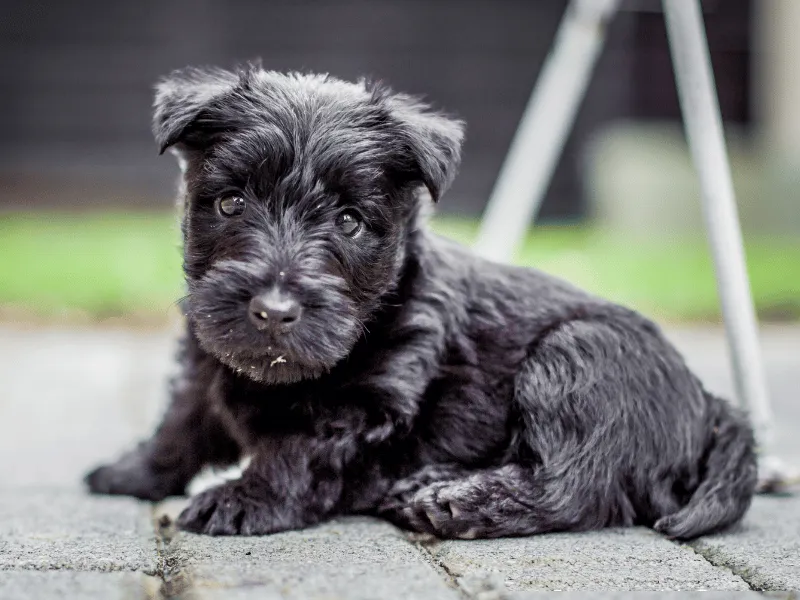
Is This the Right Breed for You?
✔ Excellent Match For
- People who want a confident, independent small dog with “big dog” attitude
- Owners who enjoy a loyal companion (but not a clingy, velcro dog)
- Homes that can provide consistent boundaries, short training sessions, and daily walks
• Brave and alert — makes a surprisingly good little watchdog.
• Devoted to their people, often with a “choose my favorites” personality.
• Moderate exercise needs, but benefits from mental stimulation.
✖ Consider Carefully If
- You want an easygoing, highly social “everyone’s best friend” dog
- You dislike grooming/coat maintenance (or don’t want regular professional trims)
- You have small pets or prefer a dog with very low prey drive
• Can be stubborn — training must be calm, consistent, and reward-based.
• Terrier instincts: may chase squirrels/cats and can be dog-selective.
• Needs early socialization to prevent “my space” defensiveness.
Owner Suitability
“Scottish Terriers aren’t ‘people-pleaser’ dogs — they’re confident, opinionated companions who thrive with respectful handling, clear routines, and steady training. If you love a bold little dog with character (and you’re okay with grooming upkeep), the Scottie can be an incredibly loyal, entertaining housemate.”Stats
- Height: 10 inches at shoulder
- Weight: 18–22 pounds
- Coat: Double coat with hard, wiry outer coat and soft undercoat
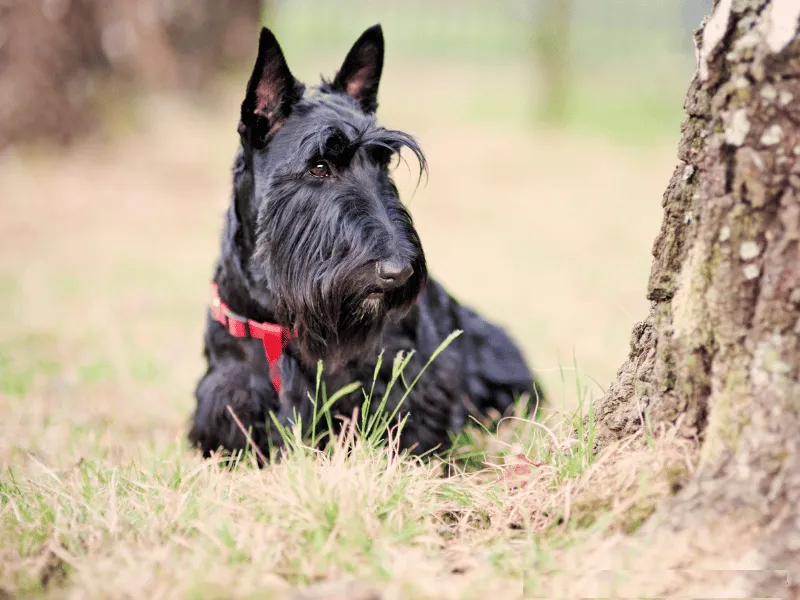
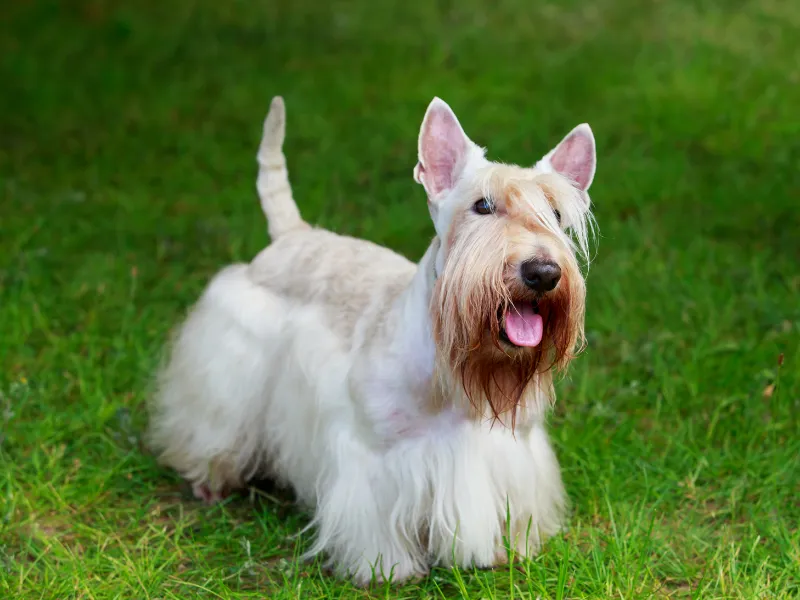
- Colors: Black, wheaten, or brindle
- Lifespan: 12–15 years
Origin & History
The Scottish Terrier, affectionately known as the "Scottie," is one of the oldest terrier breeds, originating in the Scottish Highlands centuries ago. Originally bred to hunt and kill vermin on farms, these small but mighty dogs were valued for their courage, independence, and ability to work independently of their masters.
Scotties gained popularity in the late 19th century when they became favorites of British royalty, particularly King James VI of Scotland. Their distinctive silhouette and dignified personality have made them one of the most recognizable terrier breeds.
| Traits: | 1 | 2 | 3 | 4 | 5 |
|---|---|---|---|---|---|
| Energy: Moderate energy; needs daily walks and play | ✓ | ||||
| Easy To Train: Intelligent but independent; can be stubborn | ✓ | ||||
| Shedding: Low; wiry outer coat with soft undercoat releases minimal fur. | ✓ | ||||
| Grooming: Requires regular brushing and professional grooming | ✓ | ||||
| Family Dog: Loyal but may be reserved with children | ✓ | ||||
| Watchdog: Excellent; alert and vocal | ✓ | ||||
| Beginner Friendly: Better for experienced dog owners | ✓ | ||||
| Prey Drive: High; strong hunting instincts | ✓ | ||||
| Barking: Moderate/high; will alert bark | ✓ | ||||
| Good with other dogs: Moderate to low compatibility with other dogs. | ✓ |
Health Concerns:
- Von Willebrand's Disease: Blood clotting disorder
- Patellar Luxation: Kneecap dislocation
- Hypothyroidism: Endocrine system disorder
Please check the Canine Health Information Center (CHIC) and parent breed clubs for health information.
Glossary of general canine health conditions.