Shiba Inu
AKC & CKC Non-Sporting Group

Is This the Right Breed for You?
✔ Excellent Match For
- Experienced or patient owners who enjoy an independent, clever companion
- People who can provide daily walks, enrichment, and structured training
- Homes that appreciate a clean, quiet-around-the-house dog with a “cat-like” vibe
• Smart and observant: often learns fast, but likes to do things “their way.”
• Moderate energy: consistent exercise + sniffing and puzzle games work well.
• Loyal to their circle: usually more reserved with strangers.
✖ Consider Carefully If
- You want an eager-to-please, always-obedient breed
- You dislike shedding (their double coat “blows” seasonally)
- You need reliable off-leash freedom (prey drive + independence can be a challenge)
• Recall is often the hardest skill—secure fencing and leash skills are key.
• Socialization matters: can be selective with dogs if under-socialized.
• Handling sensitivity: some dislike grooming/nail trims without careful conditioning.
Owner Suitability
“Shibas do best with calm, consistent owners who use positive training and set clear boundaries. They’re intelligent and clean, but independent—so focus on leash skills, early socialization, and cooperative handling. If you like a confident, fox-like companion with a bit of sass, a Shiba Inu can be a great fit.”Stats:
- Height: 13.5–16.5 inches
- Weight: 17–23 pounds
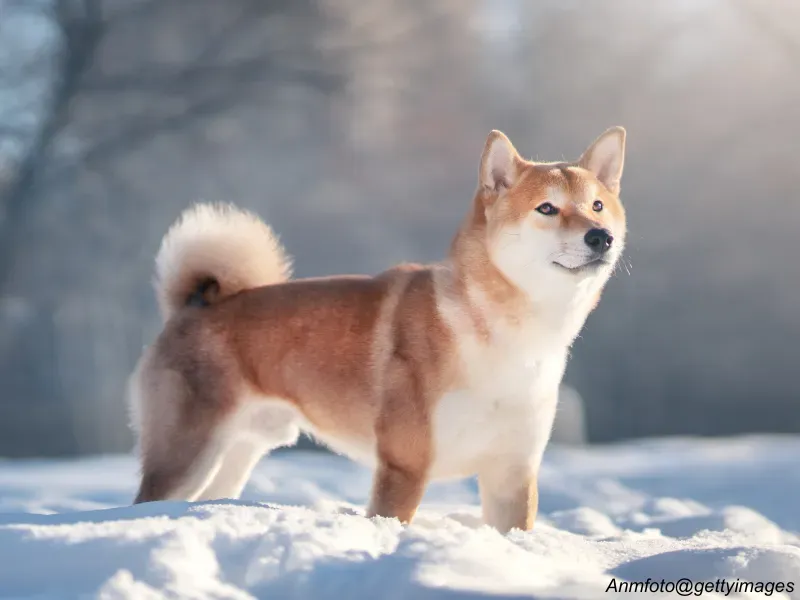
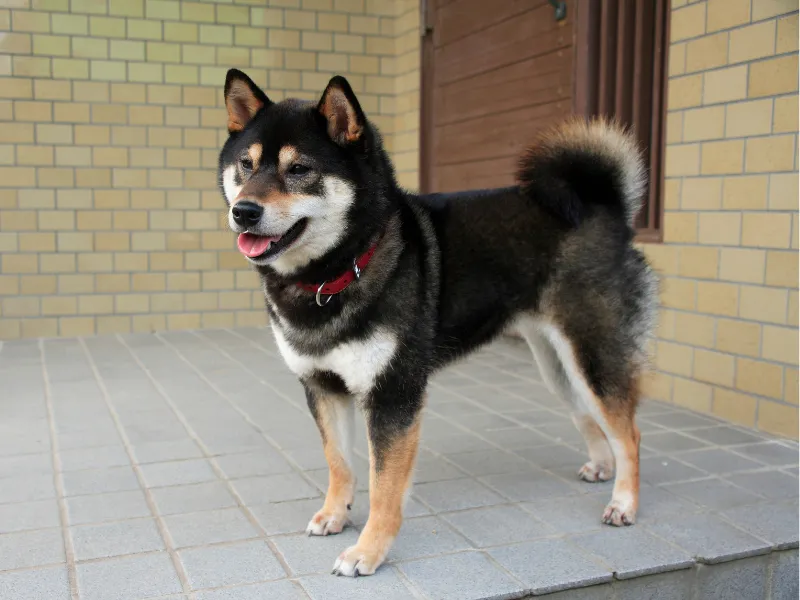
- Coat: Double coat (stiff guard hairs + soft undercoat)
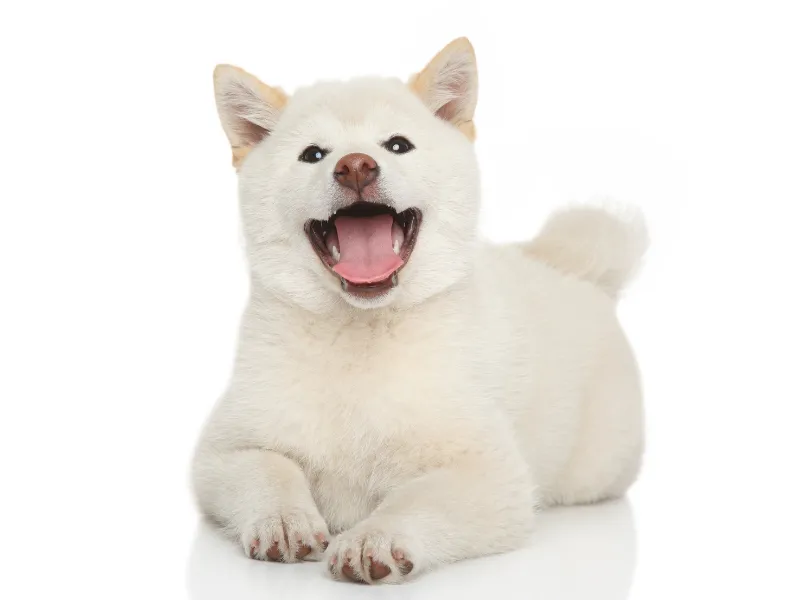
- Colors: Red, black & tan, sesame, or cream
- Lifespan: 13–16 years
Shedding note: Expect regular shedding and heavier seasonal “coat blows,” especially in spring/fall.
Origin & History
The Shiba Inu is an ancient Japanese breed originally developed to hunt small game in rugged terrain. Their compact size, quick reflexes, and alert nature made them effective hunters, while their dense coat helped them handle cold weather.
The breed faced major declines during the 20th century but survived through preservation efforts. Today, Shibas are among the most popular companion dogs in Japan and are known worldwide for their fox-like look, bold personality, and confident demeanor.
Modern Shibas are typically companions rather than hunters, but many still carry strong instincts—especially chasing and exploring—making training, management, and enrichment important parts of everyday life.
| Traits: | 1 | 2 | 3 | 4 | 5 |
|---|---|---|---|---|---|
| Energy: Moderate to high energy; needs daily exercise | ✓ | ||||
| Easy To Train: Intelligent but independent; can be stubborn | ✓ | ||||
| Shedding: High; thick double coat releases heavy fur year-round with seasonal blowing . | ✓ | ||||
| Grooming: Moderate; heavy shedding twice yearly | ✓ | ||||
| Family Dog: Good with older children; may be aloof | ✓ | ||||
| Watchdog: Excellent; alert and protective | ✓ | ||||
| Beginner Friendly: Not recommended for first-time owners | ✓ | ||||
| Prey Drive: Very strong; will chase small animals | ✓ | ||||
| Barking: Not excessive but known for "Shiba scream" | ✓ | ||||
| Good with other dogs: If properly socialized, but they are strong-willed & territorial; may lead to aggression | ✓ |
Health Concerns:
- Hip Dysplasia: Moderate risk in the breed
- Patellar Luxation: Common in small breeds
- Allergies: Skin allergies can occur
- Glaucoma: Eye condition that can lead to blindness
- Cataracts: Clouding of eye lens leading to vision impairment
Please check the Canine Health Information Center (CHIC) and parent breed clubs for health information.
Glossary of general canine health conditions.