Siberian Husky
AKC & CKC Working Group


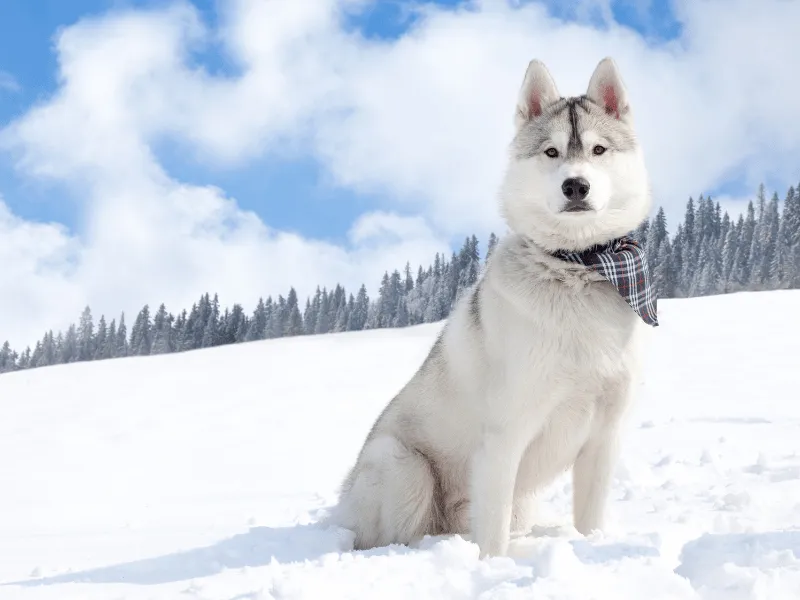
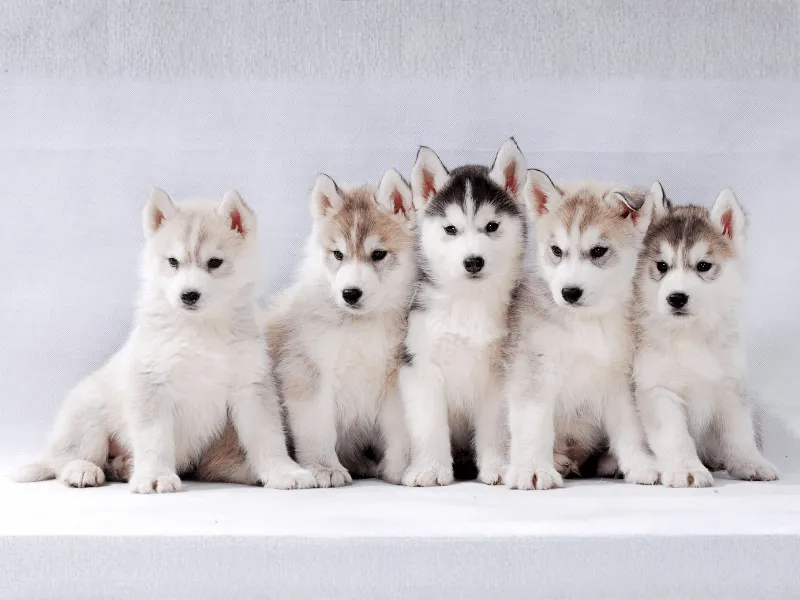
Is This the Right Breed for You?
✔ Excellent Match For
- Extremely active individuals or families who enjoy daily vigorous exercise
- Owners living in cooler climates or with access to snowy environments
- Experienced dog owners who understand independent, working breeds
- Those interested in dog sports like mushing, skijoring, or canicross
• High-energy breed: requires 2+ hours of vigorous exercise daily.
• Cold-weather adapted: thrives in cooler climates with proper shelter.
• Working dog heritage: excels when given jobs or activities.
✖ Consider Carefully If
- You live in a hot climate without air conditioning
- You have a sedentary lifestyle or limited time for exercise
- You want a highly obedient, easily trainable breed
- You're a first-time dog owner or prefer low-maintenance pets
• Heavy shedding: "blows coat" twice yearly with massive hair loss.
• Escape artists: known for digging, climbing, and finding ways out of yards.
• Independent thinkers: can be stubborn and difficult to train.
Owner Suitability
The Siberian Husky is a high-energy working breed bred for endurance in harsh Arctic conditions. They require extensive daily exercise, cool living environments, and experienced owners who can manage their independent nature and escape artist tendencies. While beautiful and affectionate, they're not suitable for apartment living, hot climates, or owners who can't commit to their substantial exercise and grooming needs.Stats:
- Height: 20-23.5 inches
- Weight: 35-60 pounds
- Coat: Dense double coat with straight outer hairs
- Colors: All colors from black to pure white, with various markings
- Lifespan: 12-14 years
Note: Siberian Huskies are extreme shedders and require regular grooming, especially during seasonal coat blows.
Origin & History
The Siberian Husky originated with the Chukchi people of northeastern Siberia, who developed the breed as an endurance sled dog capable of traveling long distances in harsh Arctic conditions. These dogs were integral to the Chukchi way of life, transporting goods and helping with hunting.
They gained international fame during the 1925 Nome serum run, when teams of Huskies delivered life-saving diphtheria antitoxin to the isolated Alaskan town. This heroic feat cemented their reputation as reliable working dogs.
Today, Siberian Huskies excel in dog sports like mushing, skijoring, and agility, while also serving as affectionate family companions for active owners.
| Traits: | 1 | 2 | 3 | 4 | 5 |
|---|---|---|---|---|---|
| Energy: Extremely high energy; requires intense daily exercise | ✓ | ||||
| Easy To Train: Intelligent but independent; can be stubborn | ✓ | ||||
| Shedding: Heavy; thick double coat releases heavy fur year-round with seasonal blowing. | ✓ | ||||
| Grooming: Heavy shedding; needs weekly brushing (daily during shedding seasons) | ✓ | ||||
| Family Dog: Friendly with children but may be too energetic for small kids | ✓ | ||||
| Watchdog: Poor guard dog; friendly to everyone including strangers | ✓ | ||||
| Beginner Friendly: Not recommended due to high energy demands & high prey drive | ✓ | ||||
| Prey Drive: Very strong; will chase small animals | ✓ | ||||
| Barking: Rarely barks but known for dramatic howling | ✓ | ||||
| Good with other dogs: Excellent; gets along well with other dogs | ✓ |
Health Concerns:
- Hip Dysplasia: Less common than in larger breeds but still possible
- Eye Problems: Including juvenile cataracts and progressive retinal atrophy
- Zinc-Responsive Dermatosis: Skin condition unique to northern breeds
- Hypothyroidism: Affects metabolism and coat condition
- Exercise-Induced Collapse: Rare but serious condition
Please check the Canine Health Information Center (CHIC) and parent breed clubs for health information.
Glossary of general canine health conditions.