Tibetan Spaniel
AKC & CKC Non-Sporting Group

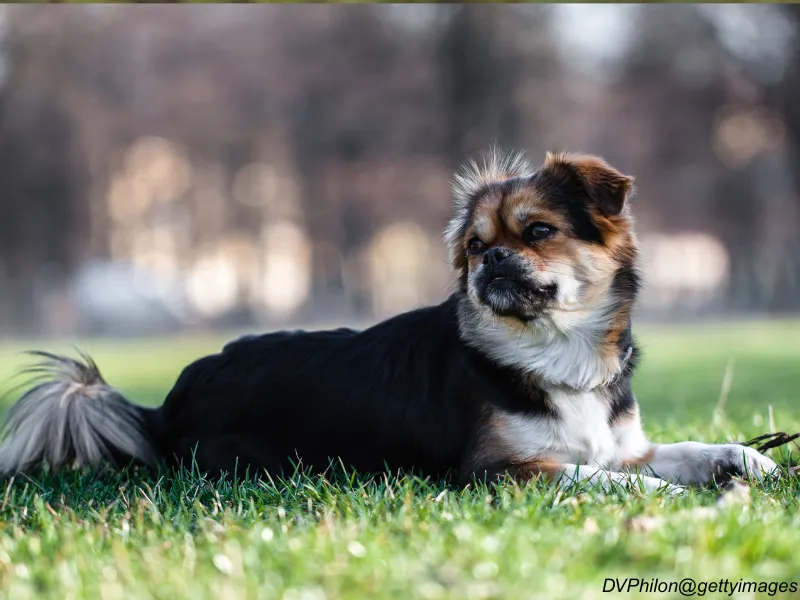
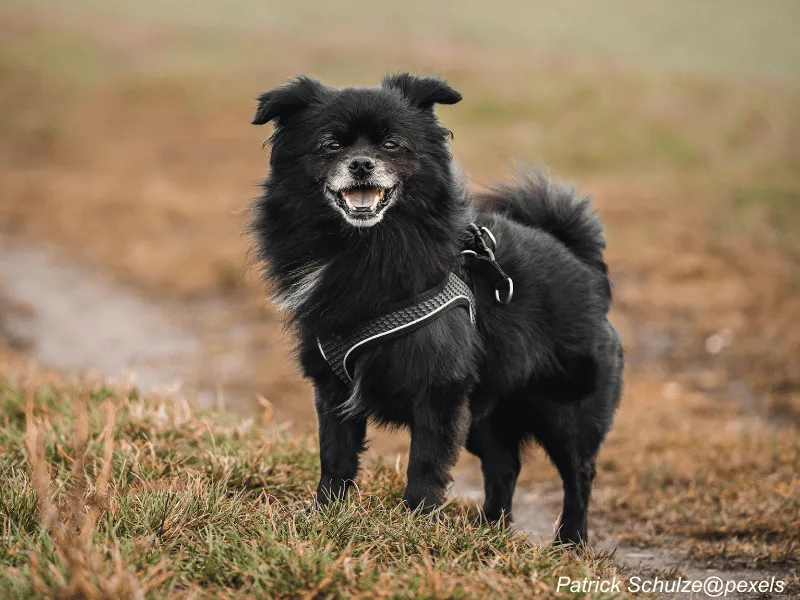
Origin & History
The Tibetan Spaniel is an ancient breed dating back over 2,500 years, originating in the Himalayan monasteries of Tibet. Bred by Buddhist monks as companion dogs and watchdogs, these small canines were prized for their intelligence and loyalty. Despite their name, they are not true spaniels but were given the name by European visitors who noted their resemblance to small spaniel breeds.
Known as "little lions" in Tibet, they were often given as gifts to promote goodwill. The breed served as monastery sentinels, sitting on high walls to watch for approaching visitors. The first Tibetan Spaniels came to England in the late 19th century, and the AKC recognized the breed in 1984.
Today, while still relatively rare, Tibetan Spaniels are cherished companions known for their cat-like independence, expressive faces, and silky mane-like coat.
Stats:
- Height: 10 inches
- Weight: 9-15 pounds
- Coat: Medium-length, silky with feathering
- Colors: All colors and combinations
- Lifespan: 12-15 years
| Traits: | 1 | 2 | 3 | 4 | 5 |
|---|---|---|---|---|---|
| Energy: Moderate energy; enjoys walks but not hyperactive | ✓ | ||||
| Easy To Train: Intelligent but independent; needs motivation | ✓ | ||||
| Shedding: Moderate; silky double coat with seasonal shedding | ✓ | ||||
| Grooming: Moderate; weekly brushing needed | ✓ | ||||
| Family Dog: Excellent with gentle families; may be reserved with strangers | ✓ | ||||
| Watchdog: Excellent; alert and vocal when needed | ✓ | ||||
| Beginner Friendly: Easygoing and low-maintenance; excellent for novice owners | ✓ | ||||
| Prey Drive: Low; bred as companion | ✓ | ||||
| Barking: Moderate; will alert to visitors | ✓ | ||||
| Good with other dogs: Can be selective; prefers human company | ✓ |
Health Concerns:
- Patellar Luxation: Kneecap dislocation common in small breeds
- Progressive Retinal Atrophy (PRA): Degenerative eye disease
- Portosystemic Shunt: Liver circulation abnormality
- Cherry Eye: Inflammation of tissue adjacent to the eye
Please check the Canine Health Information Center (CHIC) and parent breed clubs for health information.
Glossary of general canine health conditions.