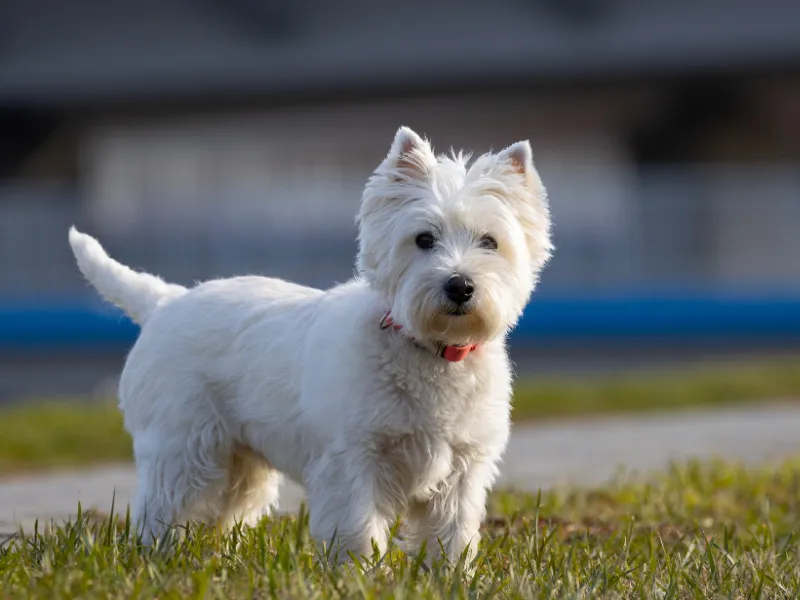
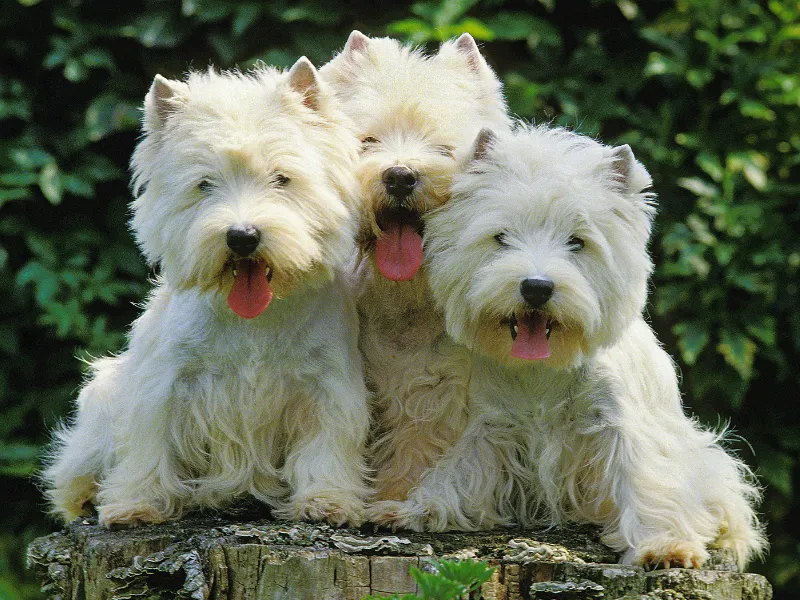
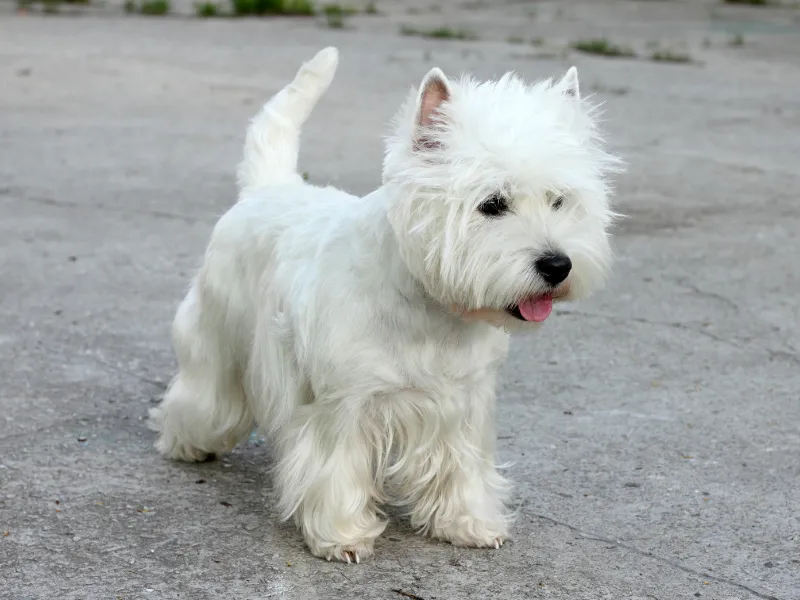
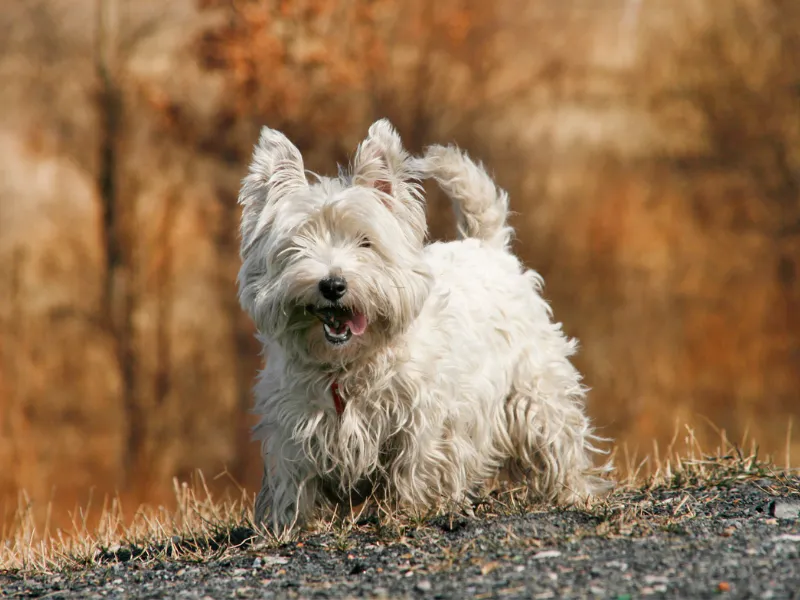
Is This the Right Breed for You?
✔ Excellent Match For
- People who want a confident, cheerful small dog with classic terrier personality
- Owners who enjoy daily walks + short play/training sessions
- Homes that want a sturdy little companion that’s fun, spunky, and affectionate
• Bright and bold: Westies are usually curious, brave, and entertaining.
• Great “small but sturdy” option: not as delicate as some toy breeds.
• Training pays off: they shine with upbeat, consistent practice.
✖ Consider Carefully If
- You want a very quiet dog (many terriers are alert and can be vocal)
- You don’t enjoy grooming upkeep (regular brushing + trimming/stripping helps the coat)
- You prefer a “always obedient” breed (terriers can be independent)
• Prey drive: may chase squirrels/cats—secure leash and yard are important.
• Dog selectivity can happen: early socialization helps a lot.
• Coat can stain: white coats may need extra wipe-downs.
Owner Suitability
“Westies do best with owners who like a spirited little dog and can provide daily activity, basic training, and routine grooming. They’re affectionate and funny, but still terriers—confident, curious, and sometimes opinionated. If you want a sturdy small companion with big personality, a Westie can be a great match.”Stats:
- Height: 10–11 inches
- Weight: 15–20 pounds
- Coat: Double coat (harsh outer coat + softer undercoat)
- Colors: White
- Lifespan: 12–16 years
Grooming note: Many Westie owners keep the coat looking its best with routine brushing and regular professional grooming.
Origin & History
Developed in the rugged Scottish Highlands, the West Highland White Terrier was bred as a small working terrier designed to go to ground after foxes, badgers, and rodents. Their white coat helped hunters distinguish them from quarry in rough terrain.
Modern Westies still carry that bold terrier confidence, but they’re best known today as bright, affectionate companions. They typically love being involved in family life and enjoy a mix of walks, play, and short training games.
With the right outlets and consistent boundaries, the Westie’s “big personality in a small package” becomes one of the most charming parts of living with the breed.
| Traits: | 1 | 2 | 3 | 4 | 5 |
|---|---|---|---|---|---|
| Energy: High energy; needs regular exercise | ✓ | ||||
| Easy To Train: Intelligent but can be stubborn; needs patient training | ✓ | ||||
| Shedding: Low; harsh, wiry coat releases minimal fur. | ✓ | ||||
| Grooming: Moderate maintenance; needs regular brushing and stripping | ✓ | ||||
| Family Dog: Good with children when socialized; may be feisty | ✓ | ||||
| Watchdog: Excellent alert dog; will bark at intruders | ✓ | ||||
| Beginner Friendly: Suitable for novice owners with patience | ✓ | ||||
| Prey Drive: Strong; will chase small animals | ✓ | ||||
| Barking: Can be vocal; tendency to bark | ✓ | ||||
| Good with other dogs: If properly socialized; but strong terrier instincts may lead to stubbornness or aggression toward unfamiliar dogs |
✓ |
Health Concerns:
- Skin Allergies: Common in the breed
- Craniomandibular Osteopathy (CMO): Jaw bone disorder
- Patellar Luxation: Common in small breeds
Please check the Canine Health Information Center (CHIC) and parent breed clubs for health information.
Glossary of general canine health conditions.