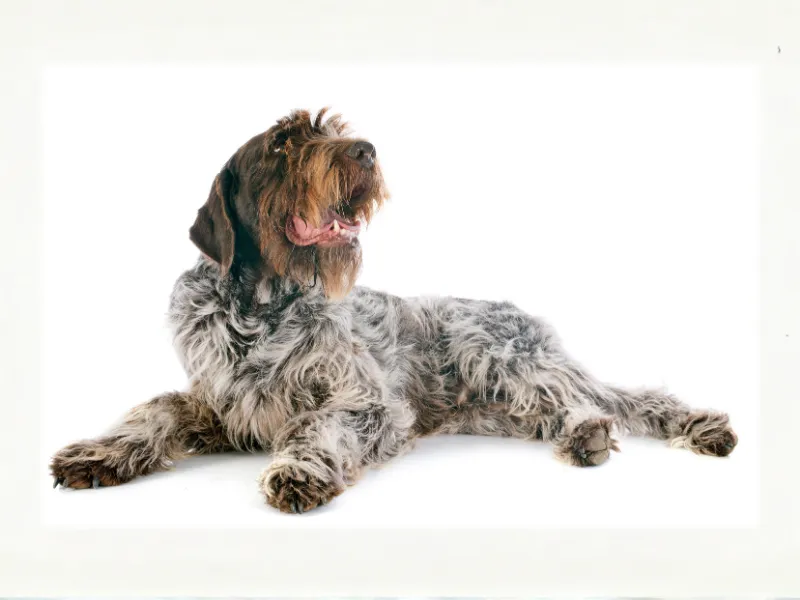
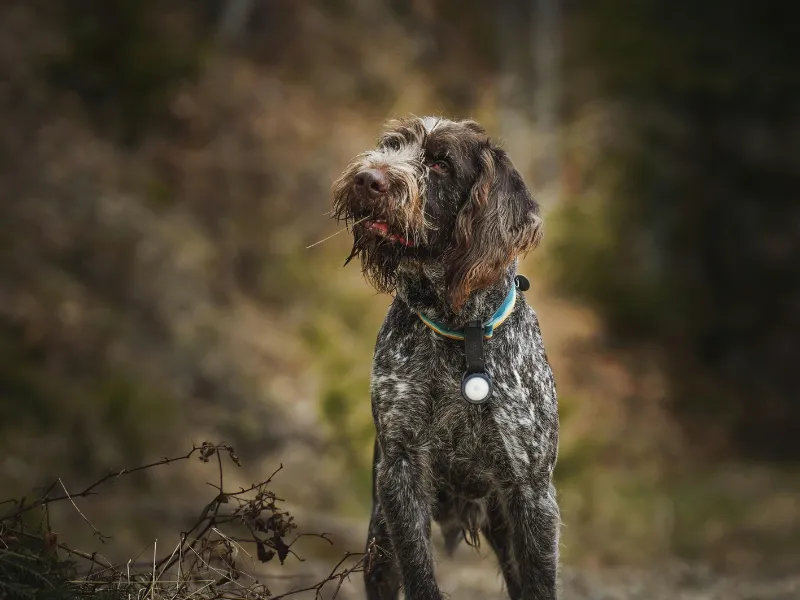
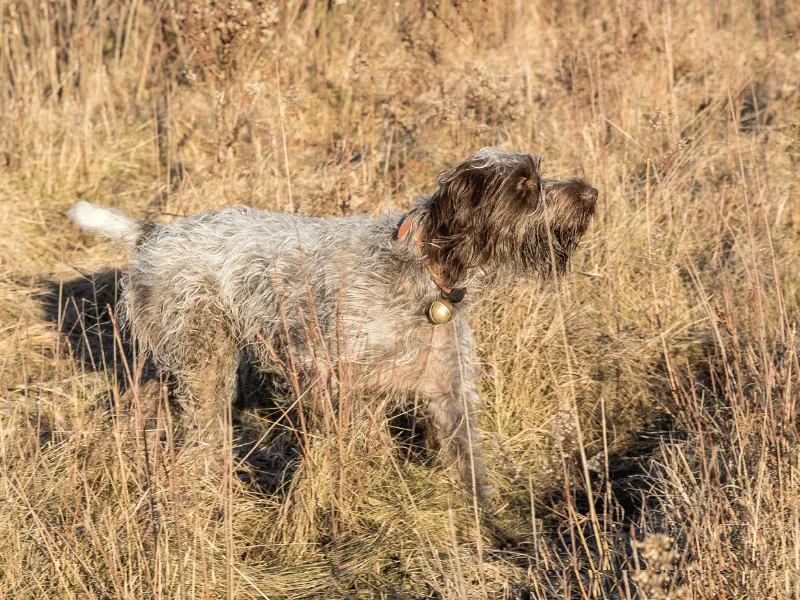
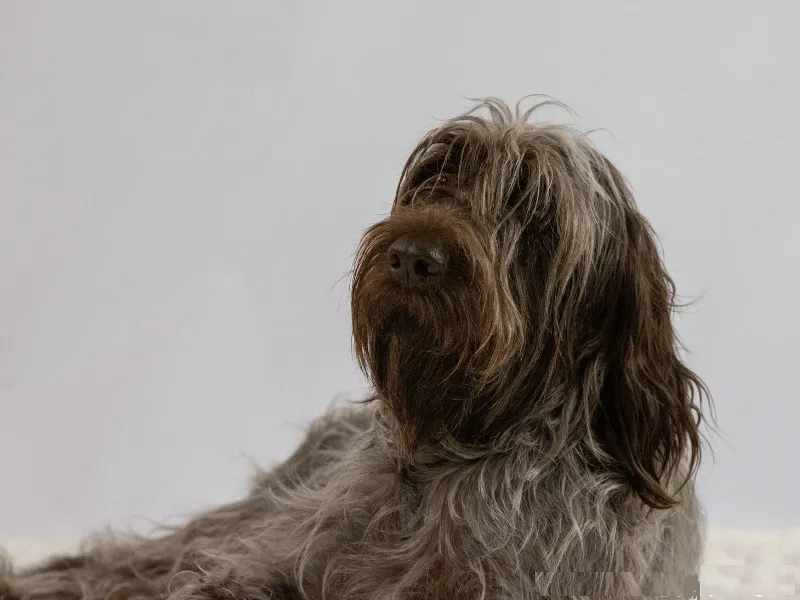
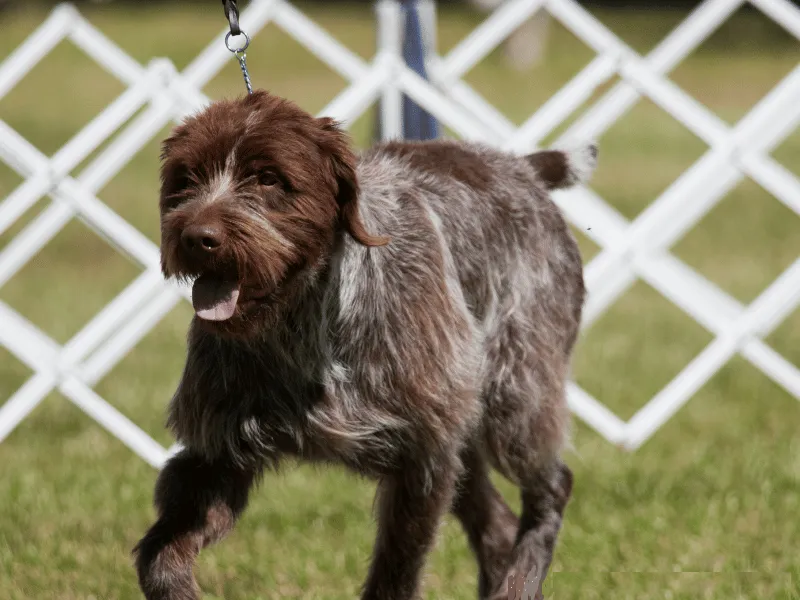
Wirehaired Pointing Griffon
AKC & CKC Sporting Group
Also called the Korthals Griffon — a versatile pointing & retrieving gun dog
Is This the Right Breed for You?
✔ Excellent Match For
- Hunters or outdoorsy owners who want a versatile pointing & retrieving partner
- Active families who enjoy hiking, running, and daily training games
- People who like a friendly, people-oriented dog that wants to be included
• High stamina: best with steady daily exercise plus mental work.
• Biddable and smart: thrives with positive, consistent training.
• Often great with kids and other dogs when well-socialized.
✖ Consider Carefully If
- You want a low-energy dog or short daily walks only
- You’re away long hours most days (they can get bored and restless)
- You dislike grooming upkeep (coat needs routine brushing and occasional hand-stripping)
• Needs a job: bored Griffons may become noisy or destructive.
• Prey drive: recall training is important around wildlife.
• Outdoor-loving: not ideal for a “couch-only” lifestyle.
Owner Suitability
“Wirehaired Pointing Griffons do best with owners who enjoy an active routine and want a dog that learns quickly and works with you. Give them daily exercise, training, and outdoor time, and you’ll have a loyal, enthusiastic partner — in the field or on family adventures.”Stats
- Height: 20–24 inches
- Weight: 35–70 pounds
- Coat: Wiry, harsh outer coat with dense undercoat
- Colors: Steel gray with brown markings, or roan
- Lifespan: 12–15 years
Origin & History
The Wirehaired Pointing Griffon was developed in the late 1800s by Dutch breeder Eduard Karel Korthals, who aimed to create a rugged, all-purpose hunting dog that could point, retrieve, and track on land and in water.
With a protective, weather-resistant coat and a cooperative temperament, Griffons became valued for versatility — equally willing in thick cover, cold water, and long days afield.
Today, they’re beloved by hunters and active families alike for their steady enthusiasm, trainability, and affectionate nature.
| Traits: | 1 | 2 | 3 | 4 | 5 |
|---|---|---|---|---|---|
| Energy: High energy; needs 1+ hours of vigorous exercise daily. | ✓ | ||||
| Ease Of Training: Intelligent and eager to please. | ✓ | ||||
| Shedding: Low; harsh, wiry double coat releases minimal fur. | ✓ | ||||
| Grooming: Moderate maintenance; weekly brushing and hand-stripping 2-3 times yearly. | ✓ | ||||
| Family Dog: Affectionate and good with children when properly socialized. | ✓ | ||||
| Watchdog: Alert and will bark at strangers, but generally friendly. | ✓ | ||||
| Beginner Friendly: High energy and grooming needs may be a challenge. | ✓ | ||||
| Prey Drive: Strong hunting instincts; needs training to manage chase behavior. | ✓ | ||||
| Barking: Moderate; may bark when excited or alerting. | ✓ | ||||
| Good with other dogs: Good, if properly socialized. | ✓ |
Health Concerns:
- Hip Dysplasia: Common in many sporting breeds; ask breeders for OFA certification
- Eye Conditions: Including entropion and progressive retinal atrophy (PRA)
- Autoimmune thyroiditis: Immune system mistakenly attacks thyroid gland
Glossary of general canine health conditions.