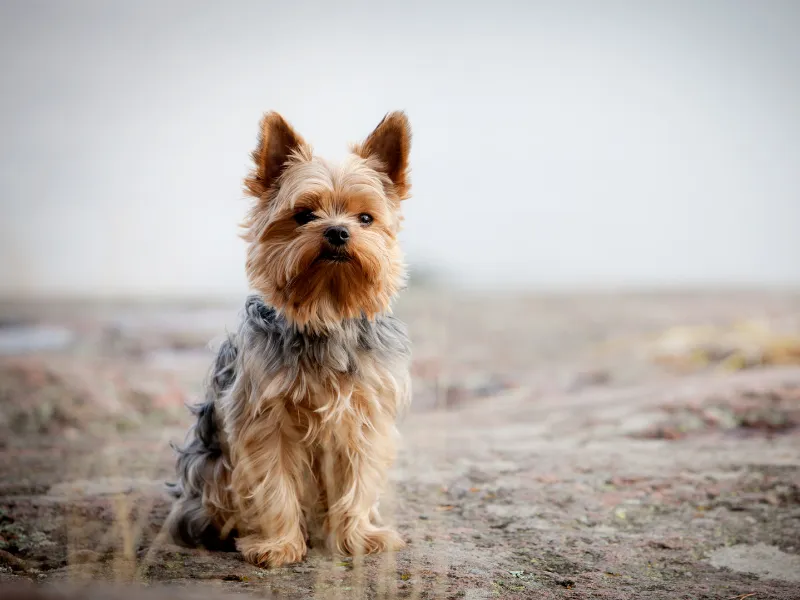


Is This the Right Breed for You?
✔ Excellent Match For
- Those who enjoy grooming and maintaining a beautiful coat
- Apartment dwellers needing a compact but alert watchdog
- Individuals with allergies (they're considered hypoallergenic)
• Ideal for apartments: Tiny size makes them perfect for small living spaces.
• Long lifespan: Often live into their mid-teens with proper care.
• Excellent travel companions: Easy to bring along on trips and adventures.
✖ Consider Carefully If
- You dislike frequent, extensive grooming (daily brushing required)
- You have very young children (fragile and easily injured)
- You prefer a quiet dog (Yorkies can be vocal)
• High grooming needs: Require daily brushing and regular professional grooming.
• Fragile health: Prone to dental issues, hypoglycemia, and patellar luxation.
• Can be stubborn: Terrier independence requires patient, consistent training.
Owner Suitability
Yorkshire Terriers are small but feisty, intelligent, and surprisingly brave. Their long coat requires daily brushing. Housebreaking can be challenging due to their small bladders and stubbornness. They bond intensely with owners and may develop separation anxiety. With proper socialization, they make wonderful pets, though their fragility suits homes with older children or adults only.Stats:
- Height: 7-8 inches
- Weight: 4-7 pounds
- Coat: Long, silky, and straight
- Colors: Blue and tan, black and tan
- Lifespan: 13-16 years
Their 'hypoallergenic' coats and sharp watchdog instincts add to their appeal. Their small size and beautiful coat made them popular show dogs.
Origin & History
The Yorkshire Terrier originated in 19th century England, specifically in Yorkshire, where they were bred by working men to catch rats in textile mills.
Beneath their luxurious, floor-length coats—glossy steel-blue and golden-tan—Yorkshire Terriers harbor the fearless spirit of their working-class roots. These petite dynamos, weighing no more than seven pounds, began as tenacious ratters in mines and mills before ascending to Victorian laps as adored companions. But don't mistake their elegance for fragility: Yorkies are bold, opinionated, and brimming with terrier tenacity.
Compact yet commanding, they carry a "big-dog" attitude in a toy-sized package, making them darlings of city dwellers worldwide. Lively, long-lived, and endlessly entertaining, Yorkies are the ultimate "personality breed," offering decades of laughter, loyalty, and unforgettable companionship.
Today, Yorkies remain one of the most popular toy breeds worldwide, known for their big personalities in small packages and their elegant, silky coats. Grouped in the hypo-allergenic category of dogs as their human-like hair sheds very little.
| Traits: | 1 | 2 | 3 | 4 | 5 |
|---|---|---|---|---|---|
| Energy: High; lively and energetic despite small size. | ✓ | ||||
| Easy To Train: Intelligent but can be stubborn; responds well to positive reinforcement. | ✓ | ||||
| Shedding: Low; silky hair releases minimal fur. | ✓ | ||||
| Grooming: High maintenance; requires daily brushing and regular professional grooming. | ✓ | ||||
| Family Dog: Good with older children; may be too fragile for toddlers. | ✓ | ||||
| Watchdog: Excellent; very alert and vocal. | ✓ | ||||
| Beginner Friendly: Good for dedicated owners willing to handle grooming needs. | ✓ | ||||
| Prey Drive: Moderate; retains terrier instincts to chase small animals. | ✓ | ||||
| Barking: Frequent; tends to be vocal about everything. | ✓ | ||||
| Good with other dogs: Sometimes, if socialized early; their bold, territorial nature and small size may lead to conflicts. | ✓ |
Health Considerations
- Patellar Luxation: Slipping kneecaps common in small breeds
- Dental Issues: Prone to tooth decay and gum disease
- Hypoglycemia: Low blood sugar, especially in puppies
- Tracheal Collapse: Weakness in windpipe structure
- Portosystemic Shunt: Liver circulation abnormality
- Eye Problems: Including cataracts and dry eye
Please check the Canine Health Information Center (CHIC) and parent breed clubs for health information.
Glossary of general canine health conditions.