Boxer
AKC & CKC Working Group


Is This the Right Breed for You?
✔ Excellent Match For
- Active families who enjoy outdoor activities and playtime
- People who appreciate goofy, clown-like personalities in dogs
- Those wanting a protective yet playful family companion
- Owners who can handle a large, energetic dog with puppy-like energy
• Excellent with children: Patient, protective, and playful family dogs.
• Low grooming needs: Short coat requires minimal maintenance.
• Highly trainable: Eager to please and respond well to positive methods.
✖ Consider Carefully If
- You prefer a calm, low-energy dog (Boxers are energetic well into adulthood)
- You dislike drooling or snoring (both are common with Boxers)
- You have limited time for exercise and training
- You live in a hot climate (they're sensitive to heat)
• High exercise needs: Require daily vigorous exercise to prevent boredom.
• Health concerns: Prone to heart issues, cancer, and hip dysplasia.
• Mildly Brachycephalic .
Owner Suitability
Boxers are perpetual puppies at heart—they maintain their playful, energetic personalities well into adulthood. They thrive in active households where they can be included in family activities. Their protective instincts are balanced by their natural affection, making them excellent family dogs. However, they're prone to several serious health issues, particularly heart conditions and cancer, so prospective owners should be prepared for potential veterinary expenses. Boxers are sensitive to heat and require careful management in warm weather. With proper training, socialization, and exercise, they're incredibly loyal, entertaining companions who will keep you laughing with their antics and warm your heart with their devotion.Stats:
- Height: 21-25 inches
- Weight: 50-80 pounds
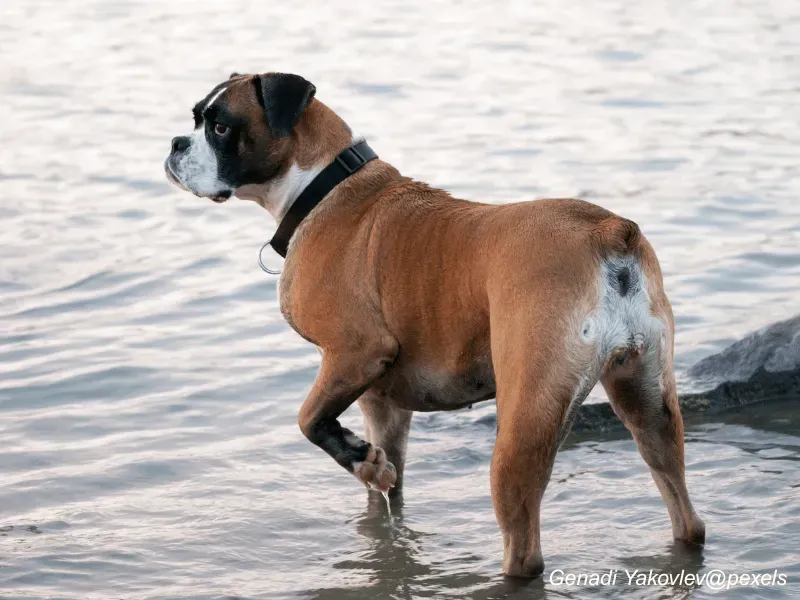
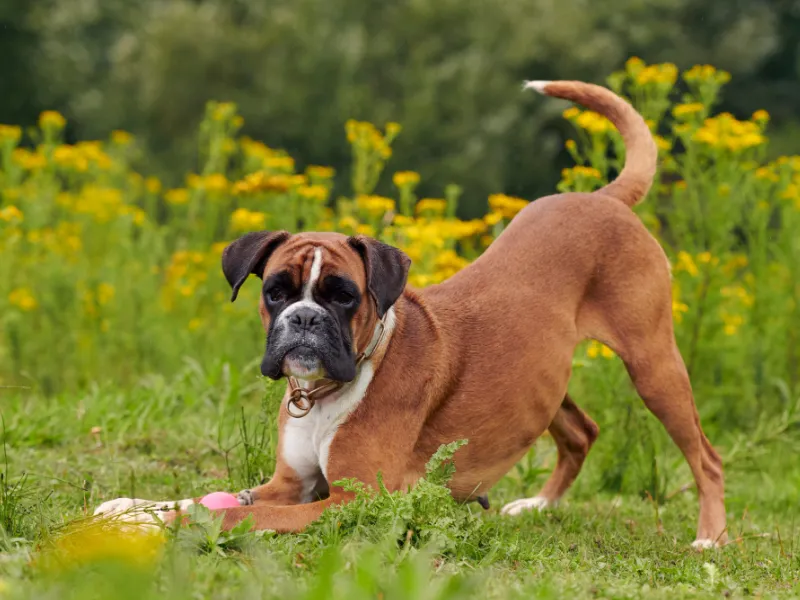
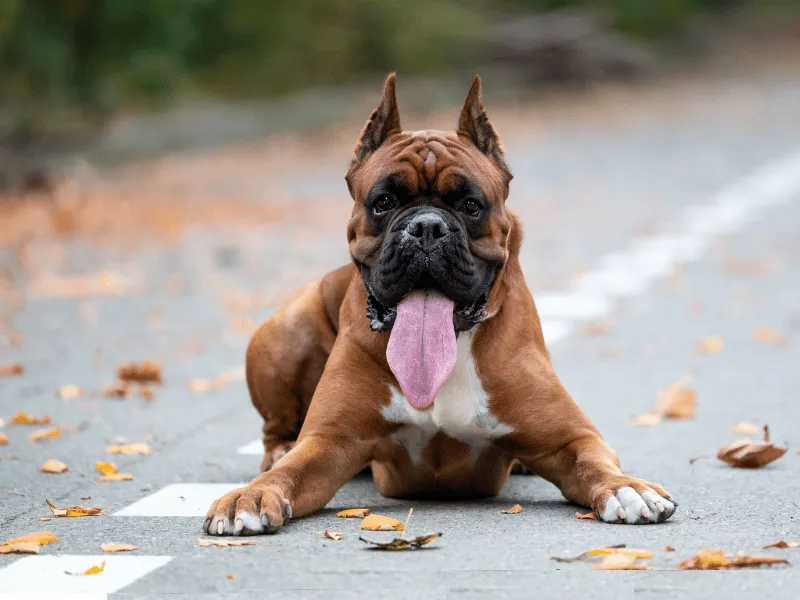
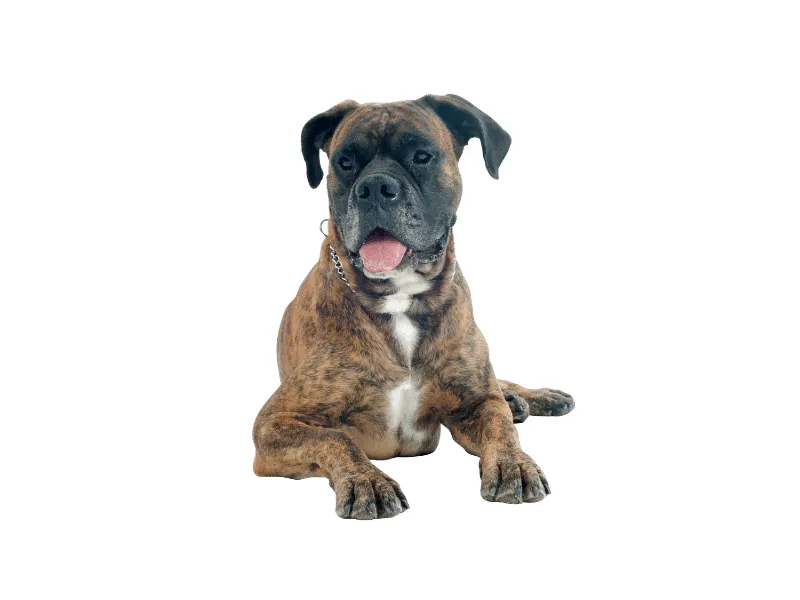
- Coat: Short, smooth, and tight-fitting
- Colors: Fawn or brindle, often with white markings
- Lifespan: 10-12 years
Origin & History
The Boxer originated in Germany in the late 19th century, developed from the now-extinct Bullenbeisser (a mastiff-type dog) and Bulldogs. They were originally bred as hunting dogs for large game like boar and bear, later serving as cattle dogs and butcher's helpers.
Their name comes from their characteristic "boxing" motion when playing. Boxers gained popularity as military dogs during World War I, serving as messengers, pack carriers, and guard dogs.
Today, Boxers are beloved family companions known for their playful, energetic personalities and strong protective instincts.
| Traits: | 1 | 2 | 3 | 4 | 5 |
|---|---|---|---|---|---|
| Energy: High energy; needs vigorous daily exercise and playtime | ✓ | ||||
| Easy To Train: Intelligent and eager to please but can be stubborn | ✓ | ||||
| Shedding: Low; short, smooth coat releases minimal fur. | ✓ | ||||
| Grooming: Low maintenance; weekly brushing and occasional baths | ✓ | ||||
| Family Dog: Excellent with children; playful and protective | ✓ | ||||
| Watchdog: Excellent natural guardian; protective without aggression | ✓ | ||||
| Beginner Friendly: Good for active owners willing to commit to training | ✓ | ||||
| Prey Drive: Moderate; may chase small animals | ✓ | ||||
| Barking: Alert barker; will sound the alarm at anything unusual | ✓ | ||||
| Good with other dogs: Good; playful and friendly; socialize early. | ✓ |
Health Concerns:
- Boxer Cardiomyopathy: Breed-specific heart condition
- Hip Dysplasia: Common in medium-large breeds
- Bloat (GDV): Life-threatening emergency
- Degenerative Myelopathy: Progressive spinal cord disease
- Brachycephalic Syndrome: Breathing issues due to short muzzle
Please check the Canine Health Information Center (CHIC) and parent breed clubs for health information.
Glossary of general canine health conditions.