What Are Brachycephalic Dogs?
Brachycephalic (from Greek: "short head") refers to dog breeds with shortened skulls and flat faces. While these features give them their distinctive "cute" appearance, they come with significant health challenges that every owner should understand.
⚠️ Important Health Notice
Brachycephalic breeds require special care and consideration. Their unique anatomy makes them prone to serious health issues that can affect their quality of life.
Common Brachycephalic Breeds
↓ Skip directly to Health Challenges & Risks
French Bulldog
Extremely popular but high-risk for breathing issues

Pug
Classic flat-faced companion with multiple health concerns

Bulldog
Severe breathing problems common
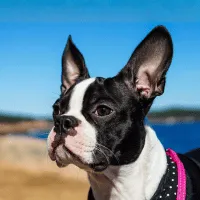
Boston Terrier
Moderate brachycephalic features

Boxer
Less extreme but still affected

Shih Tzu
Mild to moderate breathing issues
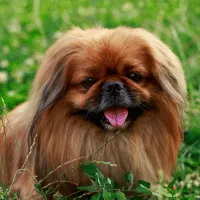
Pekingese
Severely flat-faced ancient breed
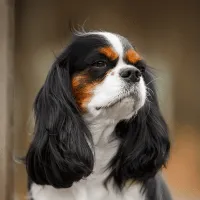
Cavalier King Charles Spaniel
Mild brachycephalic features

Japanese Chin
Ancient toy breed with moderate brachycephalic features

Brussels Griffon
Small companion with significant breathing challenges

Affenpinscher
Monkey-faced terrier with brachycephalic concerns
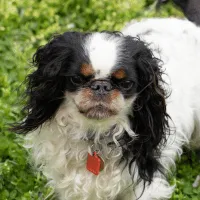
English Toy Spaniel
Royal companion with flat-faced features

Tibetan Spaniel
Ancient breed with mild brachycephalic traits

Lhasa Apso
Tibetan guardian with moderate breathing considerations
Health Challenges & Risks
Heat Intolerance & Exercise Limitations
Brachycephalic dogs cannot pant effectively, making them extremely vulnerable to heat stroke. Even mild temperatures can be dangerous.
Brachycephalic Airway Syndrome
This umbrella term includes several anatomical issues that restrict breathing:
Additional Health Concerns
- Dental Issues: Crowded teeth due to shortened jaw
- Eye Problems: Proptosis (eye displacement), dry eye, corneal ulcers
- Skin Fold Infections: Moisture and bacteria trapped in facial folds
- Spinal Issues: Some breeds prone to intervertebral disc disease
- Birthing Difficulties: Most require cesarean sections
Essential Care Guidelines
Heat & Exercise Safety
- Never exercise in heat: Limit activity when temperatures exceed 70°F (21°C)
- Short, frequent walks: Avoid long or strenuous exercise
- Always provide cool water: Hydration is critical
- Use air conditioning: Essential in warm climates
- Watch for warning signs: Heavy panting, blue gums, collapse
Daily Care & Management
- Use harnesses, not collars: Collars restrict already compromised airways
- Maintain healthy weight: Extra weight severely impacts breathing
- Clean skin folds daily: Prevent infections in facial wrinkles
- Regular dental care: Crucial due to crowded teeth
- Eye protection: Use dog goggles for windy or sunny conditions
Surgical Options
Many brachycephalic dogs benefit from corrective surgery:
- Nares Resection: Widening of nostrils
- Soft Palate Resection: Trimming excess palate tissue
- Laryngeal Saccule Removal: Removing obstructing tissue
Consult with a veterinarian experienced in brachycephalic surgery for evaluation.
Making an Informed Decision
While brachycephalic breeds can be wonderful companions, potential owners should be prepared for:
- Higher veterinary costs and potential surgeries
- Lifestyle adjustments (limited exercise, climate control)
- Constant vigilance for breathing difficulties
- Shorter average lifespan in some severe cases
💡 Responsible Ownership Tips
- Choose breeders who prioritize health over extreme features
- Consider adoption - many brachycephalic dogs need homes
- Invest in pet insurance early
- Build a relationship with a vet experienced with flat-faced breeds
- Educate yourself about breed-specific first aid
Knowledge is the key to providing the best care for your flat-faced companion.