Russian Tsvetnaya Bolonka
AKC Toy Group
Recognized in 2026
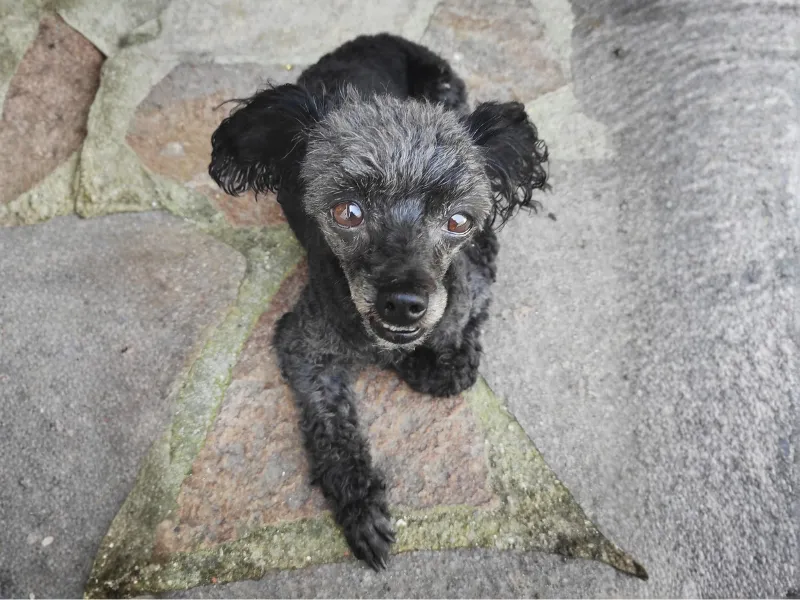
Is This the Right Breed for You?
✔ Excellent Match For
- Apartment dwellers seeking a small, adaptable companion
- Owners who appreciate a playful, affectionate lap dog
- Those looking for a low-shedding, hypoallergenic breed
• Excellent companion: thrives on human companionship and affection.
• Low exercise needs: short walks and indoor play satisfy them.
• Highly adaptable: does well in apartments and various living situations.
• Minimal shedding: ideal for allergy sufferers.
✖ Consider Carefully If
- You're away from home frequently (they suffer from separation anxiety)
- You prefer a low-maintenance coat (regular grooming is essential)
- You have very young children who may be too rough
• Grooming intensive: requires regular brushing and professional grooming.
• Vocal breed: alert barkers who may bark at unfamiliar noises.
• Prone to separation anxiety: needs companionship throughout the day.
• Can be stubborn: consistent training is important.
Owner Suitability
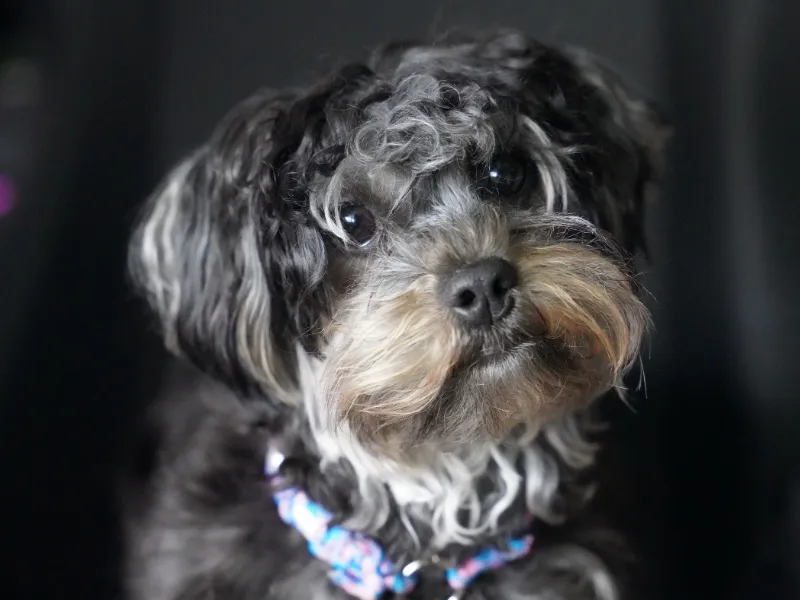
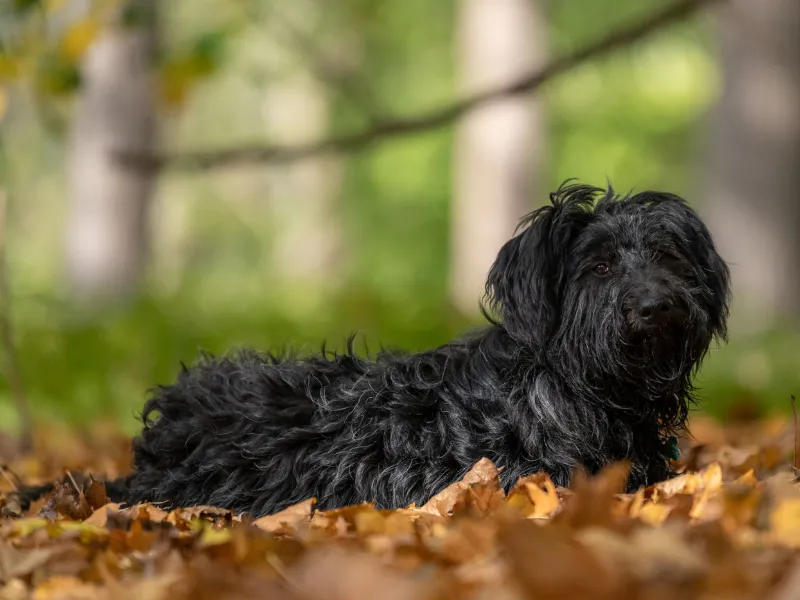
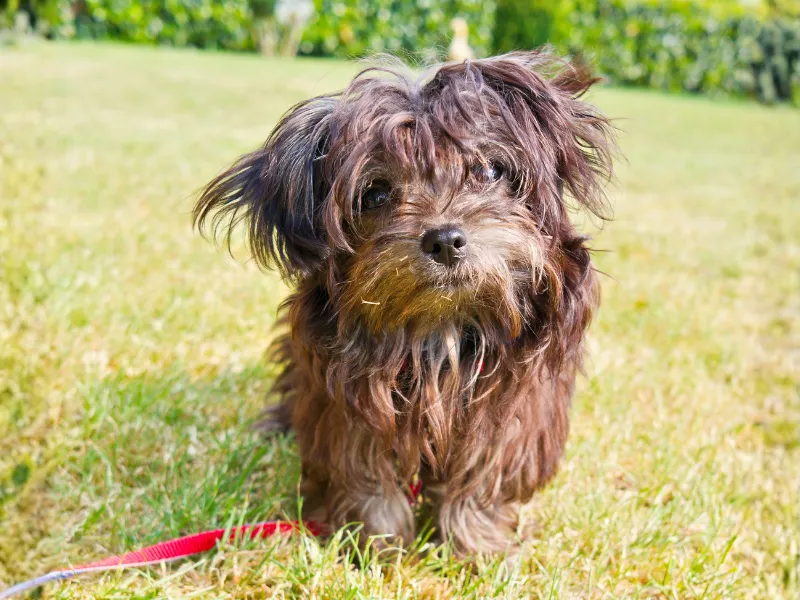
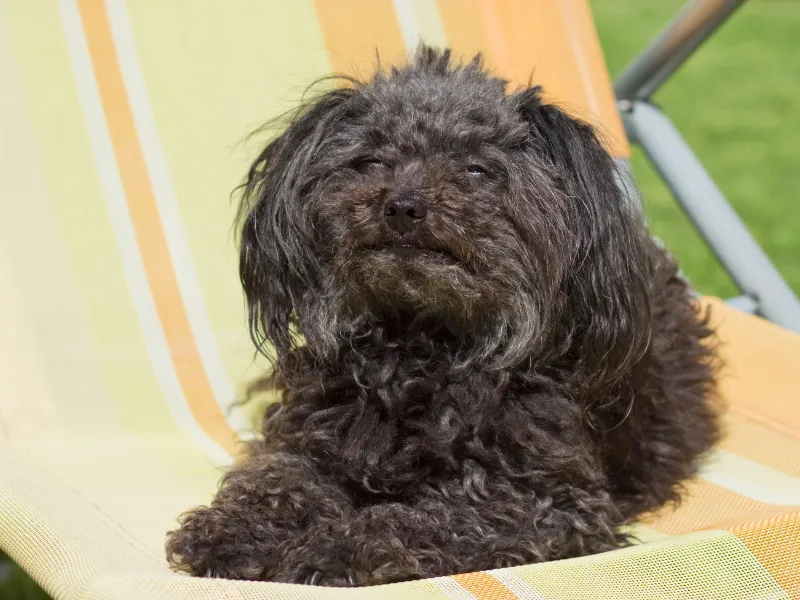
The Russian Tsvetnaya Bolonka is a charming, playful companion perfect for individuals or families seeking a small, affectionate lap dog. Their adaptable nature and low-shedding coat make them ideal for apartment living, but prospective owners must accept their grooming needs, tendency to bark, and requirement for constant companionship. Best suited for those who can provide plenty of attention and regular grooming.Stats:
- Height: 9-10 inches
- Weight: 6-11 pounds
- Coat: Wavy or curly, soft and dense
- Colors: Any color or combination (black, brown, grey, cream, red)
- Lifespan: 12-16 years
Note: Russian Tsvetnaya Bolonka requires regular grooming to prevent matting. They are considered hypoallergenic and are excellent companions for allergy sufferers.
Origin & History
The Russian Tsvetnaya Bolonka, also known simply as the Bolonka, originated in Russia during the 18th century. The breed was developed by crossing various small companion dogs, including the French Bichon and other European lapdogs, to create a hardy, affectionate companion capable of withstanding Russia's harsh climate.
"Tsvetnaya" means "colored" in Russian, distinguishing this breed from the all-white Bolonka varieties. These charming dogs were favorites of Russian nobility and artists, prized for their cheerful disposition and striking appearance.
Today, the Russian Tsvetnaya Bolonka remains a beloved companion breed worldwide, cherished for its playful personality, adaptability, and low-shedding coat. They continue to excel as therapy dogs and devoted family pets.
| Traits: | 1 | 2 | 3 | 4 | 5 |
|---|---|---|---|---|---|
| Energy: Moderate; playful but content with short walks and indoor play | ✓ | ||||
| Easy To Train: Intelligent but can be stubborn; responds to positive reinforcement | ✓ | ||||
| Shedding: Very low; considered hypoallergenic | ✓ | ||||
| Grooming: High maintenance; requires regular brushing and professional grooming | ✓ | ||||
| Family Dog: Excellent with families; affectionate and playful | ✓ | ||||
| Watchdog: Alert and vocal; good little watchdogs | ✓ | ||||
| Beginner Friendly: Good choice for first-time dog owners | ✓ | ||||
| Prey Drive: Low; primarily a companion breed | ✓ | ||||
| Barking: Moderate to high; alert barkers | ✓ | ||||
| Good with other dogs: Generally good; enjoys canine companionship | ✓ |
Health Concerns:
- Patellar Luxation: Kneecap dislocation common in small breeds
- Progressive Retinal Atrophy (PRA): Inherited eye condition
Please check the Canine Health Information Center (CHIC) and parent breed clubs for health information.
Glossary of general canine health conditions.