

Is This the Right Breed for You?
✔ Excellent Match For
- Owners who want a highly intelligent, trainable companion in a tiny package
- People who enjoy training games, trick work, and mental enrichment
- Apartment dwellers who can provide daily walks and interactive play
• Fast learners: thrive with positive reinforcement and routine.
• Low-shedding coat: often a good choice for many allergy-sensitive homes (though no dog is truly hypoallergenic).
• Social and people-focused: happiest when included in daily life.
✖ Consider Carefully If
- You want a “wash-and-wear” dog (regular grooming is part of Toy Poodle life)
- You have very rough play in the home (tiny dogs need careful handling)
- You prefer a low-training breed (they’re smart—boredom can create nuisance habits)
• Grooming needs: brushing + professional trims keep mats away.
• House-training may take consistency (small bladders need routine).
• Alert barking can happen without training and enrichment.
Owner Suitability
“Toy Poodles thrive with owners who enjoy training and don’t mind regular grooming. They’re bright, affectionate, and adaptable, but they need daily mental stimulation and a consistent routine. If you want a tiny companion that learns fast and loves being involved, the Toy Poodle is an excellent match.”Stats:
- Height: Under 10 inches
- Weight: 4–6 pounds
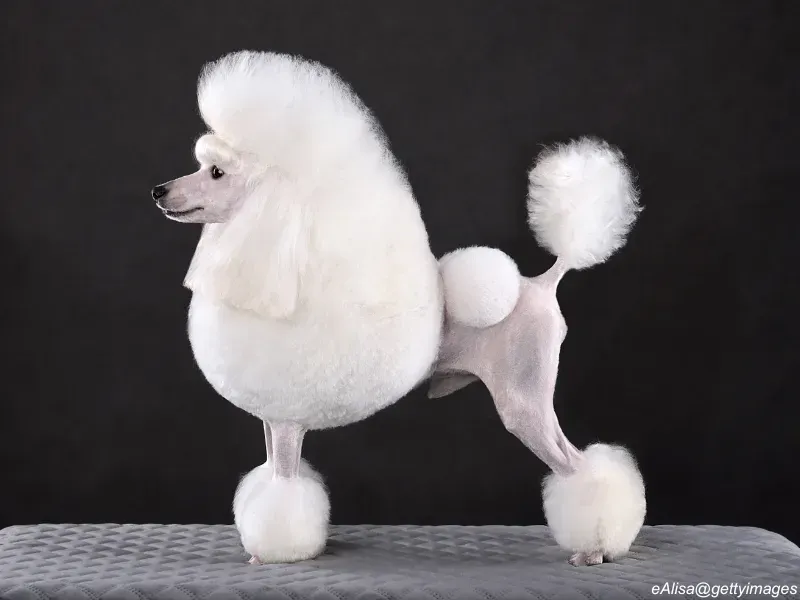
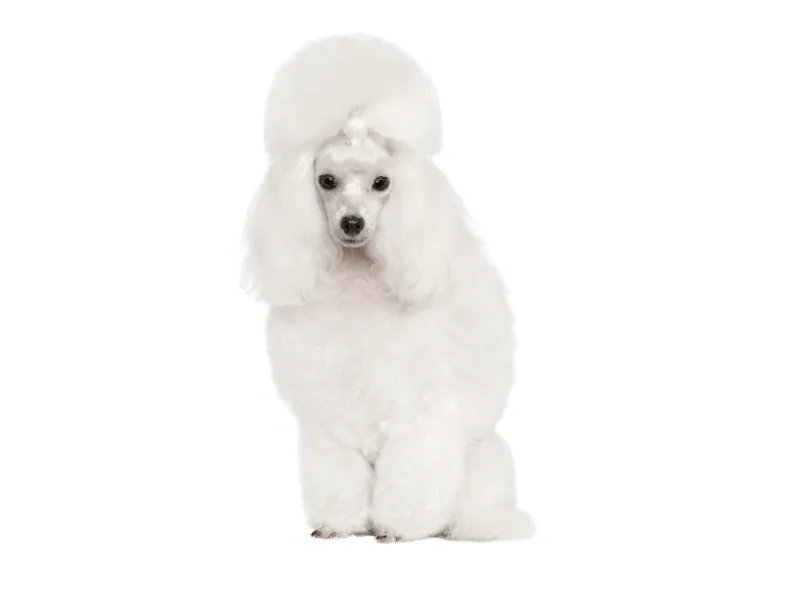
- Coat: Curly, dense coat (low-shedding; requires routine grooming)
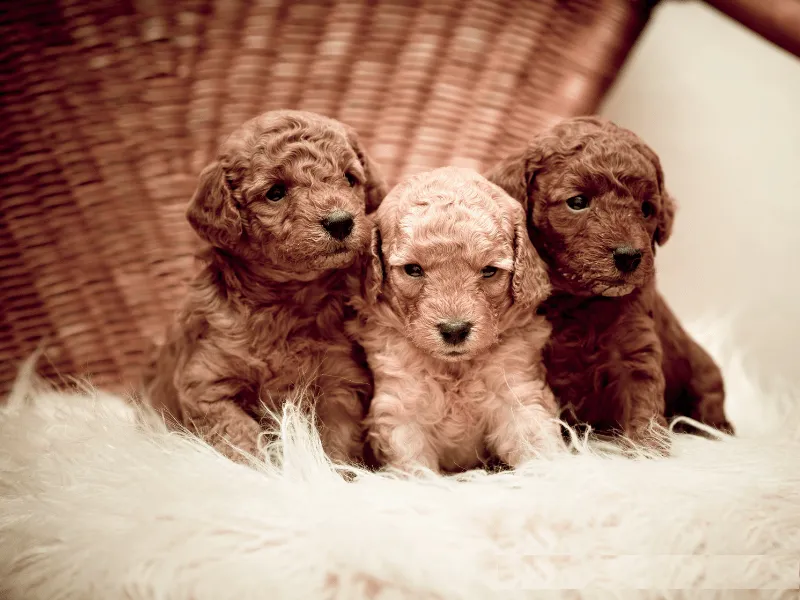
- Colors: Many colors (black, white, apricot, red, silver, blue, brown, and more)
- Lifespan: 10–18 years
Care note: Plan for brushing at home and professional grooming every few weeks to prevent mats and keep the coat comfortable.
Origin & History
Poodles were originally developed as water retrievers in Europe and became famous for intelligence and trainability. Over time, smaller sizes were bred to create companions that kept the same athleticism and sharp minds in a more portable form.
The Toy Poodle became especially popular as a companion in fashionable circles, valued for elegance, personality, and the ability to learn complex tricks and routines.
Today, Toy Poodles remain one of the most trainable toy breeds. They often excel in obedience, rally, tricks, and even agility (with appropriately sized equipment), making them a great match for owners who want an interactive small dog.
| Traits: | 1 | 2 | 3 | 4 | 5 |
|---|---|---|---|---|---|
| Energy: Moderate; enjoys playtime but adapts well | ✓ | ||||
| Easy To Train: Extremely intelligent and eager to please | ✓ | ||||
| Shedding: Minimal shedders; curly, hypoallergenic coat traps loose fur. | ✓ | ||||
| Grooming: High maintenance; regular clipping needed | ✓ | ||||
| Family Dog: Excellent with children when properly socialized | ✓ | ||||
| Watchdog: Good; will alert bark | ✓ | ||||
| Beginner Friendly: Good for first-time owners | ✓ | ||||
| Prey Drive: Moderate; may chase small animals | ✓ | ||||
| Barking: Can be vocal if not trained | ✓ | ||||
| Good with other dogs: Can adapt to multi-dog homes with proper socialization. | ✓ |
Health Concerns:
- Patellar Luxation: Common in small breeds
- Legg-Calvé-Perthes: Hip joint disorder
- Progressive Retinal Atrophy: Eye condition
- Epilepsy: Seizure disorder
- Sebaceous Adenitis: Skin condition
- Epilepsy: Higher incidence than many breeds
- Thyroid Issues: Both hypo- and hyperthyroidism
- Von Willebrand's Disease: Blood clotting disorder
Please check the Canine Health Information Center (CHIC) and parent breed clubs for health information.
Glossary of general canine health conditions.