Greater Swiss Mountain Dog
The Swiss Giant
AKC & CKC Working Group
Is This the Right Breed for You?
✔ Excellent Match For
- Families with space who want a calm, gentle "Swiss giant" companion
- Experienced dog owners who appreciate a loyal, trainable working breed
- Homes seeking a devoted companion with moderate exercise needs
• Gentle nature: famously patient and affectionate with children
• Moderate energy: enjoys walks but is often relaxed indoors
• Loyal temperament: forms deep bonds and thrives as a family member
✖ Consider Carefully If
- You have limited space or live in a small apartment
- You're on a tight budget (food, vet care, and supplies are expensive)
- You want a low-shedding dog (their dense coat sheds year-round)
• Space requirements: needs room to move and a securely fenced yard
• Cost considerations: everything from food to crates is giant-sized
• Health concerns: prone to hip dysplasia, bloat, and joint issues
Owner Suitability
The Greater Swiss Mountain Dog is a magnificent, gentle giant that requires specific ownership considerations. While loyal and affectionate, their size and strength bring unique challenges. Success depends on proper training, early socialization, and commitment to their health and grooming needs.Stats:
- Height: 24-29 inches
- Weight: 85-140 pounds
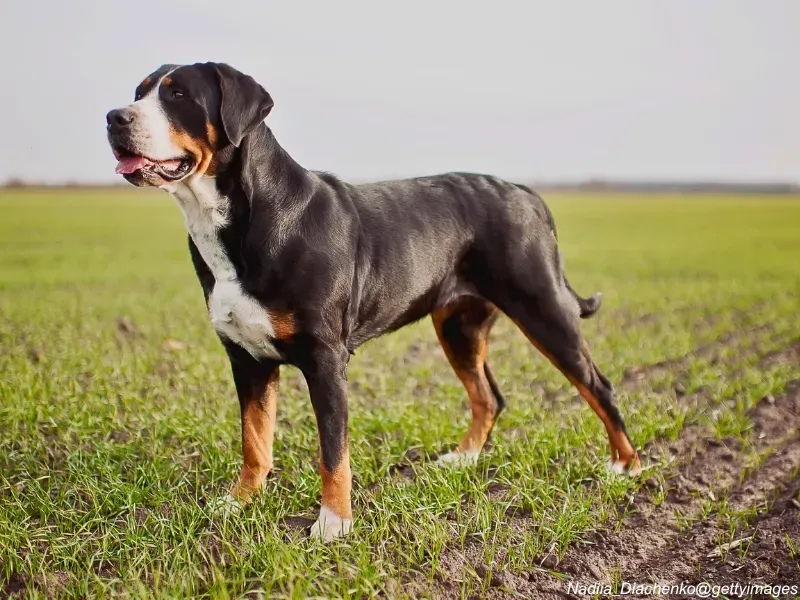
- Coat: Short, dense double coat with thick undercoat
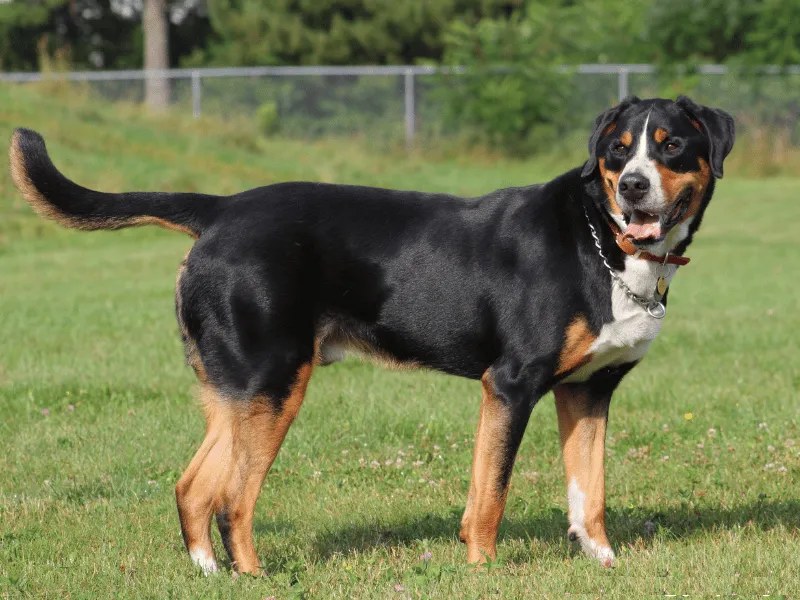
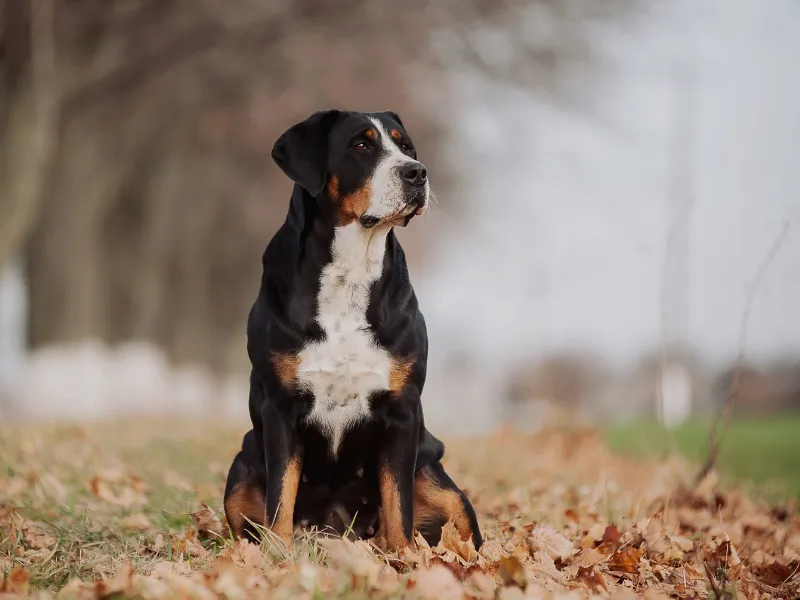
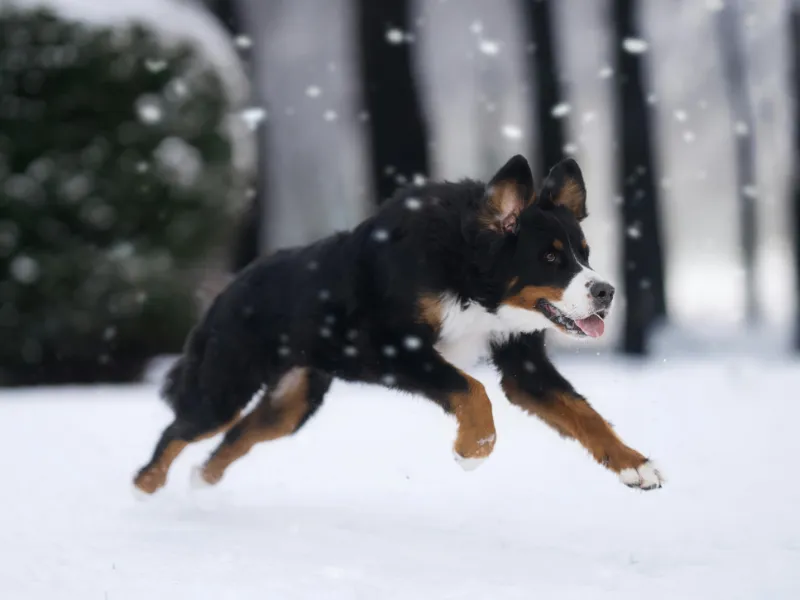
- Colors: Black with rich rust and white markings
- Lifespan: 8-11 years
Origin & History
The Greater Swiss Mountain Dog is the oldest and largest of the four Swiss mountain dog breeds, along with the Appenzeller Sennenhund, Bernese Mountain Dog, and Entlebucher Mountain Dog. Dating back over 2,000 years to Roman mastiffs brought to Switzerland, they were developed as all-purpose farm dogs in the Swiss Alps.
- Oldest and largest of the four Swiss mountain dog breeds
- Used for drafting, herding, and guarding on Swiss farms
- Nearly vanished by the late 19th century
- Rediscovered in 1908 by Swiss breed enthusiast Albert Heim
Today, while still capable working dogs, most Swissies serve as devoted family companions, maintaining their calm temperament and striking tri-color coat. As the original Swiss mountain dog, the Greater Swiss remains a symbol of Swiss agricultural heritage while forming deep bonds with their human families.
| Traits: | 1 | 2 | 3 | 4 | 5 |
|---|---|---|---|---|---|
| Energy: Needs regular exercise but not hyperactive | ✓ | ||||
| Easy To Train: Intelligent and eager to please; responds well to training | ✓ | ||||
| Shedding: Dense double coat sheds consistently | ✓ | ||||
| Grooming: Low maintenance; weekly brushing and seasonal shedding control | ✓ | ||||
| Family Dog: Excellent with families; gentle and patient with children | ✓ | ||||
| Watchdog: Excellent; naturally protective without aggression | ✓ | ||||
| Beginner Friendly: Good for dedicated first-time owners | ✓ | ||||
| Prey Drive: Low to moderate; generally good with other pets | ✓ | ||||
| Barking: Moderate; will alert to unusual activity | ✓ | ||||
| Good with other dogs: Gentle, but may herd | ✓ |
Health Concerns:
- Hip/Elbow Dysplasia: Common joint issues in large breeds
- Bloat (GDV): Life-threatening stomach torsion
- Epilepsy: Seizure disorder
- Splenic Torsion: Spleen-related emergency
- Eye Conditions: Including entropion and distichiasis
- Shoulder Osteochondrosis: Joint development disorder
Please check the Canine Health Information Center (CHIC) and parent breed clubs for health information.
Glossary of general canine health conditions.